At a Glance
- 2025 becomes one of the three hottest years on record.
- The 3-year temperature average surpassed the 1.5 °C Paris Agreement limit for the first time.
- 157 extreme weather events were recorded, with 22 analyzed in detail, and heat waves 10× more likely than a decade ago.
- Why it matters: Rising temperatures and more frequent extremes threaten lives, economies, and the ability of nations to adapt.
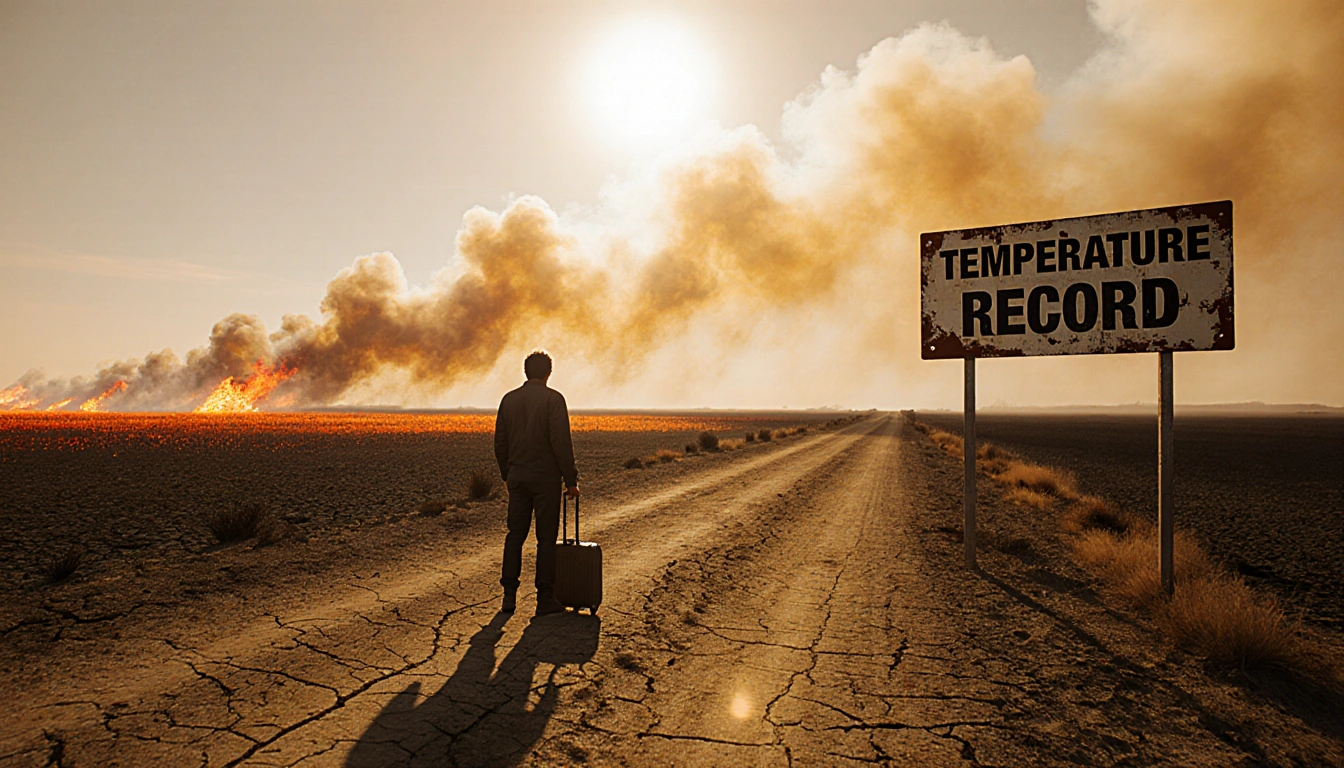
Scientists report that climate change driven by human activity made 2025 one of the three hottest years on record. The World Weather Attribution study shows the 3-year average has crossed the 1.5 °C threshold set by the Paris Agreement. The analysis also highlights 157 extreme events, 22 of which were examined in depth.
2025: A Record-High Year
The year marked the third hottest on record, with global temperatures climbing despite a La Niña cooling influence. WWA researchers noted that continued fossil-fuel combustion is the main driver behind the surge. They warned that without rapid reductions, staying below 1.5 °C will become increasingly difficult.
- Heat waves that killed thousands worldwide.
- Drought-driven wildfires in Greece and Turkey.
- Floods and landslides in Mexico, India, and the Caribbean.
- Typhoon Fung-wong that forced over a million evacuations in the Philippines.
- Hurricane Melissa that intensified too quickly for effective forecasting.
Heat Waves: Deadliest and 10× More Likely
Heat waves were the deadliest of the year, and their frequency rose dramatically. WWA scientists found they are now 10 times more likely than a decade ago, a trend linked to human-induced warming.
Friederike Otto said:
> The heat waves we have observed this year are quite common events in our climate today, but they would have been almost impossible to occur without human-induced climate change. It makes a huge difference.
Other Extreme Events
Droughts fed wildfires that scorched Greece and Turkey. Torrential rains in Mexico caused dozens of deaths and left many missing. Monsoon rains in India triggered floods and landslides, while Hurricane Melissa’s rapid intensification left small island nations overwhelmed.
Global Climate Negotiations Stall
The United Nations talks in Brazil ended without a clear fossil-fuel transition plan, despite increased pledges for adaptation. Nations are at varied stages: China expands renewables but still invests in coal; Europe cites economic growth limits; the U.S. under the Trump administration supports coal, oil, and gas.
- China: Rapid deployment of solar and wind, yet ongoing coal investment.
- Europe: Calls for action but growth concerns.
- United States: Policies favoring fossil fuels.

Friederike Otto added:
> The geopolitical weather is very cloudy this year with a lot of policymakers very clearly making policies for the interest of the fossil fuel industry rather than for the populations of their countries, and we have a huge amount of mis- and disinformation that people have to deal with.
Andrew Kruczkiewicz said:
> Places are seeing disasters they aren’t used to, extreme events are intensifying faster and they are becoming more complex. That requires earlier warnings and new approaches to response and recovery. On a global scale, progress is being made, but we must do more.
Key Takeaways
- 2025’s 3-year average exceeded the 1.5 °C Paris Agreement limit.
- 157 extreme events, 22 analyzed, with heat waves 10× more likely.
- Fossil-fuel emissions must be cut urgently, yet global negotiations remain stalled.
With temperatures climbing and extremes becoming more severe, the window to keep the planet within safe limits is narrowing, underscoring the urgency of decisive action.