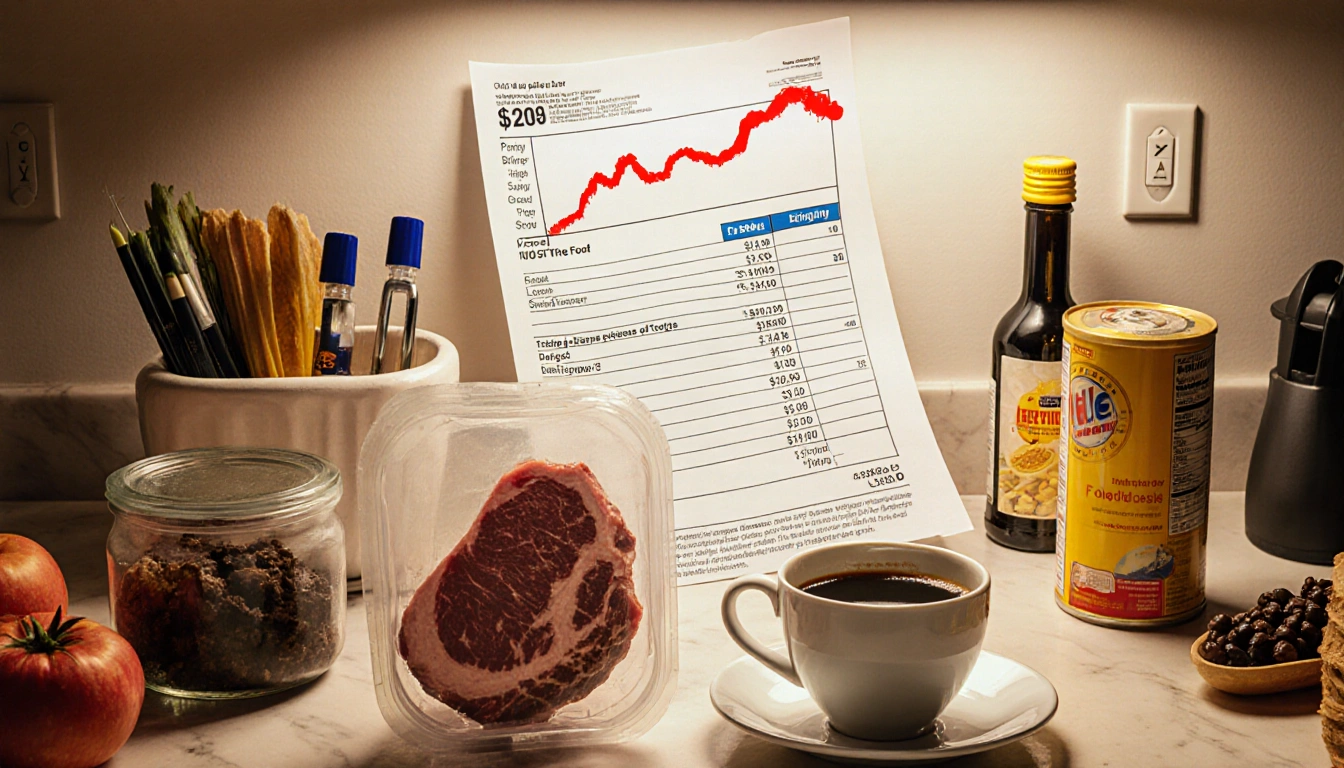
Inflation’s final 2025 numbers surprised many: consumer prices rose 2.7% in November, a better-than-expected pace, yet the picture of affordability remains split. While egg prices have fallen sharply and gas pumps offer relief, electric bills climb and staples such as coffee and beef surge.
Inflation and the Impact of Trump Tariffs
The report highlighted that President Donald Trump’s tariffs added pressure to goods prices, but overall inflation rose less than many economists feared. Businesses had built up inventories ahead of the levies, cushioning the impact. Fed policymakers say the tariff effect will be largely a one-time increase, with Fed Chair Jerome Powell suggesting goods inflation could peak in early 2026.
Food Inflation: A Mixed Outlook for 2026
USDA forecasts indicate food at home prices will rise 2.3% and food away from home 3.3% in 2026, a slowdown from the 3% growth seen since the 11% surge in summer 2022. However, volatility remains high among individual items.
Egg prices, which spiked to $6.23 a dozen during a bird flu outbreak in March, have since fallen to $2.86 as supply improves. Coffee prices are up about 19% from a year ago, driven by weather challenges in major growing countries and Trump tariffs on Brazilian imports. With those tariffs now lifted, World Bank projections expect Arabica and Robusta prices to decline in 2026 as production improves.
Ground beef and veal have climbed more than 15% YoY, and relief does not appear imminent. Derrell Peel, an agricultural economist at Oklahoma State University, told Nexstar: “We don’t have enough cattle, and it takes an extended amount of time to produce more.” Nate Rempe, president and CEO of Omaha Steaks, added: “America is in for a bit of a long haul here, and we won’t really see material downward movement in price until late 2027.”
Power Bills: Rising Electricity and Natural Gas Costs
Electricity prices are up nearly 7% YoY and close to 30% over the past four years, pushing power bills higher for many households. Natural gas piped into homes has also climbed more than 9% from a year earlier.
The increase in utility costs is driven by higher natural gas prices, grid upgrades, and rising electricity demand. Much of the nation’s power grid is due for upgrades, including replacing aging infrastructure and weather-proofing against wildfires. Adding capacity is a priority, partly because of the rapid build-out of energy-hungry data centers.
In 2023, data centers consumed about 4% of total U.S. electricity, a share that could grow to as much as 12% by 2028, according to the Energy Department. Natural gas, the largest source of electricity generation, has also become more expensive, with the U.S. now the largest liquefied natural gas exporter in the world.
Rate increases are already in motion. As of early October, at least 210 U.S. gas and electric utilities had raised rates or proposed increases to take effect within the next two years, according to an analysis from the Center for American Progress and the Natural Resources Defense Council.
Gas Prices: A Forecast for Lower Pump Prices in 2026
Gasoline prices have fallen below $2.90 a gallon nationwide, making December the cheapest month at the pump since the end of 2020, according to AAA. In Oklahoma, Arkansas, Iowa and Colorado, the average is under $2.50.
Lower crude oil costs, strong refinery output and softer seasonal demand have helped drive prices down in recent months, and 2026 could see more of the same. The Energy Information Administration projects global oil inventories rising next year, putting downward pressure on prices.
The agency expects a gallon of regular gasoline to average about $3.00 in 2026, down from $3.11 in 2025 and more than 50 cents lower than in 2023. U.S. crude oil production has kept climbing, rising under both the Biden and Trump administrations and hitting a record 13.84 million barrels per day in September.
Patrick De Haan, head of petroleum analysis at GasBuddy, told a recent Fox Business interview: “The outlook still looks terrific for motorists next year. I do think that 2026 will bring yet another year of a decline in gas prices.”
Key Takeaways
- 2025 inflation rate 2.7% with split affordability; food inflation to slow in 2026.
- Eggs, coffee, and beef remain volatile; beef prices unlikely to drop until 2027.
- Electricity and natural gas costs are rising, but gasoline prices may fall to about $3.00 a gallon in 2026.
Looking ahead, the 2026 economic landscape will feature a mix of easing food prices, continued pressure on power bills, and a potential rebound in gasoline costs. Consumers and businesses alike will need to navigate these divergent trends as the year unfolds.