At a Glance
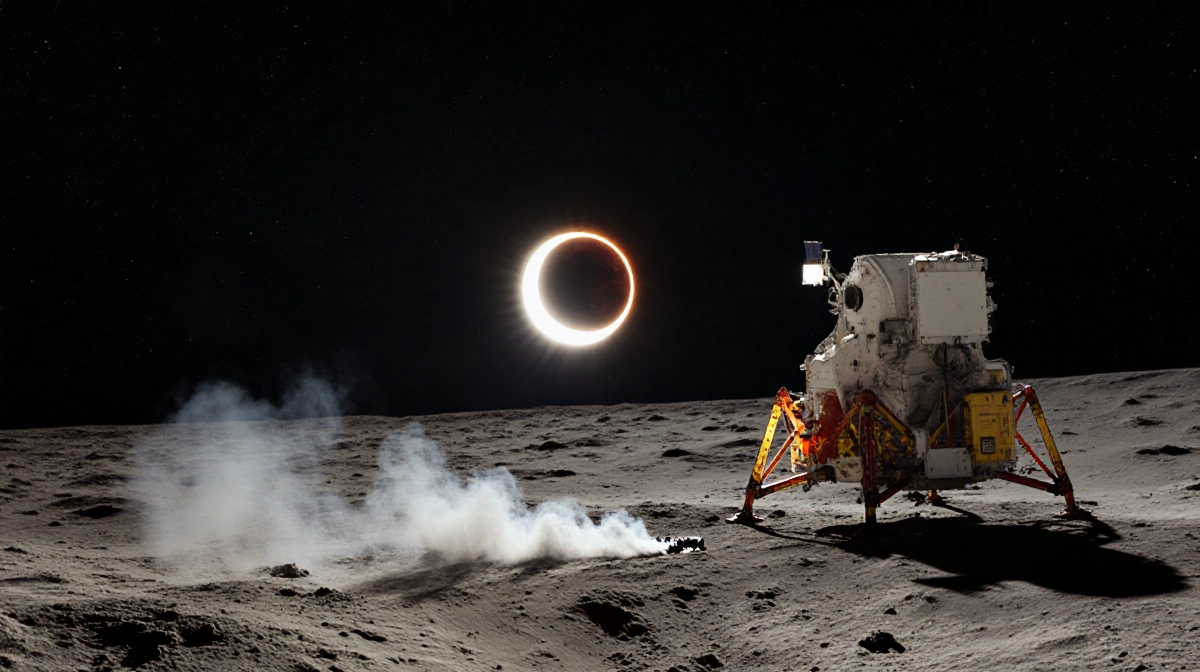
- 2026 will feature the first crewed moon landing in more than 50 years and a suite of robotic missions.
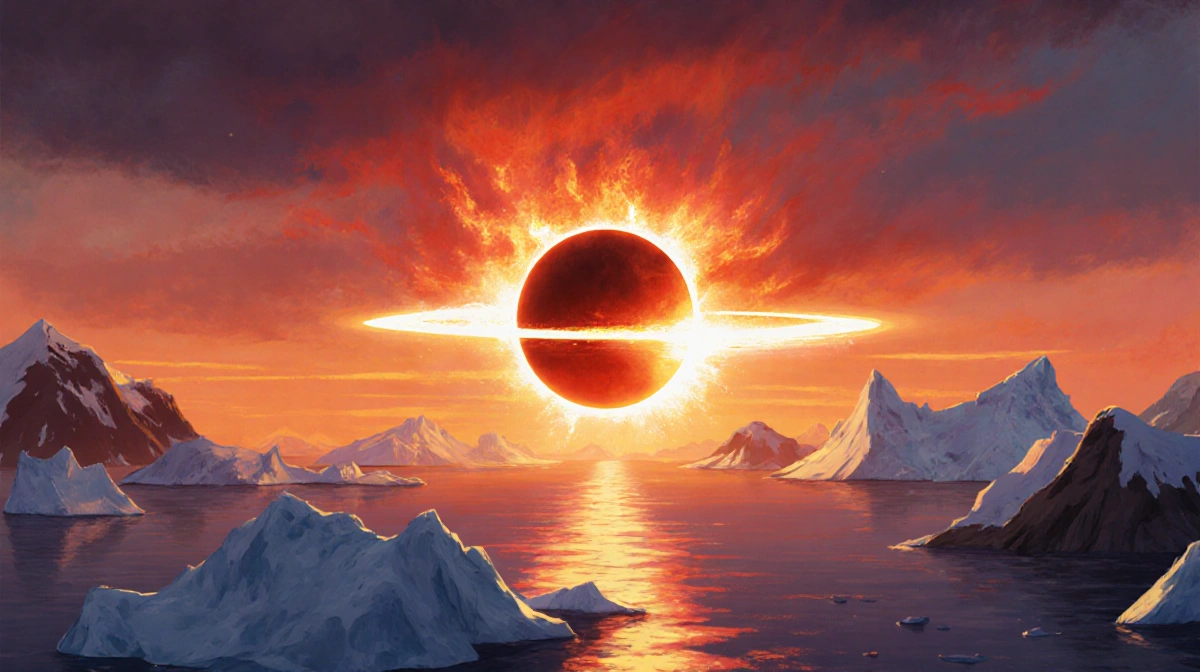
- The Sun will eclipse twice, with a ring-of-fire Feb. 17 and a total solar eclipse Aug. 12.
- Three supermoons, including a Jan. 3 supermoon and a Christmas-Eve supermoon on Dec. 23-24, will light up the night sky.
- Why it matters: These events offer rare viewing opportunities and mark a new era of lunar exploration.
2026 promises a year of spectacular sky shows and historic lunar missions, as NASA, private firms, and China set sights on the moon while the Sun delivers dramatic eclipses and the sky lights up with supermoons and auroras.
Lunar Missions
NASA’s Artemis commander Reid Wiseman says his crew may be first to see large swaths of the far side, a 10-day mission that will fly past the moon, do a U-turn, and return to Earth. No moonwalks are planned; the next crew will do that later. The year also hosts several robotic landings, including:
- Blue Origin’s Blue Moon demo, 26-foot tall, will launch early 2026.
- Astrobotic Technology and Intuitive Machines target 2026 landings with scientific gear.
- Firefly Aerospace aims for the far side in 2026.
- China plans a rover and hopper to the south polar region in 2026.
Solar Events
The Sun will eclipse twice: a ring-of-fire Feb. 17 over Antarctica, and a total solar eclipse Aug. 12 that starts in the Arctic and crosses Greenland, Iceland, and Spain. Totality lasts 2 minutes 18 seconds. Key viewing locations are:
- Ring-of-fire: Antarctica, South Africa, Chile, Argentina.
- Total eclipse: Arctic, Greenland, Iceland, Spain.
Other Celestial Highlights
Three supermoons will grace the sky, with the first on Jan. 3, another on Nov. 24, and the final Christmas-Eve supermoon Dec. 23-24. The table below lists the dates.
| Supermoon | Date |
|---|---|
| First | Jan 3, 2026 |
| Second | Nov 24, 2026 |
| Third | Dec 23-24, 2026 |
The interstellar comet 3I/Atlas faded after its December flyby and will exit the solar system by 2036. Jupiter will visit in March 2026. NASA’s Paul Chodas stated:
> “I can’t believe it’s taken this long to find three.”
Rob Steenburgh said:
> “2026 will be an exciting year for space weather enthusiasts.”
Key Takeaways
- 2026 will feature the first crewed moon landing in over 50 years and multiple robotic missions.
- The Sun will deliver a ring-of-fire Feb. 17 and a total eclipse Aug. 12.
- Three supermoons, including a Christmas-Eve supermoon, will illuminate the night sky.
As 2026 unfolds, the sky will be a theater of exploration and wonder, inviting all to witness history in the heavens.