
At a Glance
- 2026: Trading partners face political fallout from tit-for-tat tariffs.
- Repealing anti-circumvention laws could cut hundreds of billions in US digital-lock rents.
- Targeted strike could hit Tesla and other US tech giants.
- Why it matters: It could lower consumer prices worldwide and reshape global tech competition.
In the 2026 trade war, nations confront a choice: continue using old-world tariffs or leverage a legal tool that could dismantle the digital-lock system that fuels US corporate rents.
The Legal Lever: Anti-Circumvention Laws
The US Trade Representative has pushed most of the world to adopt anticircumvention laws that make it illegal to modify devices without manufacturer permission. These laws have hampered foreign startups that could compete with:
- Apple – jailbreaking kits that install third-party app stores
- Google – tracking blockers on Android
- Amazon – converting Kindle and Audible files for rival apps
- John Deere – disabling third-party repair systems
- Big Three automakers – decoding encrypted error messages for mechanics
Economic Impact of Digital Locks
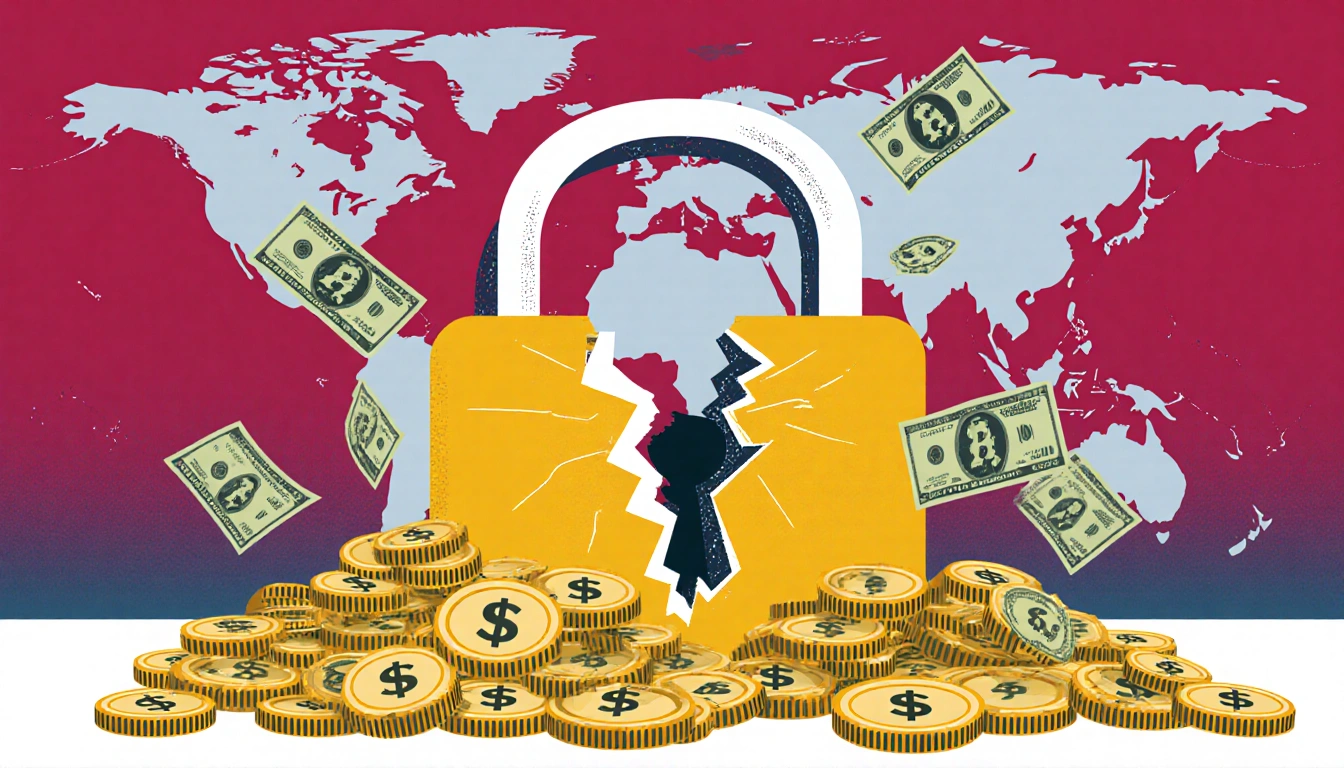
Digital locks allow American companies to extract hundreds of billions in rents each year. If a country repeals these laws, it can transform those rents into hundreds of millions of domestic profits and create consumer surplus worldwide.
| Effect | Value |
|---|---|
| US digital-lock rents | Hundreds of billions |
| Domestic profits after repeal | Hundreds of millions |
Tesla’s Vulnerability
Tesla relies on digital locks to enforce its subscription-based software model. If mechanics worldwide could jailbreak Teslas for a single price, the company’s share price could collapse, undermining the overvalued shares used by Musk to finance acquisitions.
Options for World Leaders
Countries can choose between continuing the 19th-century tariff approach, which hurts consumers more than corporate CEOs, or repealing anti-circumvention laws to reduce digital-lock rents. Potential leaders include:
- Canada and Mexico, both affected by the USMCA and Trump’s rhetoric.
- Denmark, which could guide the EU away from restrictive copyright rules.
- Nigeria, Brazil, and Costa Rica, which have seen US trade agreements renege.
Key Takeaways
- Repealing anticircumvention laws could cut hundreds of billions in US digital-lock rents.
- The move would give domestic tech sectors a boost and create consumer surplus worldwide.
- Tesla and other US tech giants would face the biggest hit.
The 2026 trade war may hinge on whether nations abandon old-world tariffs in favor of a modern legal strike that could reshape global tech competition.