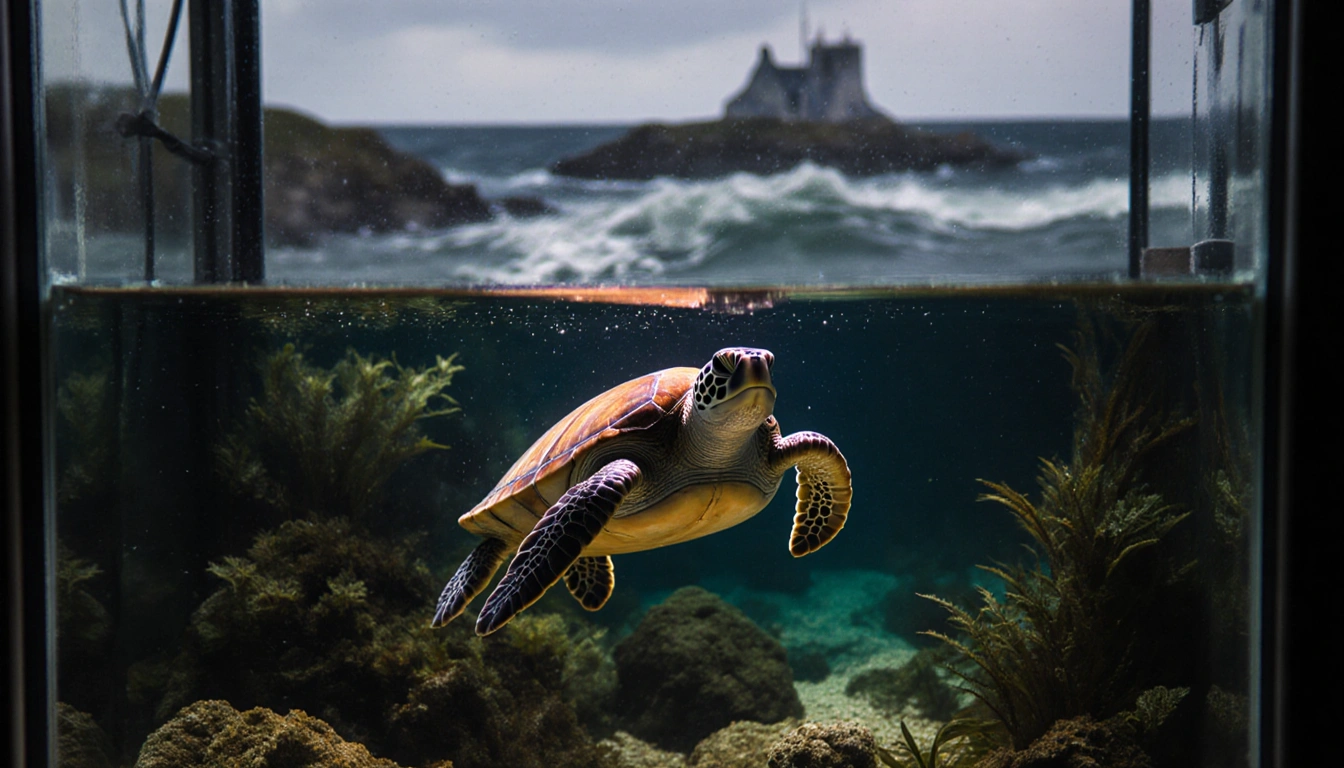
On Dec. 9, 24 endangered Kemp’s ridley sea turtles were brought to a Florida rehab center after a brutal cold snap off Cape Cod left them frostbitten and hypothermic.
The Journey from Cape Cod to Florida
The turtles arrived at the Loggerhead Marinelife Center in Juno Beach, Florida, thanks to the nonprofit organization LightHawk. They are expected to stay until spring, when they’ll be released back into the Atlantic Ocean to head toward New England, said Heather Barron, chief science officer and veterinarian at Loggerhead.
Treating Cold‑Stunned Turtles
Cold stunning, a condition that makes turtles lethargic and immobile in extremely frigid waters, requires antibiotics, fluids and nebulization. “These guys are very critically ill when they get here, and they are undergoing extensive treatment,” Barron said. “They’re getting nebulized where they actually breathe in medicine. That helps their lungs do their job better.”
The New England Aquarium’s staff, working with the National Oceanic and Atmospheric Administration’s Fisheries Service, triaged 472 hypothermic turtles since the phenomenon began on Nov. 7. Most of the 24 turtles were stranded during a strong westerly wind event on Nov. 28, according to Pam Bechtold Snyder, director of marketing and communications for the Boston facility. “They were sent to Florida to make room for more turtles coming in from Cape Cod,” Snyder said.
Naming and Release Plans
When turtles arrive in groups at Loggerhead, the staff gives them names following a theme. “And in this case, it is Greek mythology,” Barron said. “So we have Pandora and Gaia and Persephone and Helios and all those guys.”
Key Takeaways
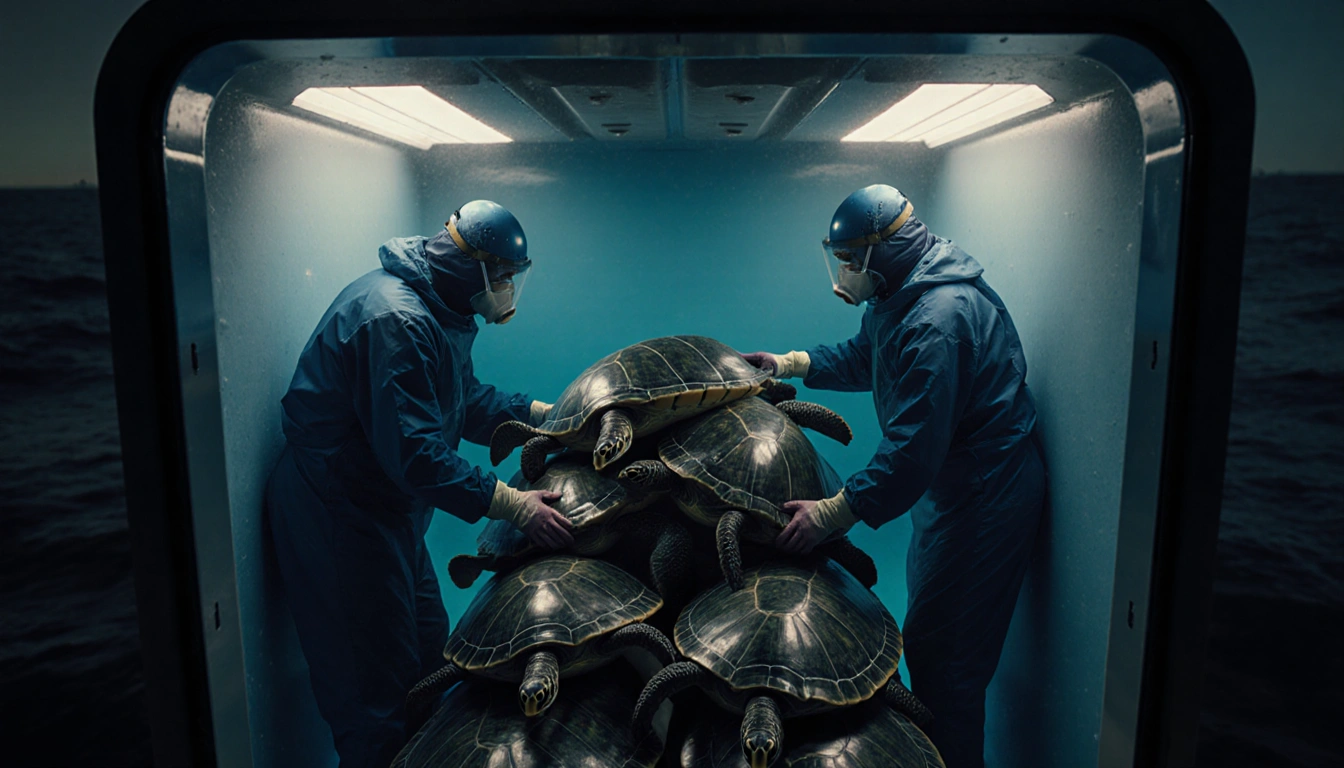
- 24 Kemp’s ridley turtles rescued from Cape Cod’s icy waters are being treated in Florida.
- The turtles suffer from cold stunning and receive antibiotics, fluids, and nebulization.
- They are expected to be released into the Atlantic in spring after recovery.
Frisaro reported from Fort Lauderdale, Florida.