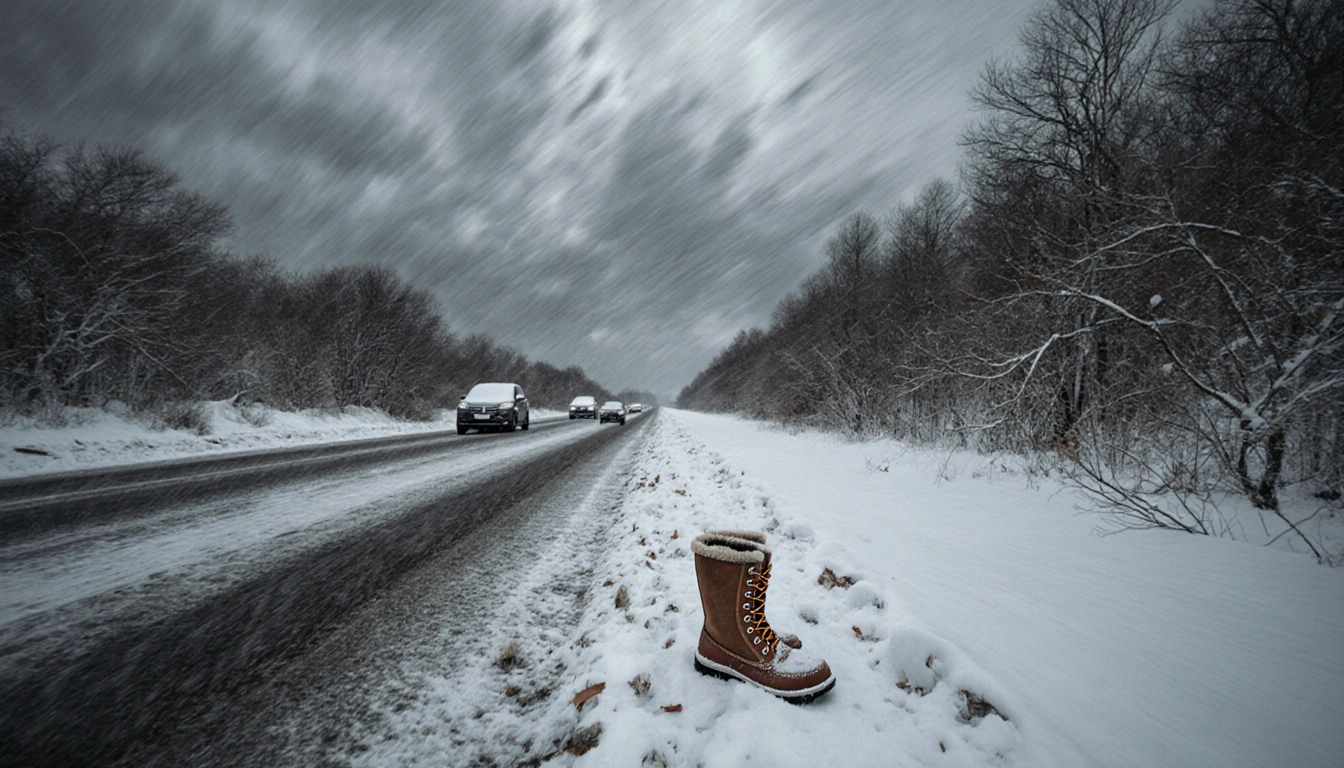
A powerful winter storm that began on Saturday rattled the Midwest and Northeast, pushing temperatures well below zero and dumping heavy snow across the New York‑New Jersey metro area. The storm’s arrival left many travelers stranded, caused widespread airport delays, and forced roads to become slick and treacherous.
Midwest and Northeast Hit by Winter Storm
The blizzard kicked off Saturday, delivering several inches of snow to the New York‑New Jersey region—its first significant snowfall of the season. Light snow drifted over parts of New England, creating a layered white blanket that contrasted sharply with the sudden drop in temperatures.
Arctic Conditions Loom
Meteorologists warned that the storm would weaken by Sunday night, but an arctic surge would follow, bringing overnight windchill temperatures at or plummeting below zero degrees (-18 C). The forecast called for a harsh, wind‑chill‑laden night across the Midwest.
Roads Grapple with Chaos
In New Jersey, crews and contractors worked around the clock to plow and treat roads. The state Department of Transportation urged residents to avoid unnecessary travel, while the New York City Department of Sanitation posted updates on salt spreaders and plows clearing roads and bike lanes overnight.
Pennsylvania’s Speed‑Limit Reduction
Pennsylvania temporarily lowered speed limits on its interstates to 45 mph (72 kph) to improve safety on icy roads. The reduction aimed to reduce accidents as drivers struggled to maintain control in the sudden, icy conditions.
Flights Delayed and Canceled
The storm’s impact extended to the skies, with FlightAware reporting over 1,000 flights delayed and more than 100 cancellations across U.S. airports. Airlines scrambled to adjust schedules as travelers faced the harsh weather.
Coldest Morning of the Season in Minnesota
A blast of arctic air swept south from Canada into the northern U.S., and the National Weather Service in Chanhassen, Minnesota, declared Sunday the coldest morning of the season so far. The report noted a temperature of -10 degrees (-23 C) at Minneapolis‑Saint Paul International Airport.
Extreme Temperatures in Local Communities
Some communities recorded temperatures as low as -22 (-30 C). The chill was felt across the region, with residents bracing for the biting cold that followed the storm’s passage.
Pacific Northwest Braces for More Rain
The Pacific Northwest, already grappling with catastrophic flooding that forced thousands to evacuate, faced additional challenges. Forecasters warned of more rain and wind as early as late Sunday, raising concerns about worsening conditions.
Key Takeaways
- Midwest temperatures dropped well below zero, while the Northeast received heavy snow.
- Over 1,000 flights were delayed and more than 100 cancellations occurred.
- The Pacific Northwest is expected to see more rain and wind after the storm.
The weekend’s storm showcased the power of winter weather to disrupt daily life, from icy roads to delayed flights, and highlighted the ongoing challenges faced by communities already dealing with flooding and evacuations.