At a Glance
- Kaouther Ben Hania’s new film centers on Red Crescent dispatchers trying to save 5-year-old Hind Rajab after Israeli tanks fired on her family’s car on January 29, 2024.
- The 89-minute feature uses the actual phone recordings of the terrified child pleading for rescue while surrounded by her dead relatives.
- By keeping the camera inside a West Bank call center 50 miles away, the director denies viewers action-scene catharsis and forces them to share the staff’s helplessness.
Why it matters: The film confronts audiences with a documented war crime and the human cost of normalizing atrocity.
The greatest horror of the modern era is to normalize atrocity-to shrug at murder and call it acceptable. The Voice of Hind Rajab refuses that complacency. Director Kaouther Ben Hania dramatizes the real emergency calls that flooded the Palestinian Red Crescent Society after Israeli Defense Forces tanks opened fire on a family car in Gaza, leaving a kindergarten-aged girl alone among the bodies.
The Real Call That Shocked a Call Center
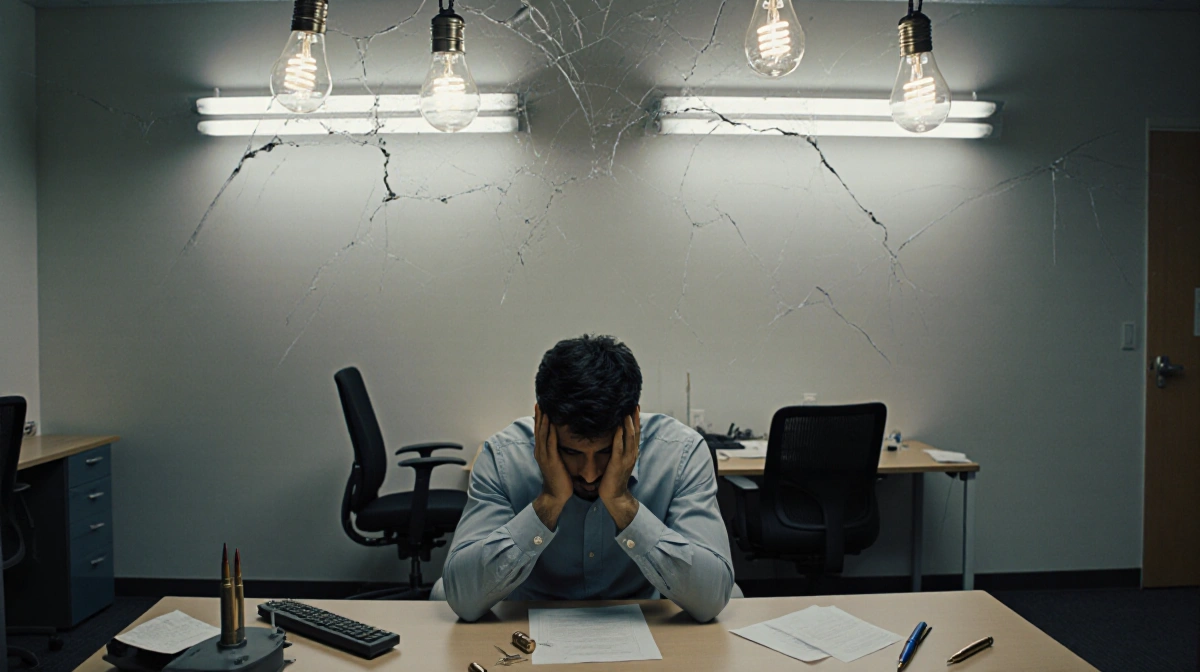
Omar, portrayed by Motaz Malhees, is a dispatcher accustomed to atrocity. His routine shift turns nightmarish when he fields a call from Hind Rajab, the sole survivor of the January 29 attack. She whispers that her family members are “sleeping” while gunshots crack in the background. The film stays inside the Red Crescent office in the West Bank-white walls, swivel chairs, fluorescent lights-turning an ordinary workspace into an emotional battlefield.
The staff’s reactions ripple outward:
- Supervisor Mahdi M. Aljamal (Amer Hlehel) trembles while negotiating safe passage for the last Gaza ambulance.
- Colleague Rana Hassan Faqih (Saja Kilani) forces a cheerful tone to comfort Hind, tears streaming.
- Senior manager Nisreen Jeries Qawas (Clara Khoury) silently shows Omar a wall of photos of victims they failed to save.
Why Ben Hania Uses the Actual Audio
Ben Hania inserts the authentic recordings: Hind’s small voice, the tank treads, the gunfire. The choice has already sparked objections, but the director insists pearl-clutching misses the point. “Audiences should be provoked by a war crime,” the film argues, labeling sanitized outrage as fake morality. By trapping viewers inside the call center, she withholds spectacle and imposes the same impotence the dispatchers endured.
Reception and Release
The 2025 production, rated NR and running 89 minutes, premiered in the January 16, 2026 edition of News Of Austin. Critic Aiden V. Crossfield awards it 4 out of 5 stars, praising its unflinching blend of documentary evidence and dramatized tension. The result is a piece of cinema that doubles as an indictment of those who smear humanitarian agencies for political gain.
Key Takeaways
- The film documents a verified 2024 incident, not fictionalized propaganda.
- Real audio serves an ethical purpose: to prevent atrocity from fading into background noise.
- By staying inside the Red Crescent offices, Ben Hania spotlights the psychological toll on aid workers, not battlefield heroics.
- The final message is blunt: ignoring or excusing such crimes invites repetition.