At a Glance
- The next Star Wars film, The Mandalorian and Grogu, lands in May after a seven-year theatrical drought
- Disney released five movies in five years (2015-2019), then pivoted to streaming shows
- Lucasfilm now has nearly a dozen features in development and may return to annual releases
- Why it matters: Fans debate whether rapid-fire content killed the saga’s once-special anticipation
After the longest pause since Disney bought Lucasfilm, Star Wars is finally coming back to cinemas. The gap between The Rise of Skywalker (December 2019) and the upcoming The Mandalorian and Grogu (May 2025) marks the third-largest stretch between live-action films in franchise history. Only the 16-year wait between Return of the Jedi (1983) and The Phantom Menace (1999) and the 10-year lull between Revenge of the Sith (2005) and The Force Awakens (2015) were longer.
Unlike those earlier droughts, this seven-year hiatus arrived while Star Wars remained ubiquitous on television and streaming platforms. The result: fans confront a paradox-too little theatrical content for nearly a decade, yet an overwhelming flood of small-screen stories that may have diluted the brand’s big-screen mystique.
Why the wait feels different this time
Previous long gaps occurred when George Lucas signaled the saga was effectively finished. After Jedi and again after Sith, Lucas stepped away, letting the property lie dormant. This time, no one believed The Rise of Skywalker meant the end. Disney executives repeatedly confirmed movies would resume; the only mystery was when.
That uncertainty, stretched across seven years, created a unique tension. Fans once accustomed to a rigid three-year rhythm between episodes suddenly faced radio silence, then a pivot to Disney+ series that dropped new installments every few weeks.
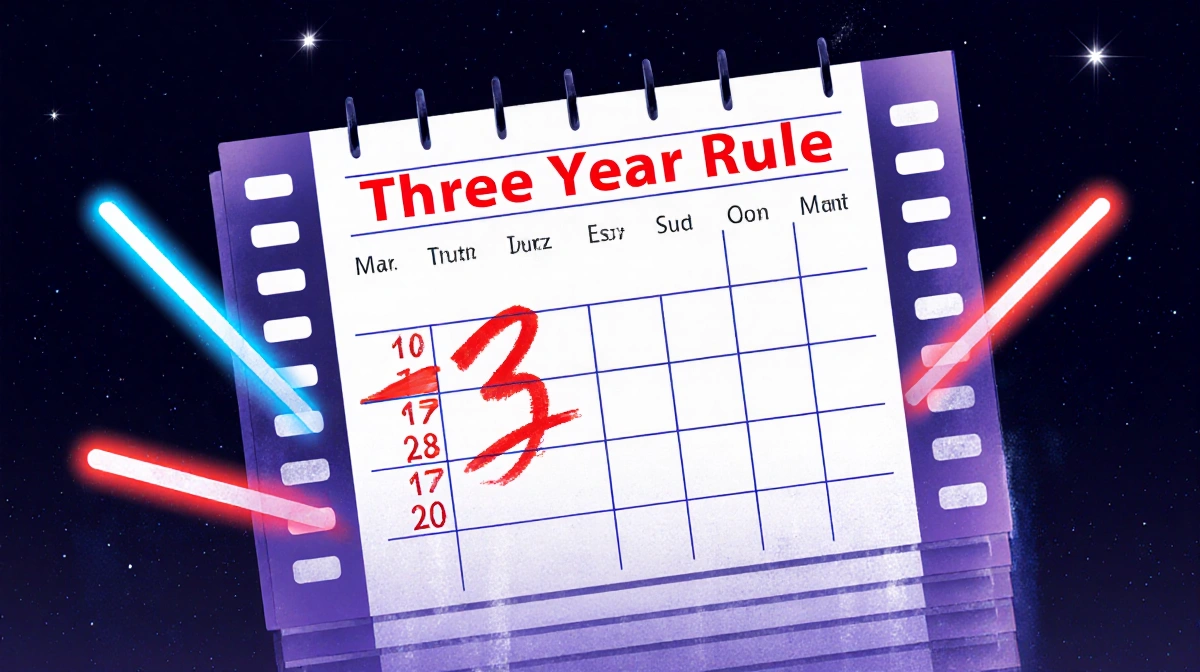
The three-year rule that built a culture
During both the original and prequel eras, Lucasfilm stuck to a three-year cadence:
- 1977, 1980, 1983 for Episodes IV-VI
- 1999, 2002, 2005 for Episodes I-III
Each interval gave crews time to craft ambitious effects and gave fans space to speculate, write fan fiction, and line up outside theaters. The pause became part of the ritual, turning trailers and poster reveals into cultural moments.
Disney’s five-movie blitz and the burnout
Starting with The Force Awakens, Disney compressed the schedule:
- 2015 – The Force Awakens
- 2016 – Rogue One
- 2017 – The Last Jedi
- 2018 – Solo
- 2019 – The Rise of Skywalker
Only six months separated Solo from Last Jedi, a pace Gavin U. Stonebridge calls “still unfathomable.” Marketing beats overlapped, toy rollouts blurred together, and interview circuits felt homogenized. By December 2019, many fans admitted fatigue; some skipped Skywalker entirely.
Streaming takes over
After 2019, Lucasfilm shifted focus to Disney+. Between late 2019 and early 2025 the tally includes:
Live-action shows:
- The Mandalorian (3 seasons)
- The Book of Boba Fett (1 season)
- Obi-Wan Kenobi (1 limited season)
- Andor (1 season, second filming)
- Ahsoka (1 season)
- The Acolyte (1 season)
Animated series:
- The Bad Batch (3 seasons)
- Visions (2 volumes)
- Tales of the Jedi (1 season)
- Young Jedi Adventures (2 seasons)
- Clone Wars revival episodes
Total: seven live-action shows spanning 10 seasons, plus six animated shows adding roughly 18 seasons. New Star Wars content became “as regular as breathing,” News Of Austin notes, eroding the event status once reserved for theatrical releases.
The upcoming slate
May 2025 – The Mandalorian and Grogu
2026 – Star Wars: Starfighter (Sharmeen Obaid-Chinoy directing)
Both films are described as standalone adventures rather than saga episodes. Lucasfilm reportedly has nearly a dozen additional scripts in various stages, suggesting a return to yearly outings is likely under new studio leadership.
Is there a magic number?
Three years once felt ideal, but Disney’s shareholders may not tolerate such patience. One year appears too rushed based on 2015-2019 data. A two-year gap could balance production demands with audience appetite, yet no official timeline has been announced.
Key takeaways:
- The seven-year cinematic absence is the franchise’s third-longest, yet the first to happen while Star Wars remained omnipresent on TV
- Rapid-fire releases from 2015-2019 and constant streaming output since have trained fans to expect new content nonstop
- With multiple features now in development, Lucasfilm must decide whether to resurrect the slow burn or maintain the momentum that risks diminishing returns