
At a Glance
- Paradex DEX displayed bitcoin at $0 during database maintenance
- False price triggered mass liquidations on the Starknet-based perps platform
- Exchange will roll back all trades to reverse the damage
- Why it matters: The incident exposes how “decentralized” apps still rely on centralized fixes
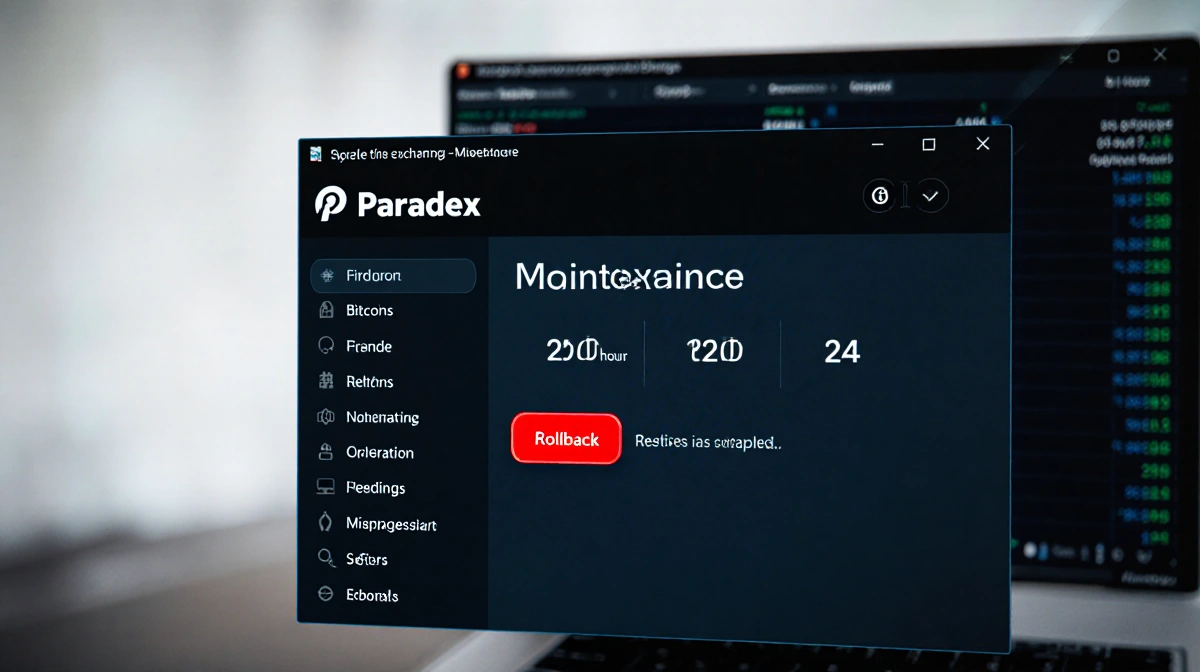
A database-maintenance error on Paradex briefly priced bitcoin at zero dollars, unleashing a cascade of automatic liquidations across the decentralized perpetuals exchange before administrators vowed to unwind every trade touched by the bad data.
The $0 Bitcoin Bug
Paradex, an appchain built atop Ethereum layer-two network Starknet, introduced the pricing glitch while updating its database, according to a report in The Block. Because the platform offers perpetual futures contracts-leveraged bets on future asset prices rather than spot holdings-any erroneous price feed can instantly trigger margin calls and liquidations.
The exchange, which has averaged more than $1 billion in daily volume over the past month, has not disclosed how many positions were forcibly closed or how many users were affected.
Rollback Plan
The Paradex team announced it will restore the exchange’s state to a snapshot taken before the maintenance window, effectively erasing every trade that relied on the faulty bitcoin quote. Users cannot place new orders until the rollback finishes; the exchange has provided no timeline for completion.
According to DL News, Paradex insists that “all user funds are safe,” though the statement leaves unanswered questions about collateral that may have been wiped out during the brief window of incorrect pricing.
Centralized Fix, Decentralized Branding
Rollbacks remain contentious in crypto because they highlight how many supposedly decentralized protocols ultimately depend on a controlling entity to override on-chain history. Similar interventions have followed major exploits:
- Multiple chains froze or reversed transactions after a $120 million hack last year
- Ethereum’s 2016 DAO hard fork rewound state to return stolen funds
- Bitcoin’s 2010 value-overflow bug required nodes to reject invalid coin-creation transactions
Critics argue these bail-outs undermine the core promise of immutable, leaderless finance. While traders who faced losses may welcome the rescue, the episode reinforces perceptions that DeFi often reverts to centralized decision-making when systems break.
Broader DeFi Trust Deficit
The Paradex incident lands amid wider unease about centralization trends in crypto. Coinbase now lobbies lawmakers for banking-style privileges, and trading activity increasingly concentrates in controllable stablecoins rather than volatile native tokens. Each rollback, outage, or emergency patch chips away at user confidence that decentralized applications can operate without corporate safety nets.
For Paradex users, the immediate relief of restored balances may be tempered by longer-term questions: if a single database tweak can price bitcoin at zero, how resilient is the exchange’s infrastructure against the next glitch?
Key Takeaways
- A database-maintenance mistake priced bitcoin at $0 on Paradex
- The exchange will roll back all affected trades, halting trading indefinitely
- The event revives debates over how decentralized DeFi protocols truly are
- Paradex averaged $1 billion daily volume before the outage