At a Glance
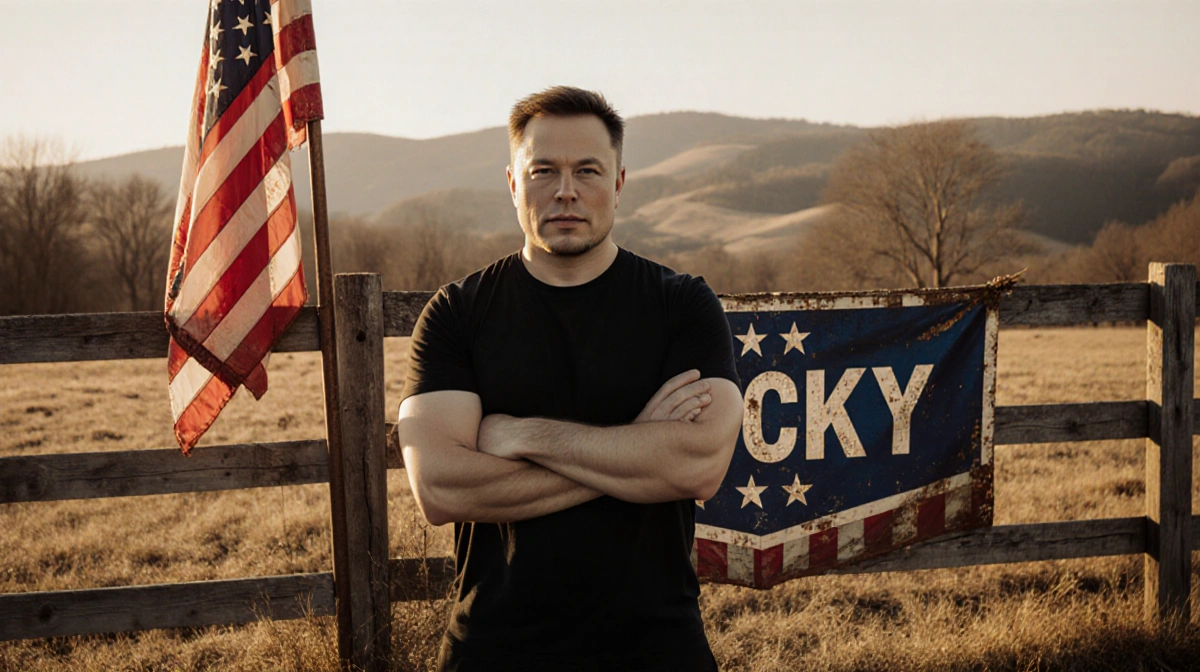
- Elon Musk is donating $10 million to Nate Morris in the Kentucky Republican primary for the seat vacated by Senator Mitch McConnell.
- Morris is an anti-establishment, anti-immigration candidate backed by Steve Bannon, Charlie Kirk and a close friend of the vice president.
- Trump has yet to endorse Morris, but the donation marks Musk’s largest single Senate contribution ever.
- Musk’s political spending history includes $290 million for the 2024 election and a recent $20 million bid that lost in Wisconsin.
Elon Musk is once again stepping into the political arena, this time backing a Kentucky Republican who could inherit the seat of a retiring Senate giant. The billionaire’s $10 million pledge to Nate Morris is the biggest single contribution Musk has made to a Senate race.
Musk’s Kentucky Gamble
Morris is portrayed as an anti-establishment figure who shares Musk’s frustrations with Senate Majority Leader Mitch McConnell. His platform centers on anti-immigration policies, and he has already received endorsements from high-profile MAGA figures such as Steve Bannon and the late Charlie Kirk. Reports say he is also a good friend of the vice president, though President Trump has not yet weighed in.
Key Endorsements
- Steve Bannon
- Charlie Kirk
- Close friend of the vice president
A History of Political Spending
Musk’s involvement in U.S. politics began in 2024, when he spent $290 million to support Republicans, most notably President Donald Trump. That election saw a GOP sweep, securing the House, Senate, and White House while benefiting from a conservative Supreme Court. Musk’s presence in the administration was visible in public appearances with the President and in his leadership of the now-defunct DOGE.
Spending Timeline
| Year | Amount Spent | Purpose |
|---|---|---|
| 2024 | $290 million | Support for Republican candidates, especially Trump |
| 2024 (April) | $20 million | Attempt to buy a seat in Wisconsin |
| 2024 (current) | $10 million | Support for Nate Morris in Kentucky |
The Wisconsin Defeat
In April, Musk’s political gamble in Wisconsin failed. Voters turned out in record numbers to reject the candidate he had backed with $20 million. An anonymous GOP operative told Politico last May:
“He’s finished, done, gone. He polls terrible. People hate him,” the operative added. “He’d go to Wisconsin thinking he can buy people’s votes, wear the cheese hat, act like a 9-year-old. … It doesn’t work. It’s offensive to people.”
The loss underscored a broader backlash against Musk, who faced protests and a historic decline in Tesla sales.
Return to the Trump Circle
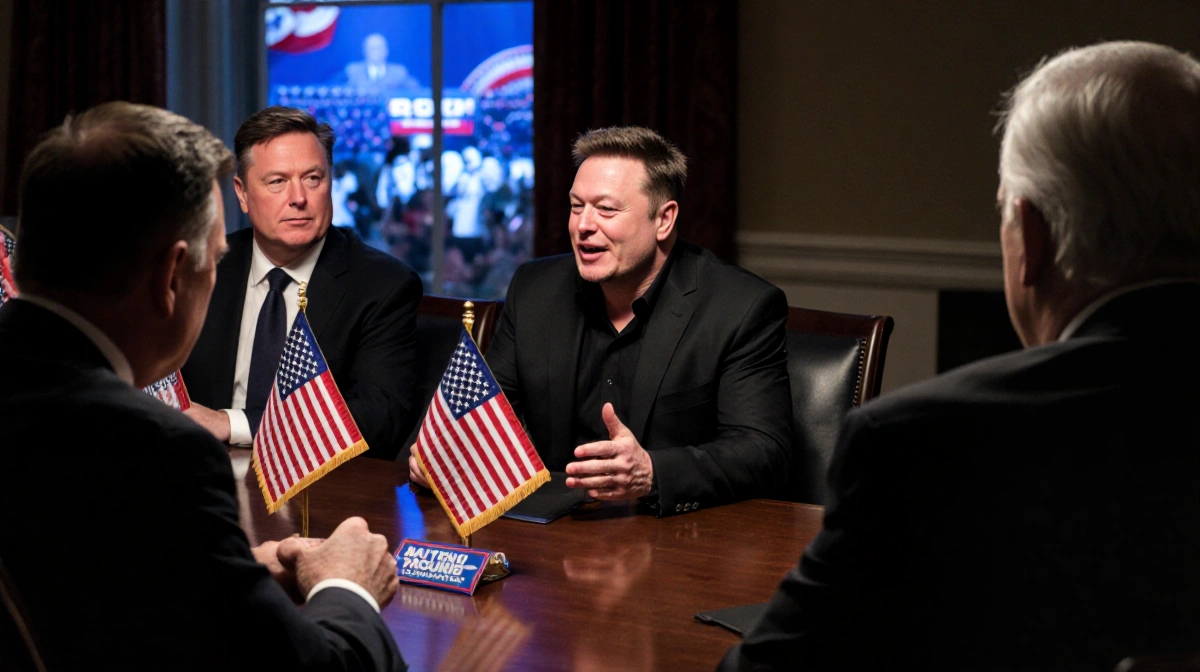
After the Wisconsin setback and a public fallout with Trump, Musk stepped back from the political spotlight. Late last year he re-emerged on Trump’s periphery, flaunting private dinners with the President, signing AI deals with the Pentagon, and reaffirming support for Republican super PACs. He also engaged in foreign affairs, signaling a renewed commitment to the GOP.
Looking Ahead to 2026
Sources told News Of Austin that Musk plans to give more money to protect Trump’s power in the upcoming 2026 midterm elections. Whether he will don the cheese hat again or run a campaign trail himself remains uncertain. The $10 million Kentucky donation may be the first of many that could reshape the Senate landscape.
Key Takeaways
- Elon Musk is making his largest Senate contribution yet, backing Nate Morris for Kentucky.
- Musk’s political history includes a $290 million 2024 spend and a failed $20 million Wisconsin bid.
- Trump has yet to endorse Morris, but Musk’s support could influence the race.
- Musk is preparing to invest heavily in the 2026 midterms to safeguard Trump’s influence.
The political arena is once again in motion, with Musk’s next moves likely to have ripple effects across the Republican Party and the Senate.