
At a Glance
- 49 states are experiencing drought as of January 13, 2026, leaving California the sole exception.
- 130 million Americans face unseasonal water stress.
- California’s 2025 wildfires burned 38,000 acres and destroyed 16,000 structures.
- Why it matters: The U.S. is in its worst drought in a decade, but California’s rare reprieve comes at the cost of deadly storms.
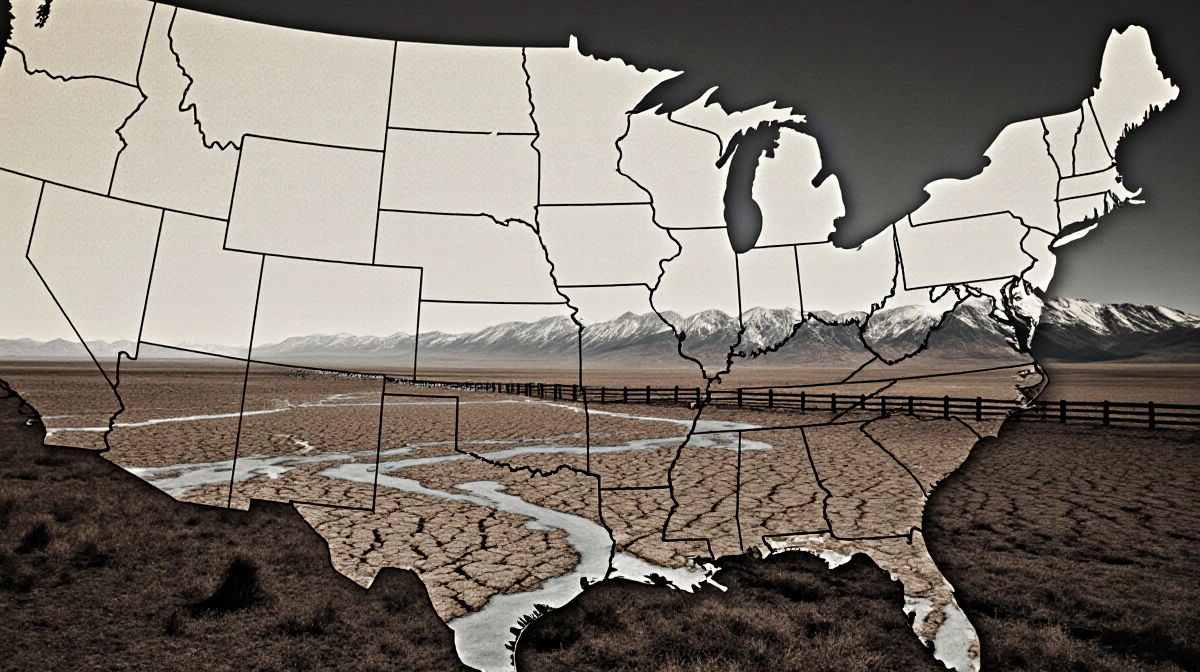
California is the only state that has escaped the widespread drought sweeping the nation this year, a rare occurrence that has drawn attention from water managers and fire officials.
Nationwide Drought Landscape
The U.S. Drought Monitor map dated January 13, 2026 shows that 49 states are at least partially affected by abnormally dry conditions, leaving California the lone drought-free state. The map also indicates that 35.66 % of the U.S. and Puerto Rico, or 42.55 % of the Lower 48, are under some level of drought.
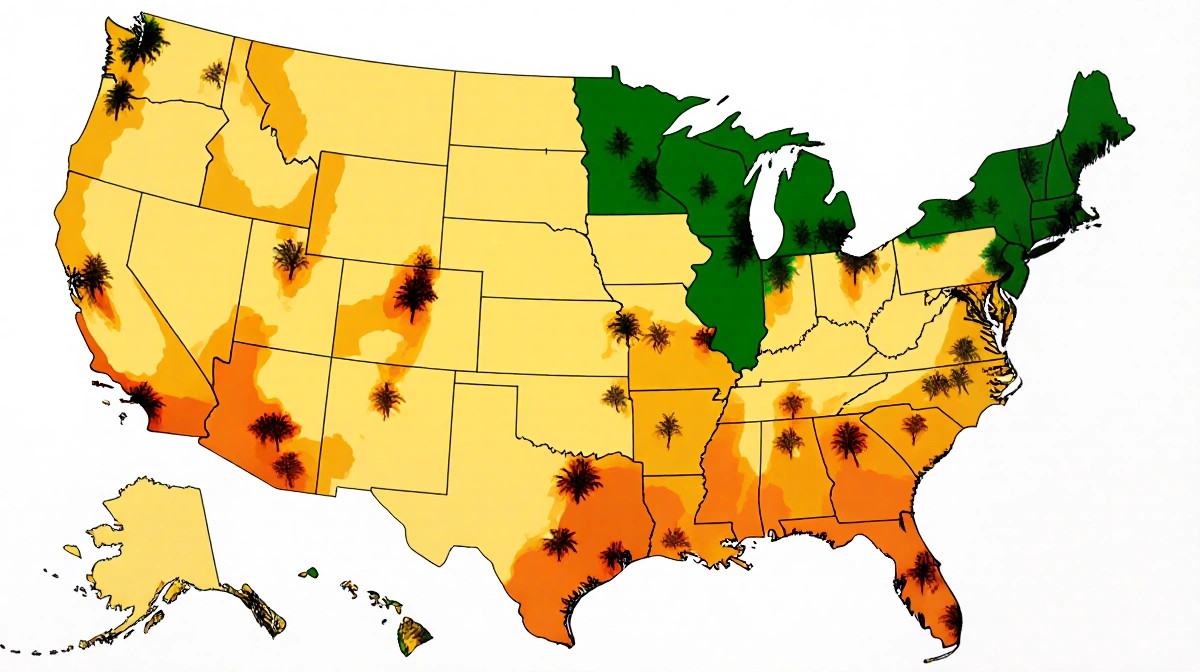
The drought has affected more than 130 million Americans, with water stress becoming a pressing issue across the country.
Key Drought Metrics
| Region | Peak Drought % | Peak Date |
|---|---|---|
| Nationwide | 36.64 % | Late November 2025 |
| Western & Central U.S. | – | – |
The West’s water supply, largely dependent on mountain snowmelt, suffered because April and May heatwaves caused the snowpack to melt prematurely. This left less water available during peak summer demand.
Record-Setting Temperatures
- Idaho, Nevada, Oregon, Texas, Utah all set new statewide records for November average temperatures.
- The West received far less snow than usual during the 2025-2026 winter season, prolonging drought conditions.
In the East, drought worsened between August and September, while parts of the West and Great Plains saw improvements. New England received less than 50 % of its normal summer precipitation, and by the end of September, roughly one-third of the region was in severe or extreme drought.
California’s Unusual Outlier
California’s drought status is a stark contrast to the rest of the country. In January 2025, the state was extremely dry, leading to a Santa Ana wind event that sparked deadly wildfires. Those fires burned more than 38,000 acres (15,000 hectares) and destroyed more than 16,000 structures in the Los Angeles metropolitan area.
By the end of 2025, Californians faced the opposite problem: extreme rainfall. From October to December, multiple atmospheric rivers dumped above-average rainfall, triggering widespread flash flooding and mudslides, especially in burn-scar areas left by the LA wildfires.
> “It’s terrifying to think of the upcoming fire season,” said Scott Fitzwilliams, the recently retired head of Colorado’s White River National Forest, to the Washington Post. “Forest managers, water managers, and firefighters are all going to be on pins and needles come spring.”
Unofficial reports suggest that at least 20 people died due to the series of dangerous storms. The rain replenished the state’s long-depleted reservoirs and eliminated areas of abnormal dryness by the start of 2026. As a result, wildfire danger across California should remain relatively low until early summer.
Implications for the Fire Season
While California enjoys a long-awaited reprieve, the rest of the U.S. faces a volatile fire season. Drought, low snowpack, and above-normal temperatures persist, creating conditions that can trigger rapid fire spread.
Drought recovery typically takes months to years, but research shows that climate change is extending this period by shortening the intervals between droughts. This means that the nation will likely remain in a state of water stress for an extended time.
Looking Ahead
The drought’s persistence is expected to continue into the coming months. The West’s reduced snowpack, coupled with ongoing heatwaves, will keep water supplies low. Meanwhile, the East’s drought conditions, though improving in some areas, still pose significant risks.
The unusual pattern-California drought-free amid widespread dryness-highlights the complex interplay between regional weather systems and long-term climate trends. Stakeholders across the country must prepare for continued water scarcity and heightened fire risk.
Key Takeaways
- 49 states are under drought, California is the only exception.
- 130 million Americans experience water stress.
- California’s 2025 wildfires and subsequent heavy rainfall have reshaped its water landscape.
- Climate change is extending drought recovery periods.
- The rest of the U.S. faces a volatile fire season as drought and heat persist.
—