At a Glance
- President Donald Trump has been posting relentlessly on Truth Social, targeting former officials and European leaders.
- He pushes unverified claims about Greenland and calls for prosecution of unnamed figures.
- His rhetoric has led to subpoenas of Minnesota officials and raised national security concerns.
On January 20, 2026, President Donald Trump was in the middle of a relentless posting spree on Truth Social, targeting everything from former administration officials to European leaders. His messages-filled with AI-generated images and unsubstantiated accusations-have sparked legal action and heightened alarm across the country. This article examines the content of his posts, the reactions they’ve provoked, and the broader implications for U.S. politics.
Trump’s Online Rant
Trump’s morning on Truth Social was a barrage of claims. He shared AI-generated images depicting himself, Vice President JD Vance, and Secretary of State Marco Rubio standing in Greenland, planting an American flag beside a sign that reads “Greenland, U.S. territory, est. 2026.” He also posted private Signal conversations with European leaders, including a message from French President Emmanuel Macron that expressed confusion over Trump’s Greenland ambitions. The posts were framed as threats, with Trump calling for unnamed officials from the Biden era to be prosecuted for “unspecified crimes.”
In a separate rant, Trump accused former President Biden of using an autopen to sign documents, asserting that the tool invalidates all signatures. He failed to name any officials or specify the crimes, repeating the claim without evidence. His tone was described by observers as “pathetic,” “whiny,” and “weak,” suggesting a desperation that has not improved his public image.
Controversial Claims
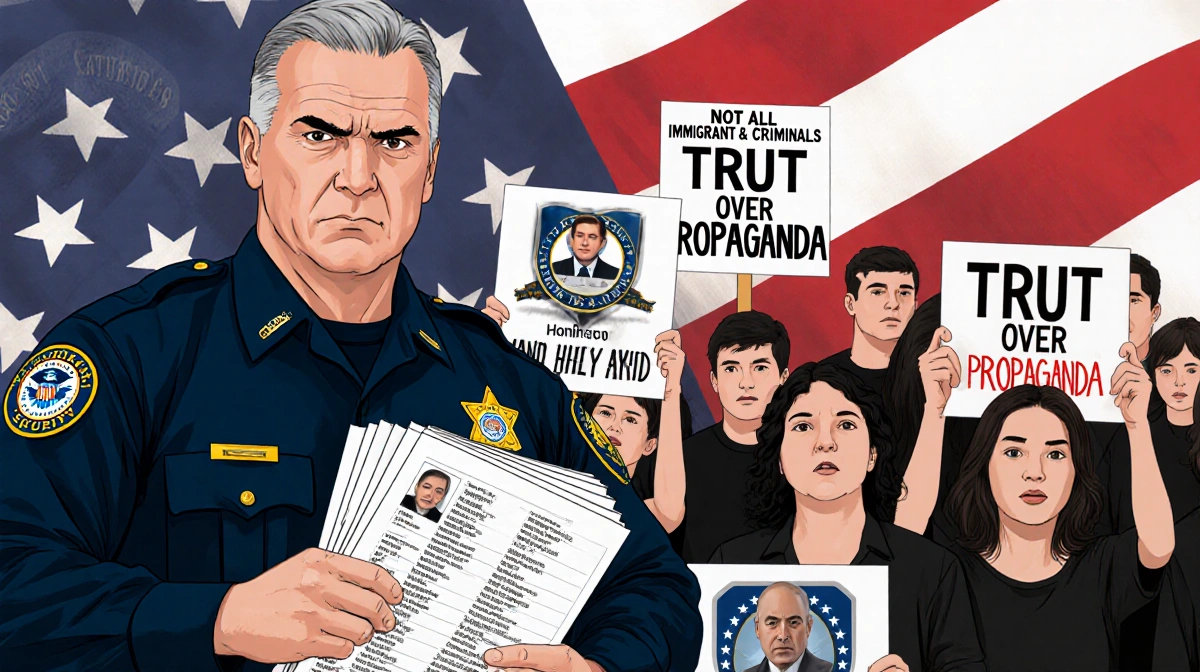
Trump also targeted the Department of Homeland Security and Immigration and Customs Enforcement. He urged DHS to “start talking about the murderers and other criminals that they are capturing,” accusing the agency of spreading propaganda about Minnesota’s immigrant communities. Trump insisted that the pushback from Minnesotans was artificial, driven by “paid agitators.” He called for DHS to show “the numbers, names, and faces of the violent criminals” to win public support for ICE.
The claim that Minnesota protests were staged was contradicted by photographs of residents in bathrobes confronting ICE agents on January 13, 2026. Rep. Michael McCaul told ABC’s This Week that the state suffered “8,000 verbal assaults,” but DHS did not respond to inquiries about how it tracks such metrics. Trump’s narrative, therefore, appears to misrepresent the situation on the ground.
Greenland Ambitions
Trump’s fascination with Greenland has escalated. He posted an AI-generated image of himself, Vance, and Rubio standing in Greenland, planting a flag. He also shared an edited image of the Oval Office map that replaced the Ukrainian map with a depiction of Canada, Greenland, and Venezuela under an American flag. The original Wikipedia image showed the map of Ukraine.
Polling data reveals that 70% of Americans oppose using federal funds to buy Greenland, and 86% oppose taking Greenland by force, according to CBS News. Trump’s posts have not softened public opinion; instead, they have highlighted the disconnect between his rhetoric and the electorate’s stance. His sharing of private Signal messages with Macron-who expressed confusion-further underscores the lack of strategic clarity.
Legal and Political Fallout
The fallout from Trump’s posts has intensified. Federal prosecutors issued subpoenas to at least five Democratic Minnesota leaders, including Gov. Tim Walz and Minneapolis Mayor Jacob Frey, following the New York Times report. Trump’s appearance in the White House briefing room on January 19, 2026-where he rambled for over an hour-showed his continued desperation. He blamed his public relations team, saying, “Maybe I have bad public relations people, but we’re not getting it across.”
These developments signal a broader erosion of Trump’s support base. While he believes his posts can shift public opinion, the legal actions and public backlash suggest otherwise. The nation watches as the president’s rhetoric increasingly clashes with democratic norms.
Key Takeaways
- Trump’s Truth Social posts have become more frequent and aggressive, targeting former officials and foreign leaders.
- Claims about Biden’s autopen, Minnesota protests, and Greenland acquisition lack evidence and have been widely disputed.
- Polls show overwhelming opposition to buying or seizing Greenland, contradicting Trump’s narrative.
- Legal actions against Minnesota officials and Trump’s own briefings indicate mounting pressure on his administration.
- The president’s messaging strategy appears to be failing, raising concerns about the future of American political discourse.