Elon Musk has released a portion of the X recommendation algorithm code, falling short of his January 10 promise to make public “all code used to determine what organic and advertising posts are recommended to users.”
At a Glance
- Musk released only part of the X recommendation algorithm code
- The Following feed and ad-serving algorithms remain unpublished
- Musk admits the algorithm “sucks” and is “dumb”
- X product head claims daily engagement from new users rose from under 20 minutes to the mid-30s in six months
- Why it matters: Users still can’t see how ads or the Following feed are sorted, limiting true transparency
The release, posted to GitHub, covers only the For You feed. The Following feed and advertising algorithms are still private, despite Musk’s pledge to open them. On November 26, Musk and the Grok account stated that Grok sorts the Following feed by default, a feature not included in the current code dump.
News Of Austin contacted X for clarification on when the remaining code would be released and has not received a response.
Musk himself criticized the code. “Yes, the algorithm sucks,” he tweeted on January 20, 2026, responding to complaints that the system down-ranks accounts that are frequently blocked. Former video game executive Mark Kern argued this rule disproportionately affects right-wing accounts; Musk appeared to agree.
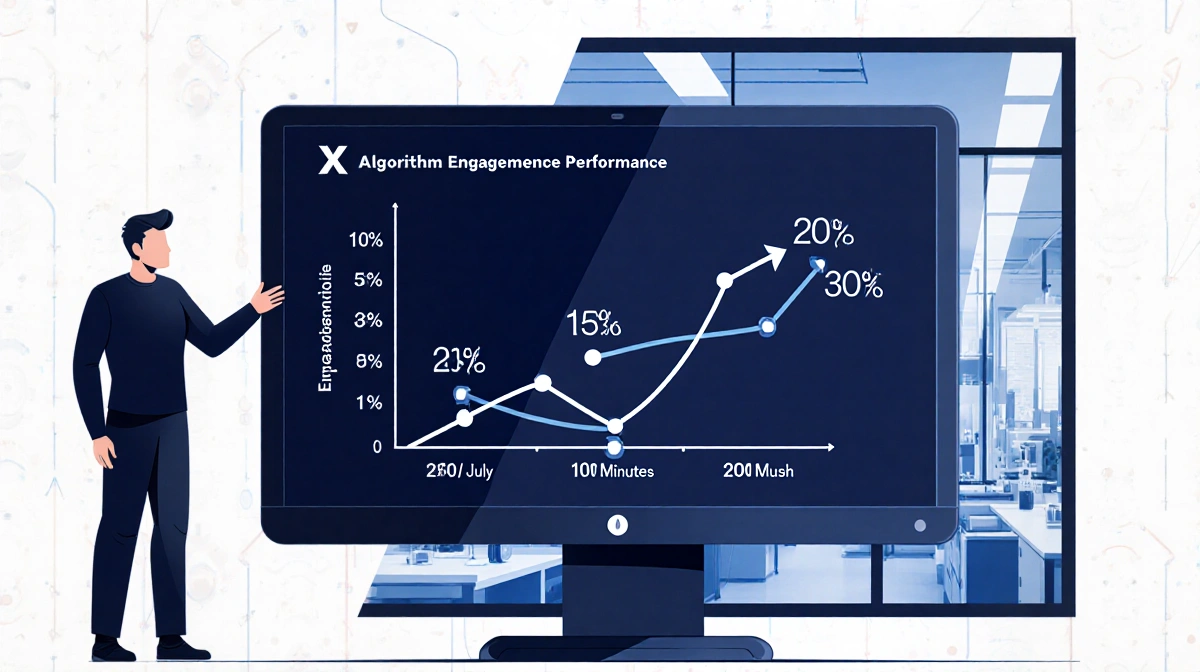
Hours earlier, X head of product Nikita Bier praised the algorithm’s performance, noting that new-user daily engagement climbed from under 20 minutes in July 2025 to the mid-30s by January 2026.
Readme files in the repository describe an engagement-first system modeled on TikTok. The code prioritizes posts likely to stop scrolling, pulling from followed accounts and similar ones. It aims to maximize time on platform rather than deliver chronological or balanced content.
Musk also called the algorithm “dumb” in reply to blogger Robert Scoble, who complained that news-jacking posters get undue reach. Musk pledged monthly improvements tied to future GitHub updates every four weeks.
Whether open-sourcing will reconcile user satisfaction with ad-driven engagement remains uncertain. The current release offers only a partial view, leaving key components opaque.