At a Glance
- Gore Verbinski blames Unreal Engine for the drop in film CGI quality.
- The gaming tool is now used for final shots instead of just pre-visualization.
- Verbinski says the software mishandles light on skin and creates uncanny results.
- Why it matters: Viewers get video-game visuals in movies that cost hundreds of millions.
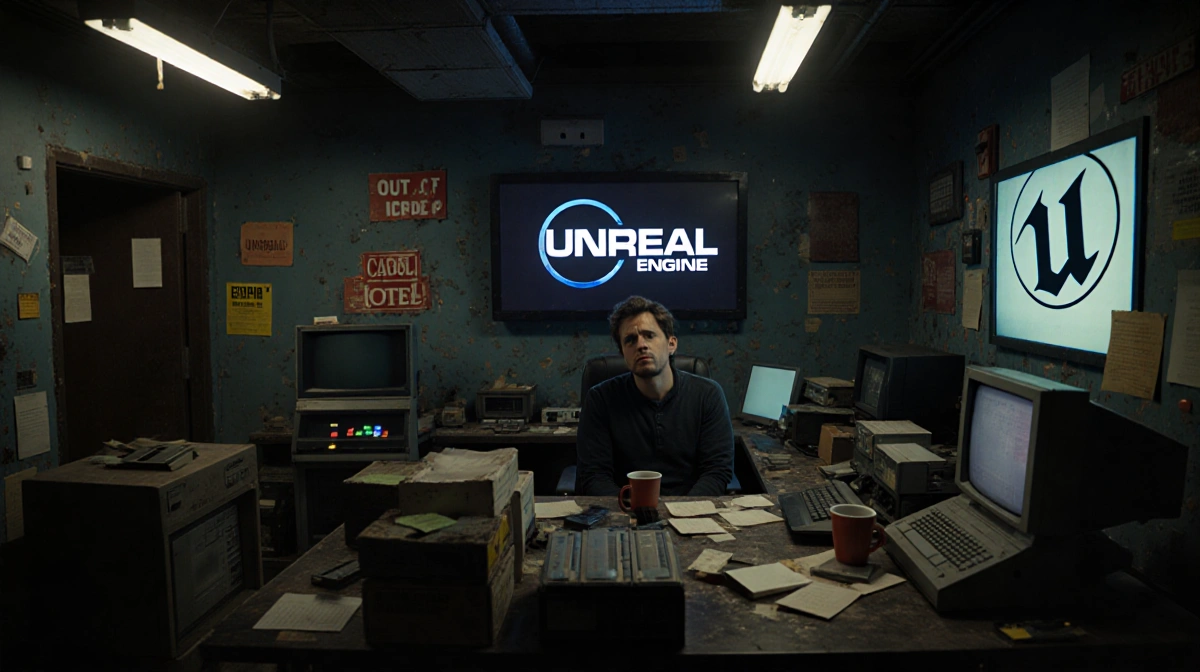
Hollywood’s visual-effects slump has a new culprit, according to the director behind some of the most celebrated CGI of the past two decades. Gore Verbinski, who steered the Pirates of the Caribbean franchise and Rango, told pop-culture outlet But Why Tho? that the Unreal Engine-software born for video games-has dragged blockbuster imagery into the uncanny valley.
From Maya to Unreal
Verbinski remembers when Maya dominated effects houses. That tool, he says, rendered subsurface scattering and skin reflections with a realism Unreal still can’t match. The shift began once studios discovered Unreal could deliver shots faster and cheaper than traditional pipelines.
> “You’ve seen the Unreal gaming engine enter the visual-effects landscape,” Verbinski said. “People started thinking maybe movies can also use Unreal for finished visual effects. So you have this sort of gaming aesthetic entering the world of cinema.”
The director traces the problem to speed-over-quality shortcuts:
- In-between animation frames are generated automatically instead of by hand.
- Lighting models built for real-time gameplay fail to mimic how skin absorbs and reflects light.
- Executives accept results that once would have been sent back for fixes.
Fan Frustration Grows
Audiences have flooded social media for years, asking why a 1993 T-Rex from Jurassic Park feels more present than creatures in modern tent-poles. Verbinski’s comment lands amid renewed debate that started when The Flash, Ant-Man and the Wasp: Quantumania, and Aquaman 2 were dinged for rubbery digital doubles and weightless physics.
Isaac Y. Thornwell reported for News Of Austin that the complaints aren’t limited to superhero fare. Viewers cite TV dramas and space epics where ships sit on oceans that look like gray wallpaper. The common thread, Verbinski argues, is Unreal’s takeover of final-pixel work.
Industry Split on Cause
Other filmmakers point to different culprits:
- James Gunn, director of Guardians of the Galaxy and the upcoming Superman, blames schedule pressure. On Threads in 2024 he wrote that rushed timelines leave VFX artists no room to iterate.
- Industry watchers note ballooning shot counts. A 2003 blockbuster might have 500 effects shots; today’s entries regularly exceed 3,000, stretching teams across half a dozen vendors.
- Some critics argue overall script and directorial quality have fallen, making flashy visuals the scapegoat.
Verbinski concedes money men set the tempo, but he insists tool choice matters just as much. “What’s become acceptable from an executive standpoint… they think no one will care that the ships in the ocean look like they’re not on the water,” he said.
Unreal’s Hollywood Expansion
Epic Games launched the first Unreal Engine in 1998 for PC shooters. Since 2019, Hollywood has adopted it for:
| Production | Use Case |
|---|---|
| The Mandalorian | LED-wall virtual sets |
| Westworld | Set-extension backgrounds |
| Fallout | Real-time environment previews |
Studios praise the speed: directors can move a virtual sun and see the new lighting instantly, a process that once took render farms hours. Yet that same immediacy, Verbinski claims, encourages “good enough” final shots that end up on the big screen.

Cost vs. Quality Trade-Off
Verbinski’s filmography shows what meticulous rendering can achieve. The first Pirates installment earned an Oscar for Visual Effects in 2004, back when Maya, RenderMan, and similar tools demanded overnight renders but produced photoreal skin and cloth.
Today, he says, the industry has flipped the equation:
- Budgets have doubled or tripled since 2000.
- Post-production windows have shrunk to meet global release dates.
- Studio notes arrive late, forcing vendors to adopt Unreal for last-minute fixes.
The result is imagery that reminds viewers of cut-scenes rather than cinema. Verbinski fears audiences now expect the glossy, slightly plasticky look, lowering the bar for every subsequent release.
Key Takeaways
- Gore Verbinski singles out Unreal Engine as a root cause of modern CGI backlash.
- The tool excels at real-time gaming but falls short on cinematic lighting detail.
- Faster, cheaper workflows have replaced the slower pipelines that produced Pirates and Rango.
- Until studios prioritize accuracy over velocity, viewers can expect more video-game visuals on the big screen.
Isaac Y. Thornwell‘s full report for News Of Austin underscores a widening gap between what technology can deliver and what executives will pay for, leaving audiences stranded in the uncanny valley.