At a Glance
- Apple is developing a wearable AI pin with dual cameras, mics and speaker
- The disc-shaped device is sized like an AirTag and uses magnetic charging
- Rushed timeline aims to beat OpenAI’s upcoming Jony Ive-designed gadgets
- Why it matters: Apple risks repeating Humane’s $699 flop that left buyers with bricked devices
Apple is charging into the failed AI pin market with its own wearable device, according to a new report from The Information. The move comes months after Humane’s $699 Ai Pin became unusable when the startup shut down its servers.
Design and Hardware
The reported device is a “thin, flat, circular disc with an aluminum-and-glass shell,” sources told The Information. It packs two cameras on the front-standard and wide-angle-to capture photos and video of the wearer’s surroundings.
Key features include:
- Dual cameras for computer vision tasks
- Microphones for voice input
- Built-in speaker for audio feedback
- Physical button along one edge
- Magnetic inductive charging on the back (Apple Watch-style)
- Target size similar to an AirTag
The pin would likely support voice assistant functions and real-time translation, based on the microphone and speaker combination.
Attachment Questions
Critical details remain unclear. The Information’s report doesn’t specify how the pin attaches to clothing. Humane’s magnetic clip system proved unreliable, causing the expensive device to fall off or shift position during daily use.
Apple’s engineers face the same engineering challenge: keeping a small, heavy device securely fastened to fabric without damaging garments. The magnetic charging interface suggests magnets may play a role in attachment, raising concerns about history repeating itself.
Market Timing
Apple is accelerating development to compete with OpenAI’s hardware ambitions, according to the report. OpenAI has partnered with former Apple design chief Jony Ive on multiple devices, including AirPods competitors and smart pens.
The rush reflects Apple’s urgency to avoid missing the next computing platform, even as the AI gadget category remains unproven. Humane’s collapse left the market without a successful blueprint.
Humane’s Cautionary Tale
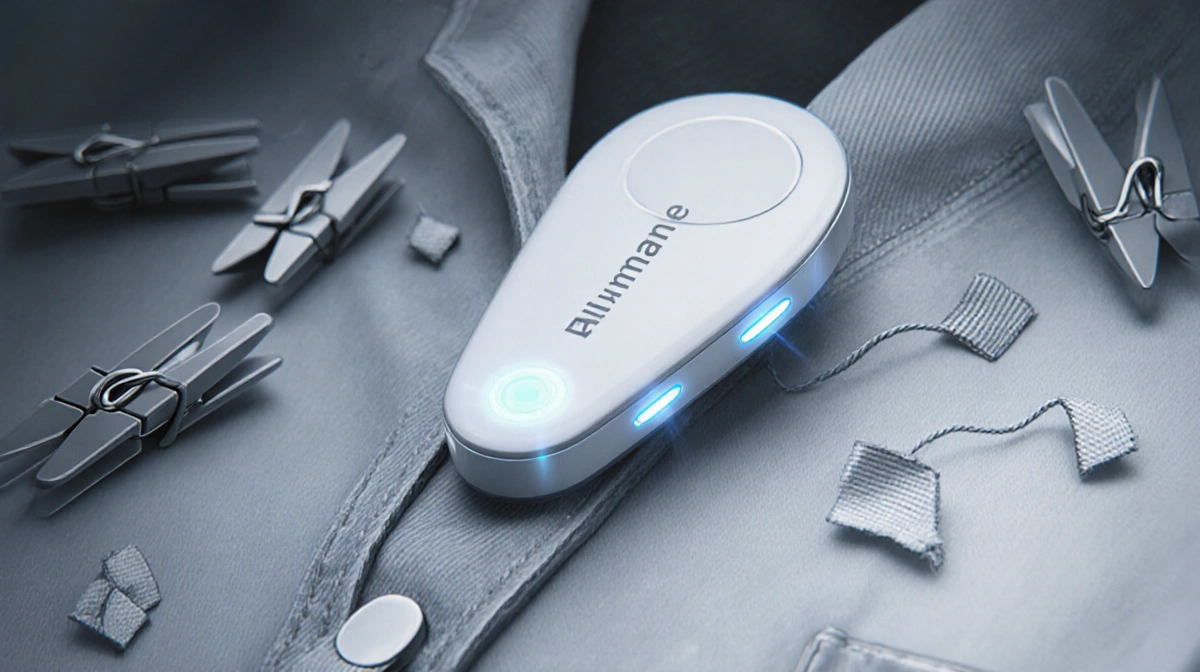
Humane launched its Ai Pin in April 2024 with bold promises of replacing smartphones. Reviews slammed the device for:
- Poor battery life
- Overheating issues
- Unreliable voice commands
- Limited functionality
- High price tag
The company ceased operations in November 2024, remotely disabling all devices and leaving customers with expensive paperweights. The failure highlighted fundamental challenges in creating compelling AI wearables.
Strategic Implications
Apple’s entry into this space signals growing pressure to deliver AI hardware beyond phones. The company reportedly views OpenAI’s devices as potential threats to its ecosystem lock-in.
However, the business model remains murky. AI pins lack the app ecosystem, display real estate and processing power that make smartphones indispensable. Pricing will prove crucial-Humane’s $699 price point proved unsustainable.
Development Status
The device remains in early development, according to sources familiar with the project. Apple’s hardware division is exploring multiple form factors as it races to match OpenAI’s timeline.
Key challenges ahead:
- Battery life in a tiny form factor
- Heat dissipation during intensive AI tasks
- Reliable attachment mechanisms
- Compelling use cases beyond smartphone duplication
- Privacy concerns with always-on cameras
The Information reports that Apple leadership has made the AI pin a priority despite internal skepticism about the product category’s viability.
Key Takeaways
Apple is developing an AI pin with cameras, mics and voice capabilities to compete with OpenAI’s upcoming devices. The disc-shaped wearable faces the same attachment and usability challenges that doomed Humane’s effort. With Humane’s $699 device already a costly failure, Apple risks repeating mistakes in a category without proven demand.