At a Glance
- Save the Good Stuff now houses architectural salvage from demolished buildings.
- The collection includes historic doors, a 1940s medicine cabinet, and longleaf pine floorboards.
- Tere O’Connell turned the former Baker School into a preservation hub after a 2019 property purchase.
Why it matters: The store demonstrates how adaptive reuse preserves heritage while supporting local businesses.
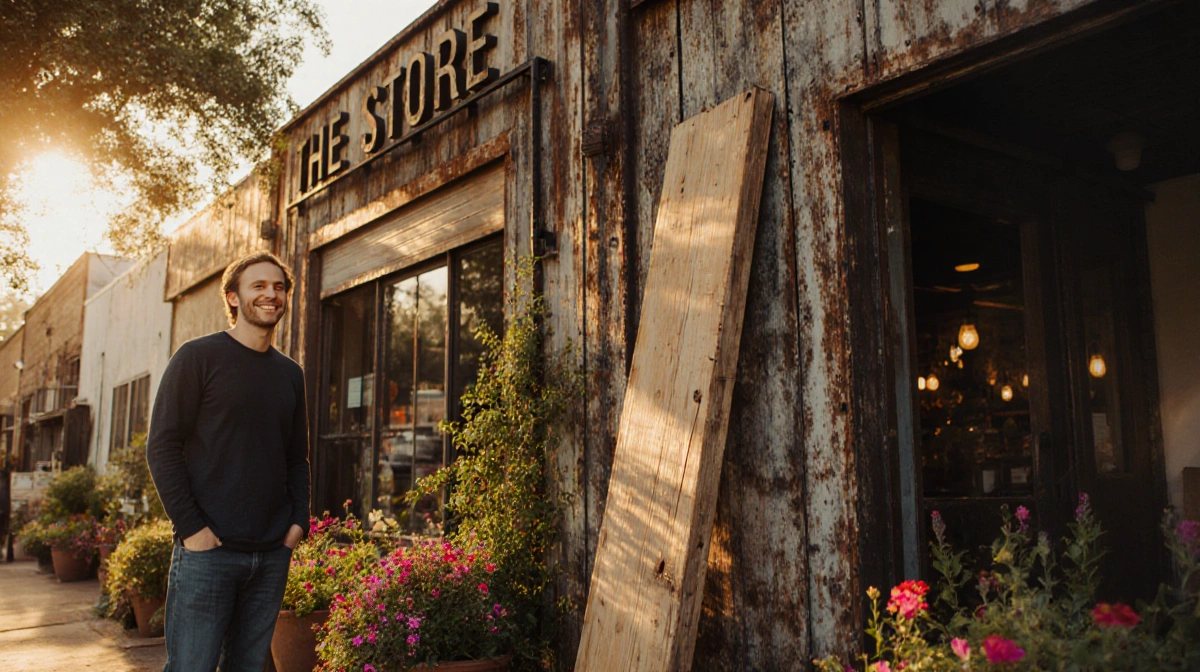
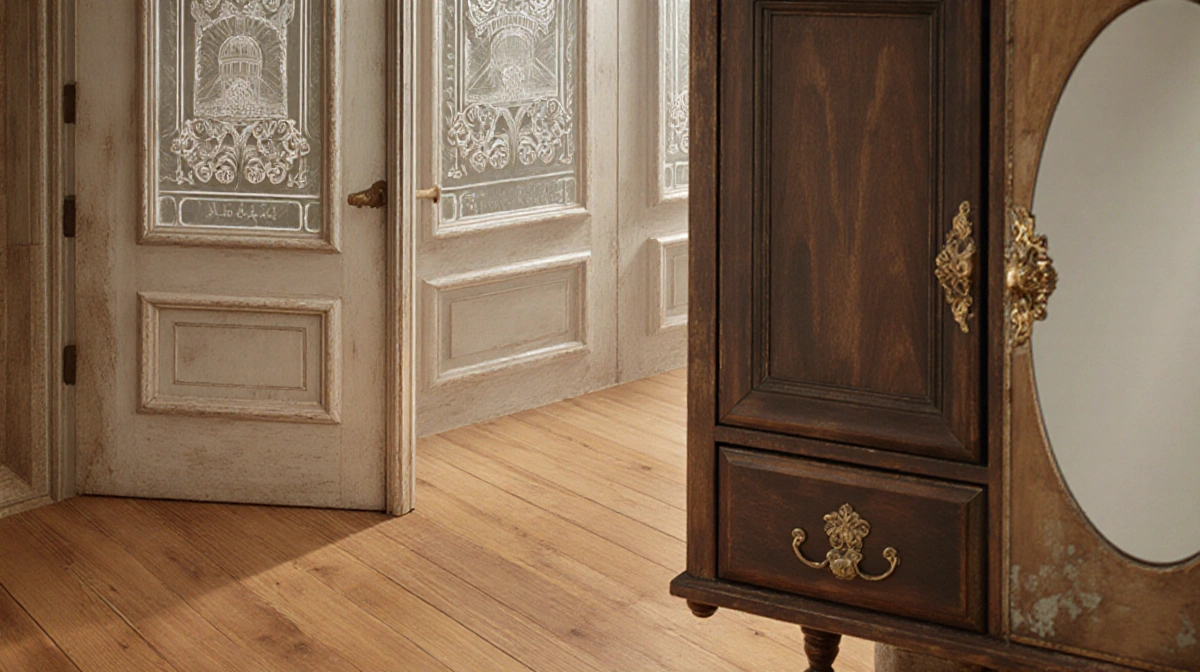
The day the big painted metal doors that once marked the Austin Chronicle office were moved, many wondered where they had gone. They now lean against a wall on the ground floor of the Baker Center, a space that also hosts a growing collection of architectural salvage. The room, and the hallway that surrounds it, are packed with items removed from buildings being demolished or remodeled. From etched glass doors from the state Capitol to a 1940s bathroom medicine cabinet, and even a whole house worth of longleaf pine floorboards, the pieces are too beautiful, valuable, and usable to be allowed to rot.
The Store
Save the Good Stuff operates by appointment and is the latest project from Tere O’Connell and her firm, O’Connell Architecture. The firm’s specialty is preservation, and while it has undertaken high-profile projects like the Elisabet Ney Museum, most of its work is in private homes. O’Connell said, “The preservation of our historic buildings is our connection to our past. It tells our story. It gives us our unique identity, and I feel very passionate about preserving it.”
The store’s shelves are a far cry from the light, airy offices on the third floor of the same building. Those offices overlook a gorgeous north view into Hyde Park and are designed to spark inspiration and a love of preservation. The whole Baker Center, a former school, is proof of the power and possibility of adaptive reuse.
Salvage Highlights
- Etched glass doors from the state Capitol
- A 1940s bathroom medicine cabinet
- Longleaf pine floorboards from an entire house
These items are not merely decorative; they are functional pieces that can be repurposed in new construction or renovation projects.
O’Connell’s Vision
O’Connell’s fascination with the former Baker School predates the Baker Center itself. In 2005, she attended a National Trust for Historic Preservation conference in Portland, Oregon, where she was inspired by preservation projects of the McMenamins brewing company. “They adapt schools to be brewpubs and hotels and theatres, and I was just so inspired by that tour, and I thought, ‘Where can we do it in Austin? We can do it at the Baker.'” However, neighborhood pushback and Austin ISD’s unwillingness to sell the property meant the plan went nowhere.
When the Leagues finally purchased the property in 2019, O’Connell was first in line. “We came to the soft opening when it was just about finished, and I was like, ‘Please, Tim, we must be in here.'”
She wanted a space that was not dusty or bug-ridden. “I didn’t want a dusty, bug-ridden place,” O’Connell said. “I wanted it to be nice and clean and dry and in a historic building, and there aren’t many opportunities for that in Austin – and fewer by the day.”
Community Impact
The store’s opening coincides with a shift in how young homeowners view historic buildings. O’Connell notes that more young people are interested in sympathetic remodeling rather than bulldozing. “They really appreciate their historic buildings and want to preserve them,” she said.
The Baker Center’s adaptive reuse also provides a tangible example for the community. By turning a former school into a preservation hub, the building now serves both as a commercial space and a living museum of architectural heritage.
| Year | Event |
|---|---|
| 2005 | O’Connell attends National Trust conference and is inspired by McMenamins projects |
| 2019 | Leagues purchase former Baker School property |
| January 23, 2026 | Save the Good Stuff opens in Baker Center |
The donation note that appears at the end of the original article reminds readers that independent journalism relies on community support. While that note is not part of the core story, it underscores the importance of preserving local history and the institutions that report on it.
Key Takeaways
- Save the Good Stuff preserves architectural salvage that would otherwise be lost.
- Tere O’Connell’s vision turned a former school into a hub for historic preservation.
- The store reflects a broader trend of adaptive reuse in Austin.
- Community interest in sympathetic remodeling is growing among young homeowners.
- The Baker Center stands as a model for how historic buildings can be repurposed successfully.
The story of Save the Good Stuff shows that preserving the past can be both a cultural and a commercial venture, keeping Austin’s architectural heritage alive for future generations.