At a Glance
- Tesla’s claim that its Robotaxi safety monitor has been removed is contradicted by evidence of trail cars.
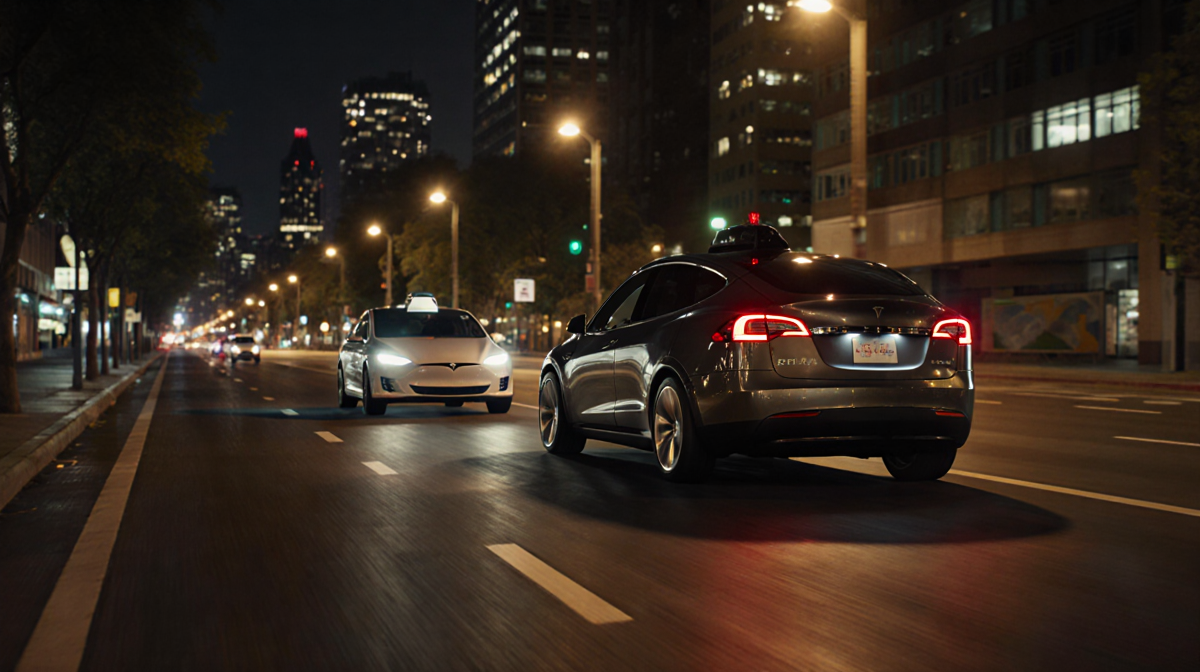
- Videos show Tesla vehicles following Robotaxi rides, suggesting limited autonomy.
- Musk touted full autonomy at Davos, but data indicates a far slower pace.
- Why it matters: The public perception of Tesla’s autonomous progress may be inflated, affecting trust and regulatory scrutiny.
Tesla’s Robotaxi service has been operating in Austin, Texas, for several months. A safety monitor-an in-car human who can intervene if the vehicle misbehaves-has been a central part of the system. On Thursday, CEO Elon Musk announced that the monitor would no longer be present in the vehicle, positioning the move as a leap toward fully autonomous rides.
Trail Car Evidence
Electrek’s investigation, based on social-media videos, shows that Tesla has not removed the safety monitor entirely. Instead, the company appears to have relocated the human observer to a separate vehicle that trails the Robotaxi throughout its journey. Multiple clips demonstrate the Robotaxi being shadowed by a Tesla car, implying that the autonomous system still relies on a nearby human presence.
- January 22, 2026 – Tesla enthusiast Joe Tegtmeyer uploads a video of his first “unsupervised” Robotaxi ride.
- Tegtmeyer identifies the trailing vehicle as a “chase car” meant for validation.
- The chase car remains in close proximity, ready to intervene if the Robotaxi deviates.
The trail car strategy, while offering a safety net, raises questions about operational efficiency. Each ride effectively requires two vehicles: the passenger car and the monitoring car. This dual-car requirement limits the scalability Tesla claims.
Elon Musk’s Claims
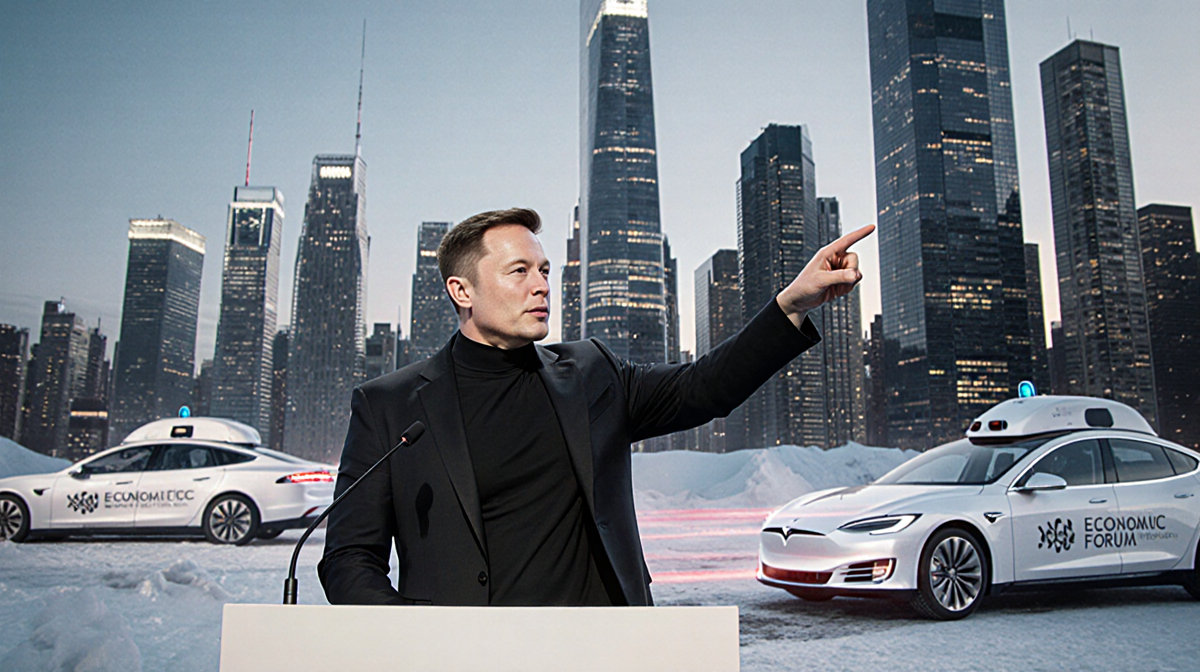
During a World Economic Forum session in Davos, Switzerland, Musk declared that Tesla had solved the autonomy problem. He stated, “I think self-driving cars is essentially a solved problem at this point,” and added that Robotaxis would be “very widespread by the end of this year within the U.S.”
These statements are at odds with the evidence from the trail car videos. Musk’s framing-saying the Robotaxis are “with no safety monitor in the car”-is technically correct, yet it overlooks the fact that a human observer remains nearby and can intervene.
Comparison to Waymo
Waymo, a leader in autonomous vehicle technology, operates a fleet of 2,500 cars without a physical driver in the cabin. Tesla, by contrast, reportedly runs about 80ish Robotaxis in total, with only a handful active simultaneously.
| Metric | Tesla | Waymo |
|---|---|---|
| Fleet size | ~80 | 2,500 |
| Human presence | Trail car nearby | Remote operator available |
| Deployment scale | Limited to Austin | Nationwide |
The disparity highlights that Tesla’s autonomous capability is still far from the level achieved by Waymo.
Implications for the Public and Regulators
If Tesla’s Robotaxis truly operate with a nearby human observer, the company’s narrative of “full autonomy” may mislead consumers and regulators. The presence of a trail car suggests that the system is not yet capable of handling all scenarios independently.
- Traffic impact: Each ride adds an extra vehicle to the road, potentially increasing congestion.
- Safety perception: Users may overestimate the safety and reliability of the service.
- Regulatory scrutiny: Authorities may demand clearer disclosure of operational limitations.
Key Takeaways
- Tesla’s announcement about removing the safety monitor is misleading; the human observer has simply moved to a trailing vehicle.
- Trail car footage demonstrates that Tesla’s autonomous technology is not yet fully independent.
- Musk’s claims of widespread, fully autonomous Robotaxis by year-end are contradicted by current operational data.
- The difference in fleet size and human involvement between Tesla and Waymo underscores the gap in autonomous readiness.
- Public trust and regulatory approval may hinge on transparent communication about real capabilities.
Tesla’s Robotaxi program remains a fascinating case study in how companies present technological progress. As the industry moves toward higher levels of autonomy, the line between marketing and reality will become increasingly critical.