At a Glance
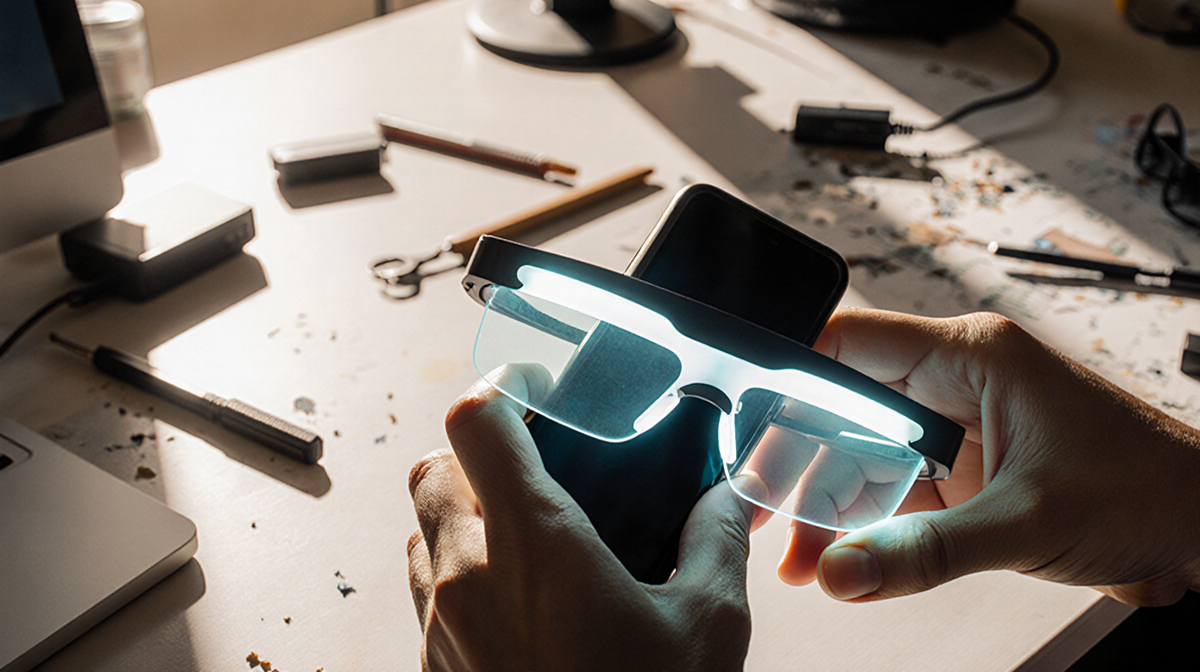
- smart glasses are pivoting toward accessibility at CES 2026.
- eSight Go offers up to 24x magnification for central vision loss.
- Cearvol’s NeuroFlow AI 2.0 enhances speech while reducing background noise for the hard of hearing.
Why it matters: These devices could become the most practical use of wearable tech, helping millions see and hear better.
Smart glasses have long been marketed as a futuristic accessory, but the latest wave of products shows a different focus. At CES 2026, the spotlight shifted to how these wearables can serve people with sensory impairments. The conversation moved from gaming and productivity to real-world assistance.
CES 2026: A New Frontier for Wearable Accessibility
CES 2026 was packed with demos that highlighted the potential of smart glasses to improve daily life. The event showcased a range of devices, each targeting a specific need. While some products leaned into entertainment, the most compelling were those aimed at vision and hearing.
Vision Innovation: eSight Go
eSight, a company with a history of vision-enhancing tech, introduced the eSight Go at the show. The device is FDA-registered and designed to process images in real time. It shifts visual information to the periphery of a dual OLED display, where users with central vision loss can still see.
The eSight Go offers several adjustable features:
- Up to 24x magnification to enlarge small text or distant objects.
- Image stabilization to reduce motion blur during walking.
- Contrast enhancement for better differentiation of colors and shapes.
- Color adjustment to aid reading in low-light or bright conditions.
These capabilities are tailored to help users navigate everyday environments, from reading a menu to recognizing street signs. The dual OLED display provides a lightweight, unobtrusive form factor that fits comfortably behind the eyes.
Hearing Innovation: Cearvol’s NeuroFlow AI 2.0
Cearvol presented its NeuroFlow AI 2.0 technology as a companion for smart glasses. The system attaches to a pair of glasses and uses built-in microphones to capture ambient sound. A neural network analyzes the acoustic environment in real time.
Key functions include:
- Speech enhancement to make voices clearer during conversations.
- Background noise reduction to isolate the speaker from surrounding sounds.
- Voice-level adjustment that reduces the wearer’s own voice, creating a more natural dialogue.
Unlike traditional hearing aids that sit in the ear, this solution sits on the glasses, making it a more discreet option for those who already wear eyewear daily. The technology addresses a common complaint: the inconvenience of carrying multiple devices.
Meta’s Accessibility Push
Meta’s Ray-Ban AI line also made waves at CES 2026. The brand launched features such as “conversation focus,” which uses built-in microphones to amplify spoken words. This addition aligns with Meta’s broader strategy of integrating AI into everyday accessories.
Meta’s approach emphasizes user control: the wearer can toggle focus on or off with a simple gesture. The feature is designed to help users follow discussions in noisy settings, like conferences or restaurants.
Beyond Accessibility: General-Purpose Features
While accessibility remains a central theme, other companies explored general-purpose uses. Some smart glasses offer real-time translation, turning menus in foreign languages into the wearer’s native tongue. Others provide augmented reality overlays for navigation or gaming.
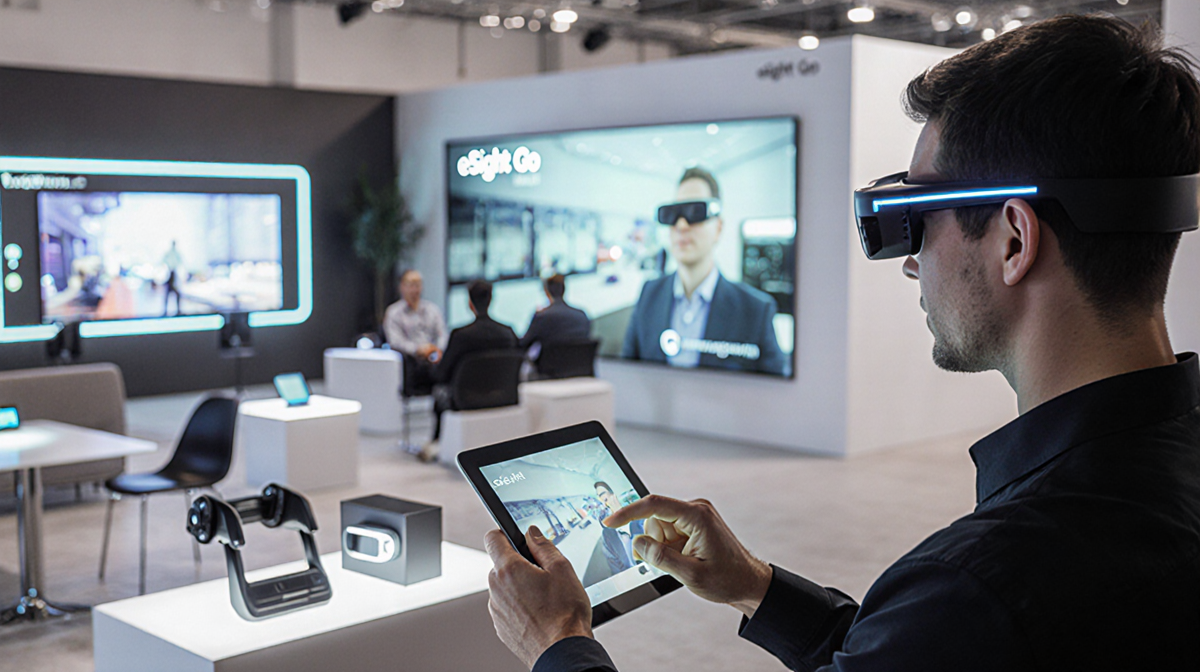
The common thread across these devices is the use of computer vision to interpret surroundings. By combining AI and cameras, the glasses can identify objects, read text, and even detect motion without the wearer needing to look directly at a screen.
The Market and Future Outlook
The push toward accessibility suggests a shift in consumer expectations. People with sensory impairments are increasingly demanding tech that integrates seamlessly into daily life. The current wave of products indicates that manufacturers see a growing market.
Industry observers note that the most successful smart glasses will likely be those that solve a tangible problem. The devices highlighted at CES 2026 demonstrate that vision and hearing aids can be reimagined as wearable tech.
Key Takeaways
- The latest smart glasses focus on real-world assistance rather than entertainment.
- eSight Go offers up to 24x magnification and image stabilization for low-vision users.
- Cearvol’s NeuroFlow AI 2.0 enhances speech and reduces background noise for the hard of hearing.
- Meta’s Ray-Ban AI introduces conversation focus for clearer dialogue in noisy environments.
- Accessibility features may become the most valuable selling point for future wearable tech.
These innovations illustrate how wearable devices can move beyond novelty to become essential tools for millions.