In a move that underscores the Trump administration’s growing influence in Central America, the U.S. State Department revoked the visa of a Honduran election magistrate and denied a visa for another, citing interference in the country’s special vote count.
U.S. Visa Actions
The State Department announced on Friday that it had revoked the visa of Mario Morazán, a magistrate of the Electoral Justice Tribunal, and denied a visa application from Marlon Ochoa, a member of the National Electoral Council. Both officials belong to the left-leaning LIBRE, or Liberty and Refoundation, party. The statement read: “The United States will not tolerate actions that undermine our national security and our region’s stability,” the statement said. “We will consider all appropriate measures to deter those impeding the vote count in Honduras.”
Honduran Election Context
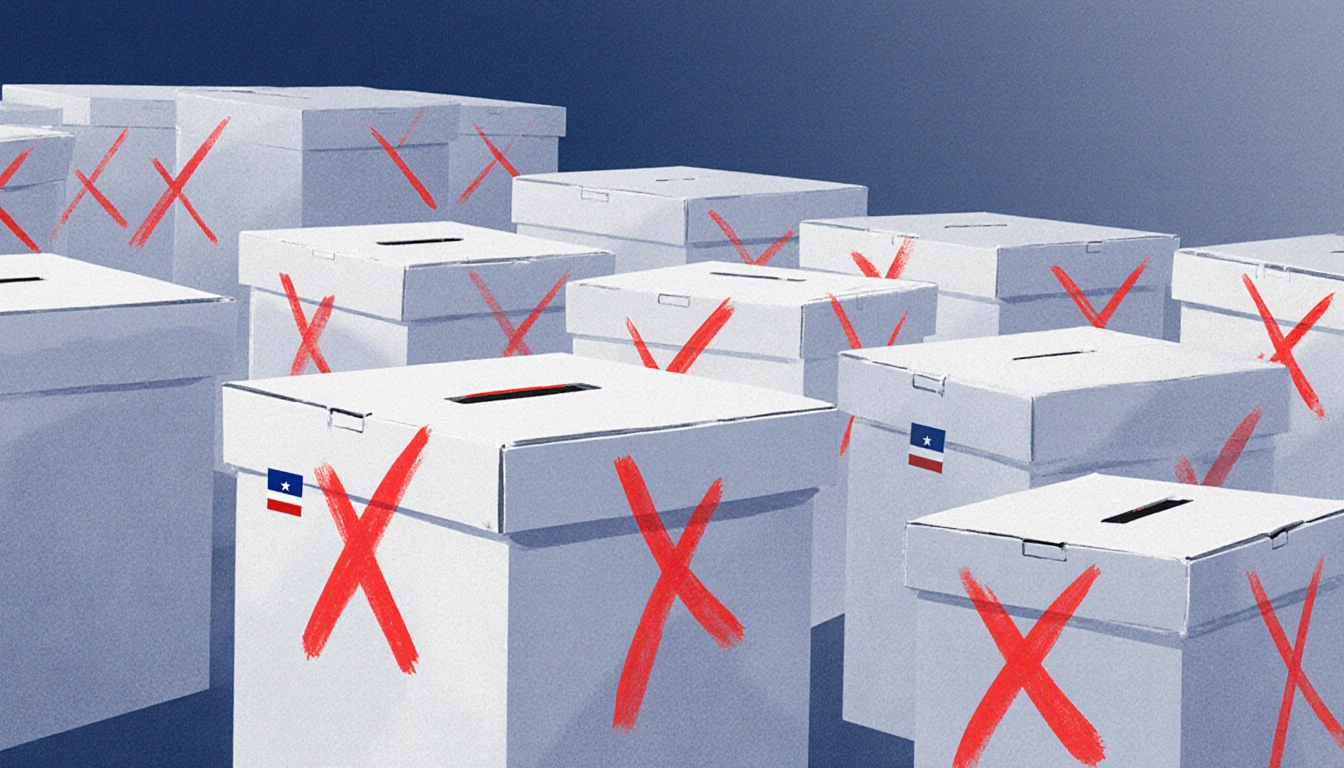
Nearly 20 days after the presidential election, Hondurans still do not know the final results. Because the margin between the top two candidates is narrow, electoral officials have launched a special revision of 2,792 ballot boxes that show alleged inconsistencies and errors. The special vote count began on Thursday after more than a week of the overall count being paralyzed.
Current Vote Totals
With 99.85% of the vote counted so far, conservative candidate Nasry Asfura of the National Party-whom President Donald Trump had backed during the campaign-holds a narrow lead with 40.24% of the vote. Fellow conservative Salvador Nasralla of the Liberal Party follows with 39.64%. The ruling party’s candidate, Rixi Moncada of Liberty and Refoundation, is in distant third place with 19.12% and has not recognized the results.
Political Repercussions
The visa revocations are part of a broader pattern in which the Trump administration has taken a hard line on left-leaning Latin American governments. By restricting travel for officials deemed hostile, the U.S. signals its willingness to use diplomatic tools to influence regional politics.
Trump’s Latin America Strategy
Over the past year, the administration has applied punitive pressure to adversaries while offering support and funds to right-wing allies. This approach has been more aggressive than most U.S. governments in recent history. The visa actions against Honduran officials fit within that strategy.
Additional Context: Presidential Pardons
The article notes that Trump had also pardoned former Honduran President Juan Orlando Hernández, who was sentenced last year to 45 years in prison for his role in a drug-trafficking operation by a U.S. court. The pardon added another layer of controversy to the U.S. involvement in Honduran politics.
Key Takeaways
- The U.S. revoked Mario Morazán’s visa and denied Marlon Ochoa’s application, citing interference in Honduras’s vote count.
- Nasry Asfura leads the presidential race with 40.24%, closely followed by Salvador Nasralla at 39.64%, while Rixi Moncada trails at 19.12%.
- The visa actions reflect Trump’s broader strategy of supporting right-wing allies and pressuring left-leaning governments in Latin America.
The revocations highlight the United States’ active role in shaping the outcome of Honduran elections and underscore the tension between U.S. national security interests and regional stability. As the vote count continues, observers will watch closely how these diplomatic moves influence the final results and the political landscape in Central America.