At a Glance
- Samsung Galaxy Z TriFold will launch in the U.S. on Jan. 30.
- It starts at $2,899 for 512GB storage in Crafted Black.
- The device folds from a 6.5-inch phone into a 10-inch tablet, offering DeX mode for a desktop-like experience.
Why it matters: The price and form factor position Samsung’s dual-hinge foldable as a premium option in a crowded market.
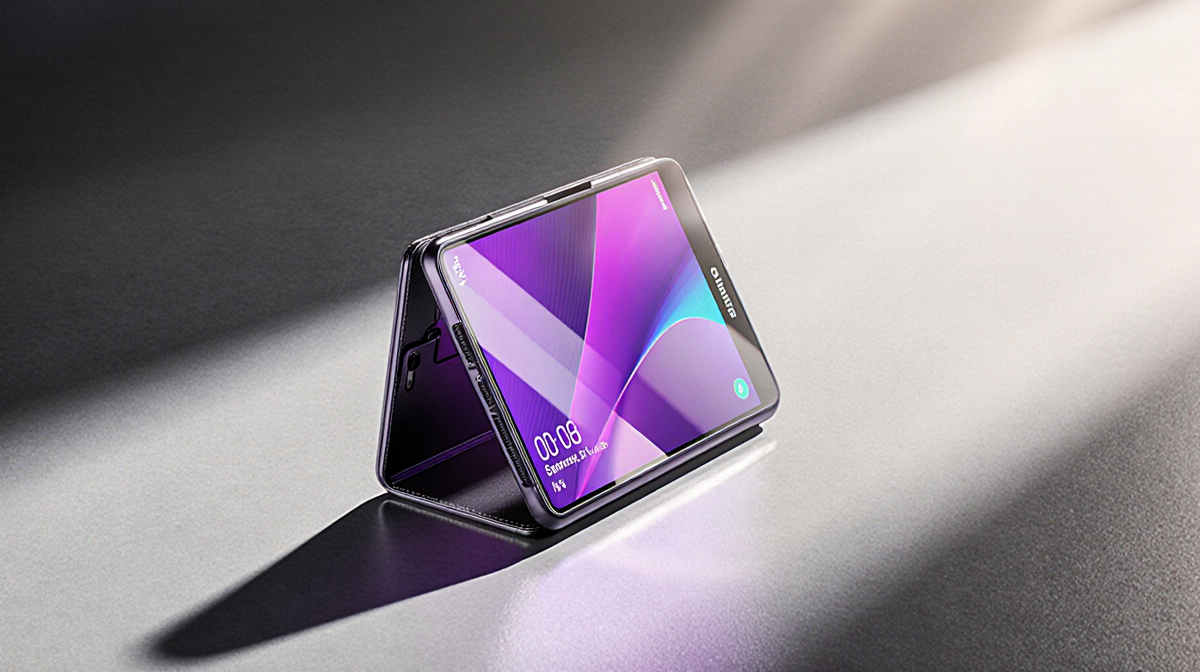
Samsung announced that its first dual-hinge foldable, the Samsung Galaxy Z TriFold, will be available in the United States on Jan. 30. The phone will be sold through Samsung.com and Samsung Experience Stores. The starting price of $2,899 applies to the 512GB storage variant in Crafted Black. This follows a December rollout in South Korea, China, Singapore, Taiwan, and the United Arab Emirates. The 512GB storage variant is the base model at launch, and the Crafted Black color gives the phone a sleek, industrial look.
Launch Details
Samsung’s U.S. release follows a global rollout that began in December. The device will be available both online and in physical Samsung Experience Stores, giving consumers multiple purchasing options. The phone was first introduced in South Korea, China, Singapore, Taiwan, and the UAE, where it was priced at the equivalent of about $2,446. Importers and reviewers in other markets found the device for around $3,000. For comparison, Samsung’s previous foldable, the Z Fold 7, sells for $2,000 retail. The U.S. launch on Jan. 30 positions the phone as a new premium offering in the foldable market.
| Market | Launch Month | Price (USD) |
|---|---|---|
| South Korea | December | ~$2,446 |
| United States | Jan. 30 | $2,899 |
| Other markets (imports) | – | ~$3,000 |
The U.S. launch is scheduled for Jan. 30, with the phone available online and in physical stores. The 512GB storage variant is the base model offered at the launch price.
Design & Build
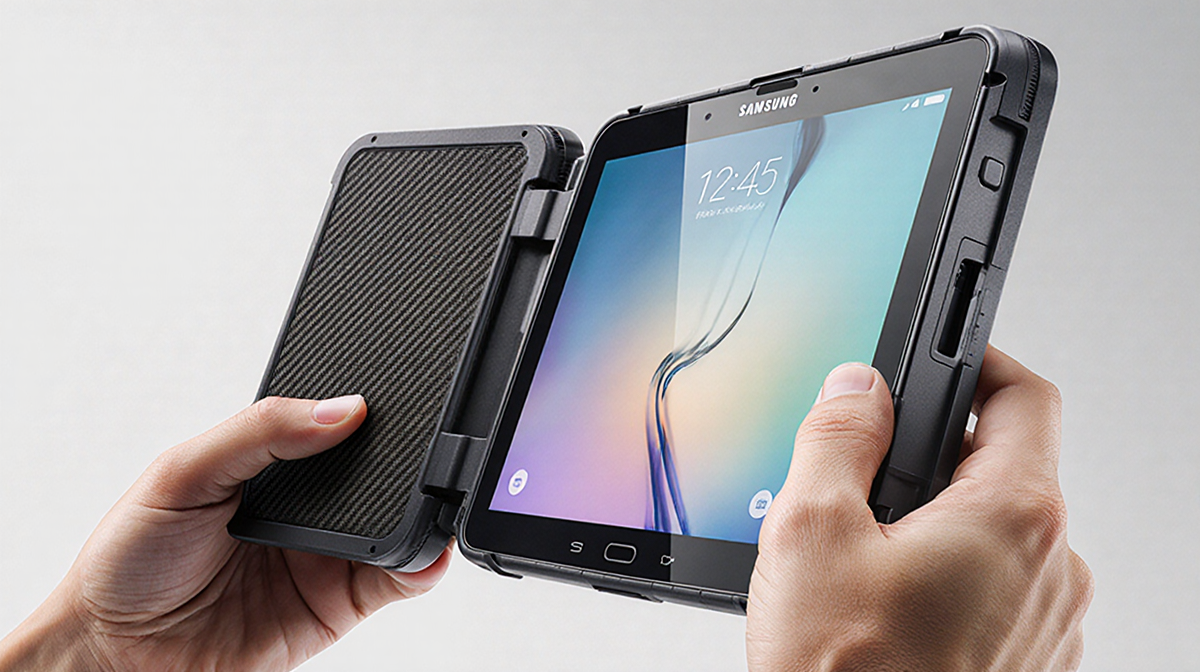
The Z TriFold’s exterior finish is described as resembling carbon fiber, with a grippy texture that helps prevent it from slipping out of the hand. The dual-hinge design allows the device to unfold from a 6.5-inch phone into a 10-inch tablet. Compared to the slimmer Z Fold 7, the TriFold is chunkier and heavier, a trade-off for its larger display. The dual-hinge system provides stability when the phone is in tablet mode, ensuring that the screen remains flat and the hinge does not wobble. The device’s heavier and chunkier profile is a direct result of its larger 10-inch display. Compared to the Z Fold 7, the TriFold’s increased thickness and weight are noticeable but do not compromise structural integrity.
Key Design Features
- Dual-hinge mechanism that supports two separate angles
- Carbon-fiber-like finish for a premium look
- Grippy texture on the outer shell for better grip
- 6.5-inch phone mode for everyday use
- 10-inch tablet mode for content consumption
The device’s dual-hinge system provides stability when the phone is in tablet mode, ensuring that the screen remains flat and the hinge does not wobble.
Performance
Under the hood, the Z TriFold is powered by a Qualcomm Snapdragon 8 Elite for Galaxy chipset and comes with 16GB of RAM. The processor and memory configuration are aimed at ensuring smooth multitasking and gaming performance. The Snapdragon 8 Elite for Galaxy chipset is Samsung’s flagship processor for foldable devices, ensuring high-end performance across applications. The 16GB of RAM allows the phone to run multiple demanding apps simultaneously without lag.
Core Specifications
- Processor: Qualcomm Snapdragon 8 Elite for Galaxy
- RAM: 16GB
- Storage: 512GB (base model)
The high-end chipset and large memory allocation are designed to handle demanding applications, from gaming to augmented reality.
Camera
The phone’s rear camera array consists of three lenses: a 200-megapixel main sensor, a 12-megapixel ultrawide lens, and a 10-megapixel 3× telephoto unit. Both the external screen and the folding display feature a 10-megapixel hole-punched camera. The 200-megapixel main sensor captures detailed images, while the 12-megapixel ultrawide lens provides broader framing. The 10-megapixel telephoto lens offers 3× optical zoom, enabling closer shots without loss of detail. The front 10-megapixel cameras on both displays support selfies and video calls.
- Main: 200MP
- Ultrawide: 12MP
- Telephoto: 10MP (3× zoom)
- Front cameras: 10MP on both external and internal displays
The 200-megapixel main sensor delivers high-resolution images, while the ultrawide and telephoto lenses provide versatility for different shooting scenarios.
Battery & Charging
The Z TriFold houses a 5,600mAh battery that supports 45W fast charging. It also includes built-in 15W wireless charging. The 5,600mAh battery is designed to support the phone’s high-resolution display and powerful processor. 45W fast charging reduces charging time, while 15W wireless charging offers convenience for users who prefer cable-free charging.
- Battery capacity: 5,600mAh
- Fast charging: 45W
- Wireless charging: 15W
The fast-charging capability allows the device to recharge quickly, while the wireless charging option provides convenience for users who prefer cable-free charging.
Pricing & Market Position
The $2,899 price point places the TriFold firmly in the premium segment. Samsung’s strategy appears to target users who value a larger screen that can double as a tablet. The device’s higher cost is justified by its larger display and advanced camera system, but it remains a steep price for many consumers. Samsung’s pricing strategy aligns the TriFold with high-end devices, targeting users who prioritize screen size and camera performance. The price is noticeably higher than the Z Fold 7, reflecting the TriFold’s larger display and advanced camera system. The price difference between the U.S. launch and the South Korean launch is approximately $453, reflecting regional pricing variations. Importers in other markets found the phone for around $3,000, indicating that the U.S. launch price is lower than some imported prices.
User Experience
When the phone unfolds, the 10-inch tablet mode offers a substantial increase in screen real estate. This makes it easier to watch videos, play games, or run multiple apps side by side. The DeX mode allows the device to function similarly to a desktop, providing a desktop-like experience on a foldable form factor. DeX mode transforms the device into a desktop-like interface, allowing users to run multiple apps in split-screen view. The 10-inch tablet mode enhances multitasking, making it easier to manage documents, spreadsheets, and media. The dual-hinge foldable offers a unique workflow: users can start a task on the phone and then switch to tablet mode to continue the same task with more screen space. This flexibility is a key selling point for productivity-focused consumers.
Comparison to Z Fold 7
- Display: TriFold – 10-inch tablet; Fold 7 – 7-inch foldable
- Weight: TriFold – heavier; Fold 7 – lighter
- Price: TriFold – $2,899; Fold 7 – $2,000
- Camera: TriFold – 200MP main; Fold 7 – 120MP main
The TriFold’s larger screen and higher-resolution main camera set it apart from the Fold 7, but the increased weight and price may limit its appeal. The device also offers a more advanced camera array, with a 200-megapixel sensor that is higher than the 120-megapixel sensor found on the Fold 7. The TriFold’s heavier build is offset by its increased screen real estate and higher-resolution camera. The price difference of $899 places the TriFold in a more premium bracket.
Conclusion
Samsung’s Galaxy Z TriFold arrives in the U.S. with a high-end price tag and a form factor that expands from a phone into a tablet. While it offers significant upgrades over the Z Fold 7, the device’s cost and heft may deter many buyers. The market will soon determine whether the dual-hinge foldable can justify its premium price. The TriFold’s introduction will test Samsung’s ability to compete in the premium foldable market, where consumers weigh price against features. Its success will influence future foldable designs and pricing strategies.
© Fiona Z. Merriweather / News Of Austin