At a Glance
- Alamo Drafthouse plans to replace paper tickets and call buttons with QR code ordering.
- The move has triggered a strong customer response and a petition that has gathered 4,000 signatures.
- The Austin Film Critics Association has publicly opposed the change.
Why it matters: The decision raises concerns about screen-time distractions, staff job security, and accessibility for patrons who rely on traditional ordering methods.
The recent announcement that the Alamo Drafthouse is eliminating its pen-and-paper ordering and in-seat call buttons has met with an overwhelming backlash from customers. Now the Austin Film Critics Association has joined the chorus by releasing a statement that calls for the Alamo Drafthouse and its owners, Sony Pictures Entertainment, to reverse this decision.
The Change
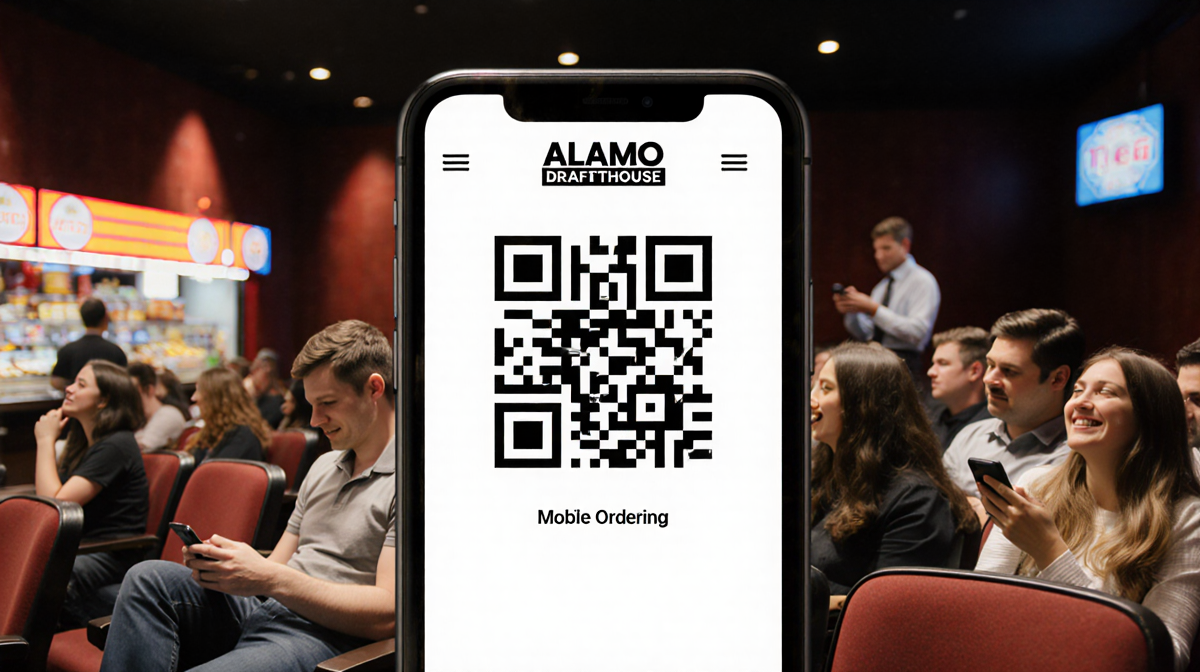
On January 10, the Drafthouse announced a shift to ordering via QR code. Management explained that the new system would reduce distractions during screenings and that staff would still be available to assist with any issues. The company positioned the change as a technological upgrade aimed at streamlining the ticket-and-service process.
Customer and Staff Reactions
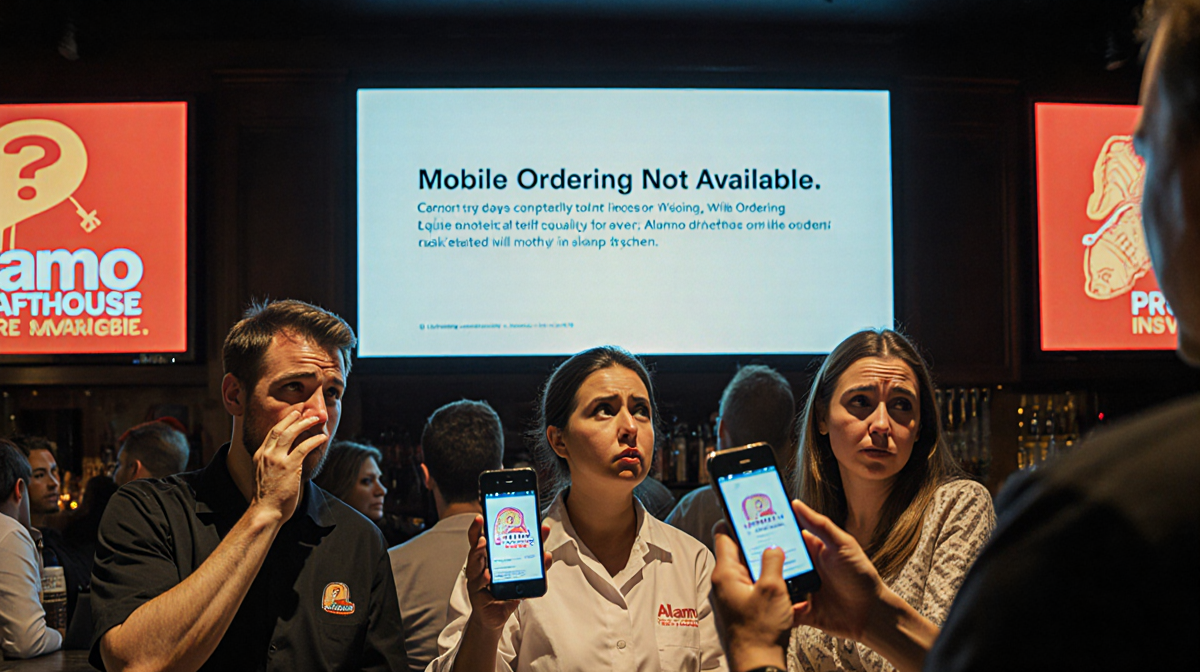
The response online has been wholly negative. Patrons argue that the change reverses the Drafthouse’s long-standing policy of banning phone usage during screenings. Staff members worry that a nationwide rollout in February could lead to a loss of jobs.
Social media has become a forum for protest. The company’s LinkedIn page has seen complaints and calls for the old system to be reinstated. A Change.org petition promoted by the workers’ union Alamo United has already gathered more than 4,000 signatures.
Key Concerns
- Increased distraction: Patrons fear that forced phone use during films will break the immersive experience.
- Job loss: Staff worry that automation will replace human interaction.
- Accessibility: Customers with disabilities or those who lack smartphones may be disadvantaged.
- Potential piracy: The new system could enable easier sharing of copyrighted content.
AFCA’s Response
The Austin Film Critics Association (AFCA) issued a statement condemning the plan. The statement highlighted the Drafthouse’s mission of providing a disturbance-free environment and criticized the shift as the antithesis of that mission. AFCA also warned that the new process could put staff in an impossible position of policing phone usage.
AFCA’s statement emphasized that the change is discriminatory against:
- Those without or unwilling to use smartphones.
- Customers who prefer or require cash or non-digital payment methods.
- Patrons with visual impairments who rely on accessible features.
The critics association called on public relations partners to join in condemning the shift and urged careful scheduling of press and promotional screenings.
Broader Implications
The controversy touches on broader themes of how technology intersects with cultural institutions. While the Drafthouse’s goal of reducing distractions is understandable, the backlash shows that audiences value the tactile, low-tech experience that has defined the brand. Moreover, the potential impact on staff livelihoods and the accessibility of services raises questions about the social responsibilities of entertainment venues.
The situation also illustrates the power of collective action. A petition with thousands of signatures and a vocal critics association demonstrate that changes perceived as detrimental to the customer experience can quickly mobilize public opinion.
Key Takeaways
- The Alamo Drafthouse’s QR code ordering plan has sparked significant backlash.
- Customers and staff fear increased distraction, job loss, and accessibility issues.
- The Austin Film Critics Association has publicly opposed the change, citing mission conflict and discrimination.
- The controversy highlights the tension between technological efficiency and preserving a unique customer experience.
As the situation unfolds, the Drafthouse’s next steps will likely be scrutinized by both patrons and industry observers. The outcome may influence how other cinemas approach technology and customer service.