Idalia Bisbal, a 67-year-old retiree who moved from New York City to Allentown, Pennsylvania, in search of a cheaper life, now says the reality is far from what she imagined.
She was sipping coffee at the Hamilton Family Restaurant when Vice President JD Vance, who had just rallied Republicans in a nearby suburb, addressed the crowd. Vance acknowledged the affordability crisis, blamed the Biden administration, and promised better times. He later served food to men experiencing homelessness in Allentown.
The visit comes amid a broader White House push to counter economic anxiety that grips both parties. A recent Associated Press-NORC poll shows only 31% of U.S. adults approve of how Trump is handling the economy, down from 40% in March.
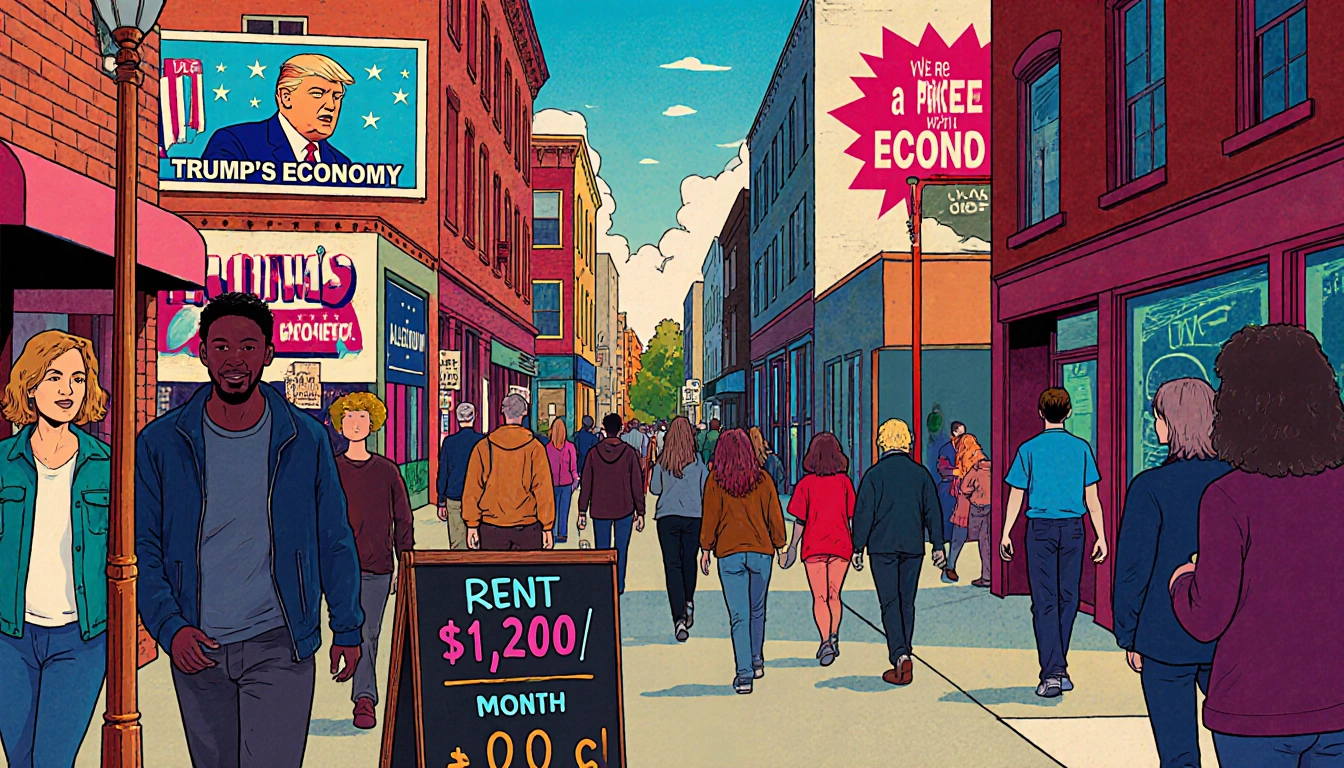
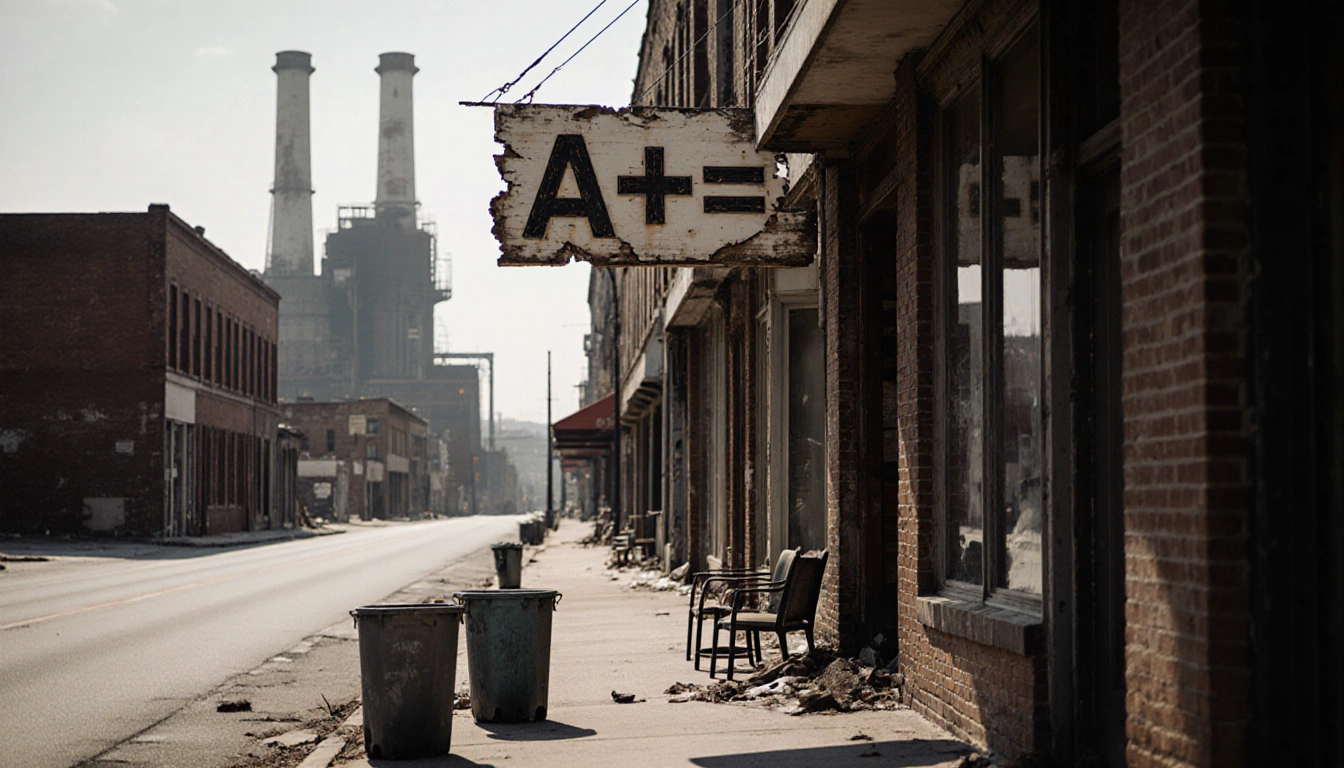
Trump has dismissed affordability concerns as a “hoax” and awarded the economy an “A++++++” grade, a view Vance reiterated at the rally. Bisbal, who calls herself a “straight-up Democrat,” scoffed, saying, “In his world…In our world, trust me, it’s not an ‘A.’ To me, it’s an ‘F,’ ‘F,’ ‘F,’ ‘F,’ ‘F,’ ‘F.'”
Allentown, with about 125,000 residents, anchors Pennsylvania’s third-largest metro area, the Lehigh Valley. In a dozen interviews this week with local officials, business leaders, and residents, one point was clear: prices are too high. Some cited gas, others grocery stores, health care, or housing.
Tony Iannelli, president and CEO of the Greater Lehigh Valley Chamber of Commerce, called Trump’s grade a “stretch” and said the economy is strong but not yet robust. Tom Groves, a health-and-benefits consultant, rated the economy a “B+” and blamed the Affordable Care Act and market volatility. Joe Vichot, chairman of the Lehigh County Republican Committee, described Trump’s grade as a colloquialism.
Pat Gallagher, retired and living with her daughter, also relies on Social Security and noted rising grocery prices. She said, “I get so frustrated with hearing about the politics,” reflecting a shared sense of exhaustion over endless political combat.
Allentown has long been a front-row seat to national politics, from Billy Joel’s 1982 song to recent presidential campaigns. Mayor Matt Tuerk recalled the constant race, noting that every election brings new attention. Some businesses and residents declined to discuss politics after past backlash, but the town remains a political battleground for the next midterms.
In the House, U.S. Rep. Ryan Mackenzie, who unseated a three-term Democrat, faces a vulnerable reelection bid. He criticized Bidenomics and joined a trio of Republicans to force a vote on extending health-care subsidies. Vichot called Mackenzie an “underdog” and said the health-care move signals compassion for voters.
Lehigh County swung toward Trump last year, with Harris winning by only 2.7 points, the narrowest margin for a Democrat since 2004. Democrats, buoyed by a strong county executive race, are eager to reclaim the congressional seat. Gov. Josh Shapiro endorsed firefighter union head Bob Brooks for the May primary.
The Uline distribution factory where Vance spoke is owned by a family that has made large GOP donations, while a nearby Mack Trucks facility cut about 200 employees this year, a decision partly driven by Trump-era tariffs. Shapiro highlighted this during Vance’s visit.
Allentown’s image as a manufacturing town is changing. The downtown core now features row homes, trendy hotels, a modern arena for the Lehigh Valley Phantoms, and concerts by major artists. Latino communities now form a majority, and Mayor Tuerk said, “This is a place of rapid change…we’re going to see a lot more change.” The town’s evolving demographics and economic landscape underscore the urgency of addressing affordability.
Key Takeaways
- Rising prices are a shared concern across Allentown’s residents, officials, and business leaders.
- Political rhetoric on the economy varies widely, from Trump’s optimistic grades to local leaders’ criticisms.
- Allentown’s demographic shift and political significance make it a focal point for the upcoming midterms.
The story illustrates how national economic narratives intersect with local realities, leaving residents like Idalia Bisbal questioning whether the promised better times will arrive.