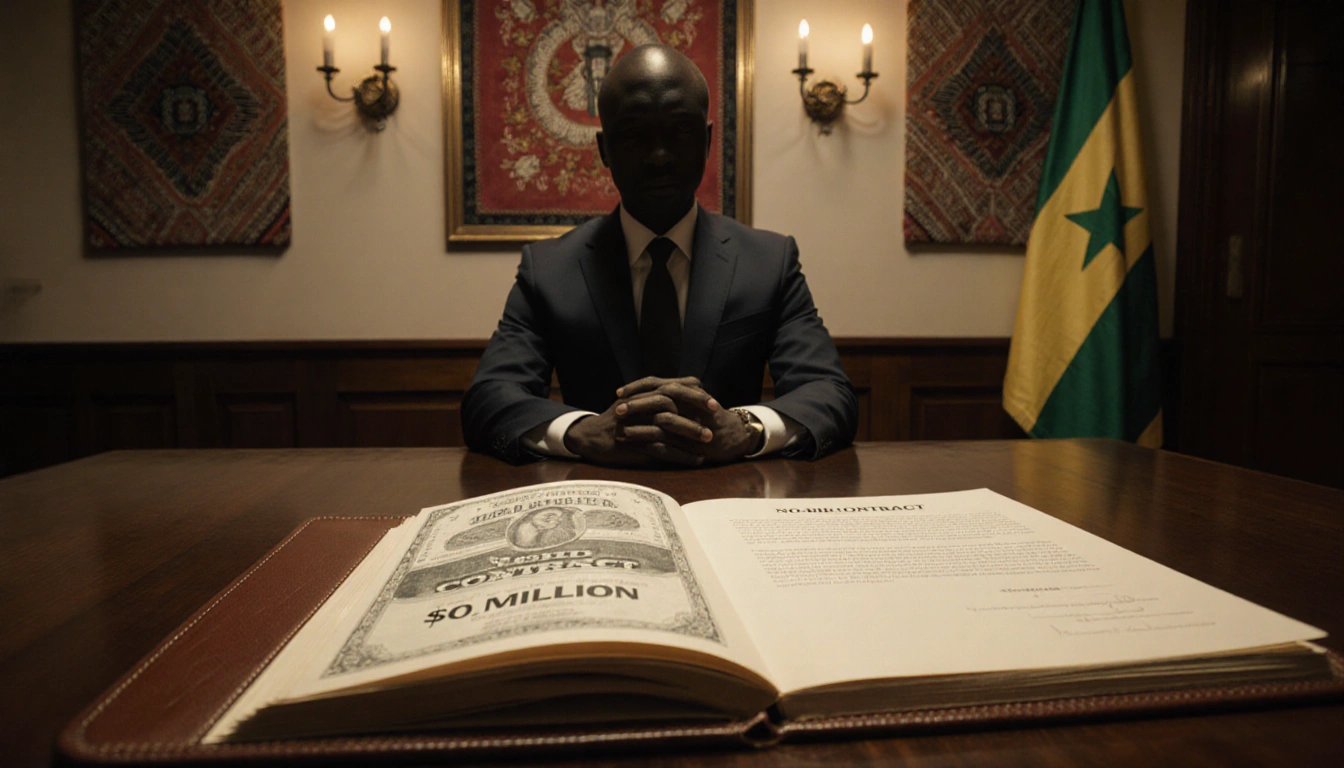
The Trump administration has awarded a $1.6 million, no-bid contract to a Danish university for a hepatitis B vaccine study on newborns in Guinea-Bissau, sparking ethical debate.
Contract Details
The Centers for Disease Control and Prevention (CDC) awarded the grant to the University of Southern Denmark. The funding covers a five-year project that will enroll 14,000 infants. The study will begin early next year in Guinea-Bissau, a West African country where hepatitis B infection is common.
Study Design
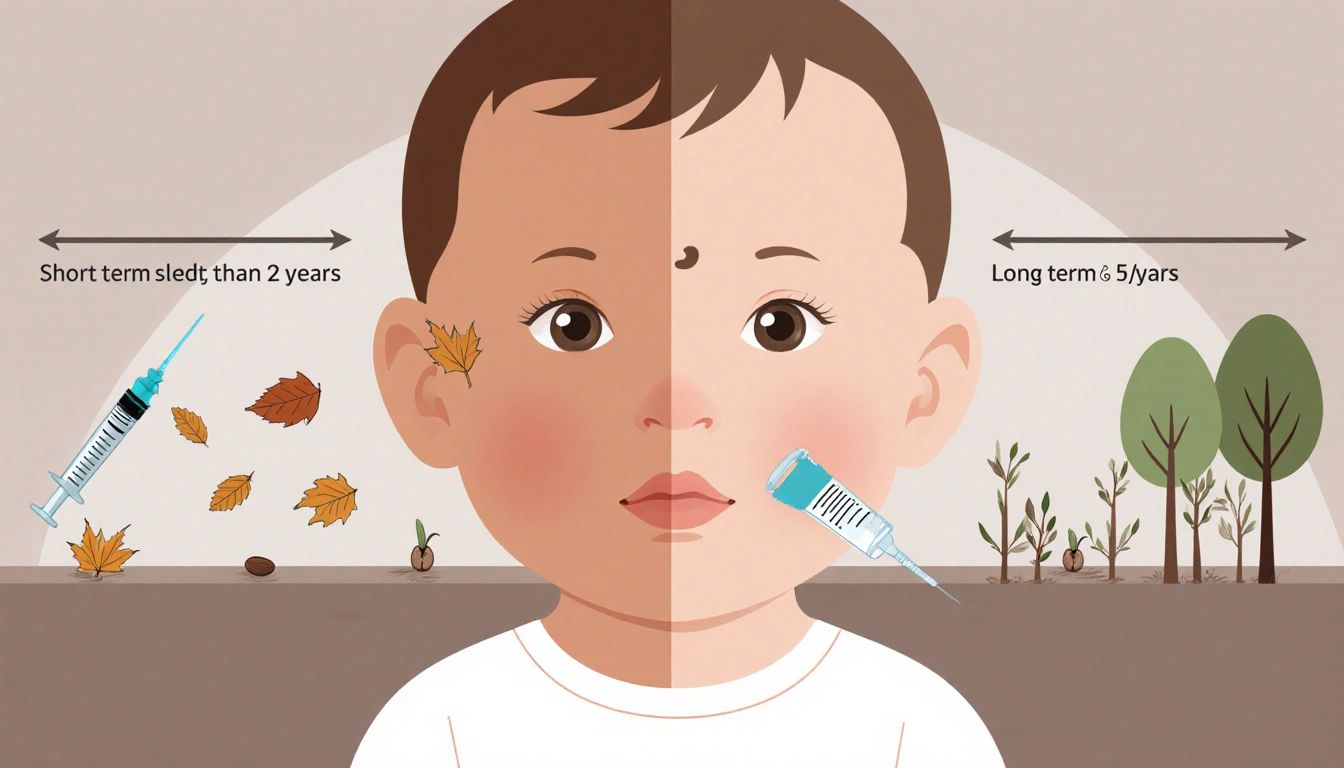
The trial is a randomized controlled design. Some infants will receive the hepatitis B vaccine at birth, while others will not. Children will be monitored for death, illness, and long-term developmental outcomes. Most participants will be followed for less than two years to assess side effects, but the first 500 enrolled will be tracked for five years to examine behavior and brain development. The protocol, obtained by the Associated Press, specifies that no placebo will be used.
Key Players
- Christine Stabell Benn – Lead scientist and consultant for a committee appointed by U.S. Health Secretary Robert F. Kennedy Jr. The committee recently voted to stop recommending a universal birth dose of hepatitis B vaccine for all U.S. newborns.
- Peter Aaby – Benn’s husband and co-researcher.
Ethical Concerns
The study has drawn criticism for withholding a proven vaccine from newborns at high risk of infection. Dr. Boghuma K. Titanji, an infectious diseases doctor at Emory University, called the study “unconscionable” and warned it could “exacerbate existing vaccine hesitancy in Africa and elsewhere.” She added, “There’s so much potential for this to be a harmful study.”
Titanji compared the trial to the Tuskegee Study, noting the similarity of researchers watching people grow ill when a treatment could have prevented disease.
Reactions from Officials
The CDC did not announce a research funding opportunity and did not invite proposals. The award bypassed the customary ethics review within the CDC. A CDC official, speaking anonymously, said that Department of Health and Human Services (HHS) directed the agency to approve the contract and provide special funding.
In a statement, HHS spokesman Andrew Nixon said, “we will ensure the highest scientific and ethical standards are met.”
Other scientists have criticized the award. Carl Bergstrom, an evolutionary biologist at the University of Washington, posted, “Did RFK Jr. just call up the first name in the antivax yellow pages?” Dr. Angela Rasmussen, a virus expert at the University of Saskatchewan, wrote, “Kennedy was giving taxpayers’ money to his ‘cronies’ for a ‘grossly unethical study that will expose African babies to hep B for no reason.'”
Key Takeaways
- The U.S. government is funding a controversial hepatitis B vaccine study in Guinea-Bissau.
- The trial will withhold a proven vaccine from some newborns, raising ethical questions.
- The contract bypassed normal CDC review processes and was approved under HHS direction.
The study, which the researchers claim is the first of its kind, highlights tensions between public health policy, scientific research, and ethical oversight in global vaccine trials.