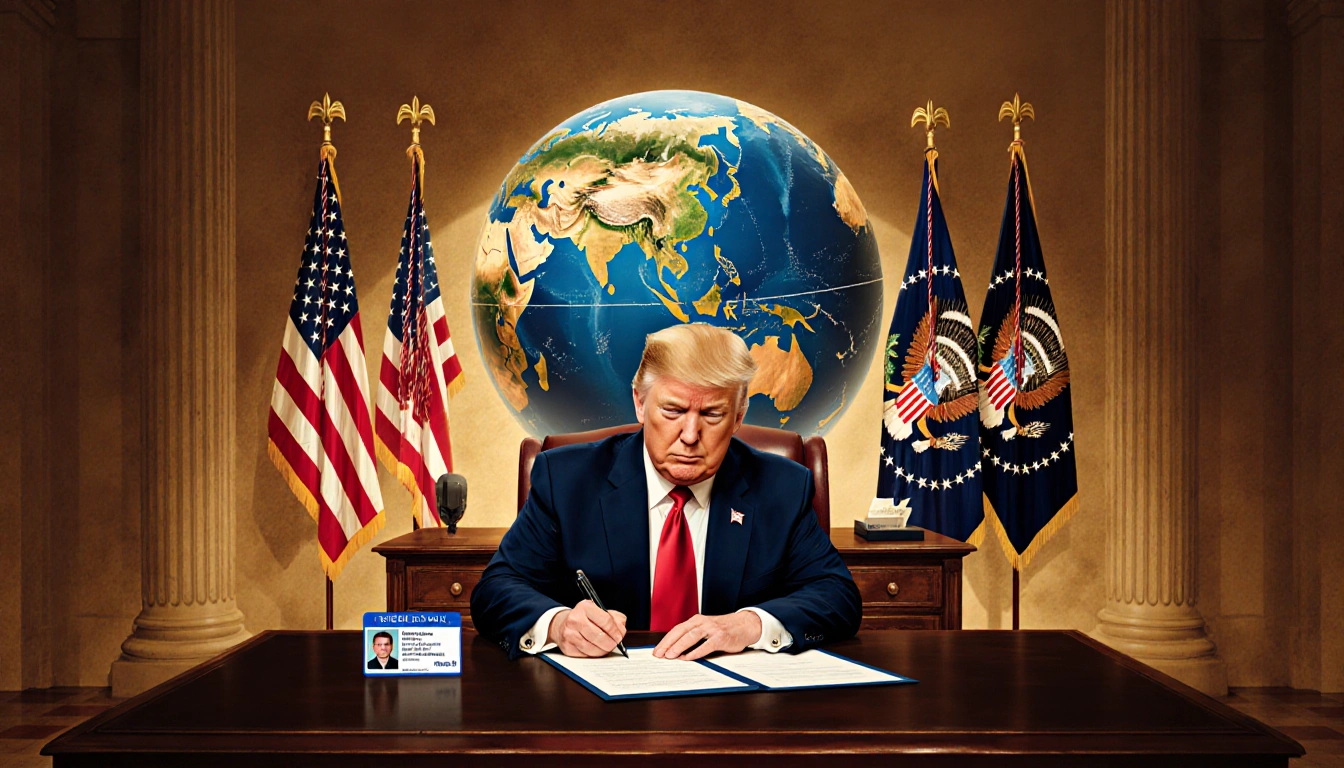

President Donald Trump signed an executive order this Thursday, directing NASA to land Americans on the moon by 2028. The order was signed on the same day Jared Isaacman, the newly confirmed NASA administrator, took office.
The Order and Its Purpose
The directive, titled “Ensuring American Space Superiority,” highlights the Artemis missions as the vehicle for American astronauts to travel to the moon and eventually to Mars. It signals a renewed commitment to maintaining leadership in space exploration.
Artemis II Timeline
NASA has set a target of April 2026 for the launch of Artemis II. This mission will carry astronauts into orbit around the moon, marking the farthest deep-space journey undertaken by humans to date.
Artemis III Ambition
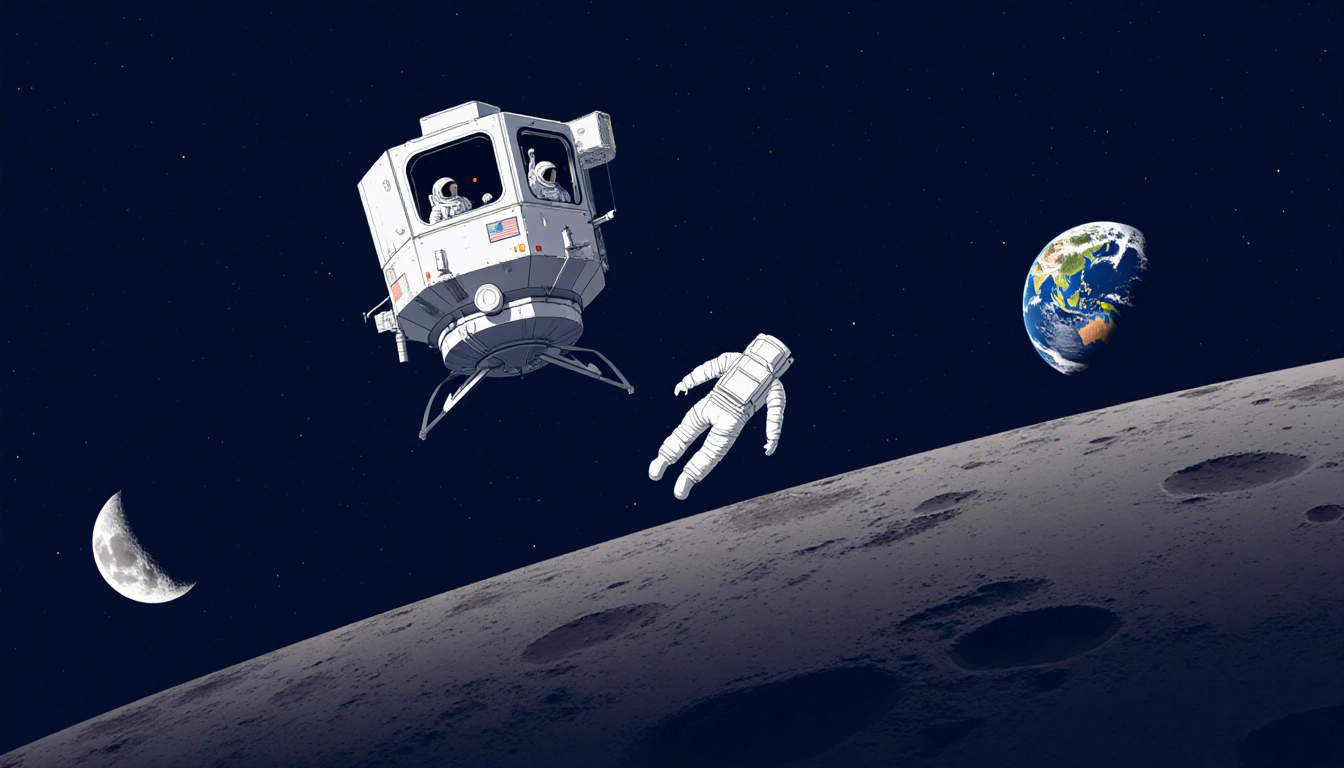
Artemis III is planned to land astronauts on the lunar surface for the first time in the 21st century. NASA’s website lists a launch window in mid-2027 for this historic event.
Congressional Skepticism
In a September hearing before the Senate Commerce Committee, former NASA Administrator Jim Bridenstine cautioned that the United States may not meet either the Artemis III launch date or China’s goal of a lunar landing by 2030.
Bridenstine’s Warning
“It is highly unlikely that we will land on the moon before China,” Bridenstine said in September. “We don’t have a landing system for the moon.”
Technical Challenges
Bridenstine blamed the lander architecture, which depends on SpaceX’s Starship. Over the past year, Starship has faced setbacks, including an explosion on a test stand in June as the company prepared for its tenth test flight.
Risk Assessment
“It’s a problem. It needs to be solved. And that puts us as a nation at risk of not being the first on the moon,” Bridenstine said in September.
Contract Adjustments
In October, then-acting NASA Administrator Sean Duffy-also Secretary of Transportation-announced plans to open the contract for a moon lander for Artemis III, citing delays with the SpaceX Starship.
Funding Push
Senator Ted Cruz (R-Texas) highlighted an additional $10 billion allocated for human space travel in the Big Beautiful Bill, which President Trump signed into law in July. “We’re going back to the moon. We’re going to beat China,” Cruz said in November.
Congressional Perspective
Representative Frank Lucas (R-Oklahoma), who just finished his term as Chair of the House Science and Space Committee, said the threat posed by China has spurred Congress to increase space investment.
Lucas on Funding and Influence
“For the last 20 years, there’s been a kind of low-balling by Congress in the funding of NASA,” Lucas said. “Whoever controls the off-world controls the future of the whole planet.”
Benefits to Earth
Lucas added that the investment in space travel would benefit people on Earth. “I would argue, had there never been a space program, we wouldn’t all be carrying smartphones and we certainly wouldn’t be carrying GPS equipment to know where we are,” he said.
Isaacman’s Statement
Shortly after taking office, Isaacman posted on X that NASA will “lead the peaceful exploration of space and we will NEVER come in second place.”
Key Takeaways
- President Trump’s executive order pushes NASA to land Americans on the moon by 2028.
- NASA’s Artemis II launch is slated for April 2026, with Artemis III targeting a mid-2027 launch.
- Technical and funding challenges, including reliance on SpaceX’s Starship and congressional budget constraints, are significant hurdles.
The combination of executive direction, congressional debate, and technical obstacles underscores the complexity of the United States’ lunar ambitions amid a growing global space race.