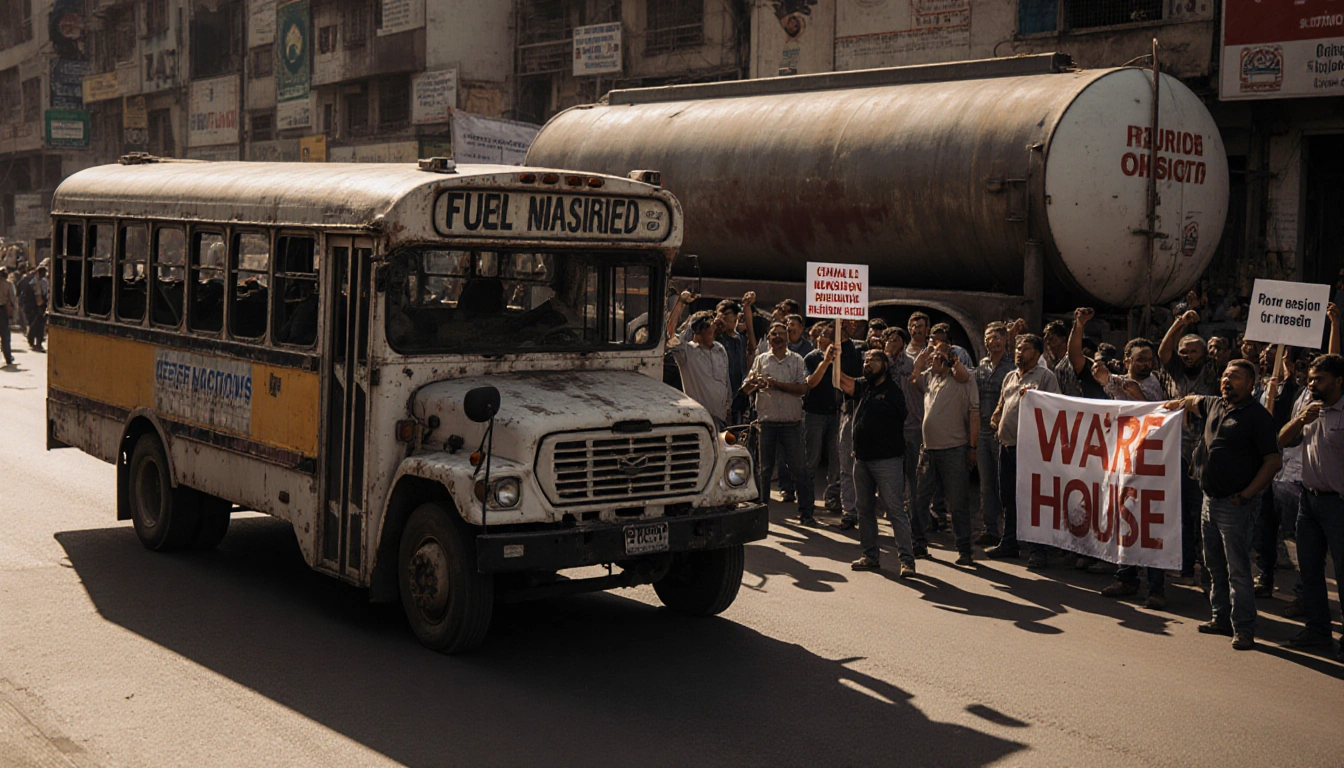
Bolivia’s largest cities froze as transport workers walked off the job, protesting a 100% hike in fuel prices that the new government has imposed.
The Strike and Its Immediate Impact
In La Paz and Santa Cruz, the streets halted on Friday as drivers and bus operators refused to work. Public transportation shut down, long lines formed at bus stops, and residents joined marches in the streets. Protesters blocked street corners in La Paz, while other cities saw buses abandoned and commuters stranded.
Voices of the Protesters
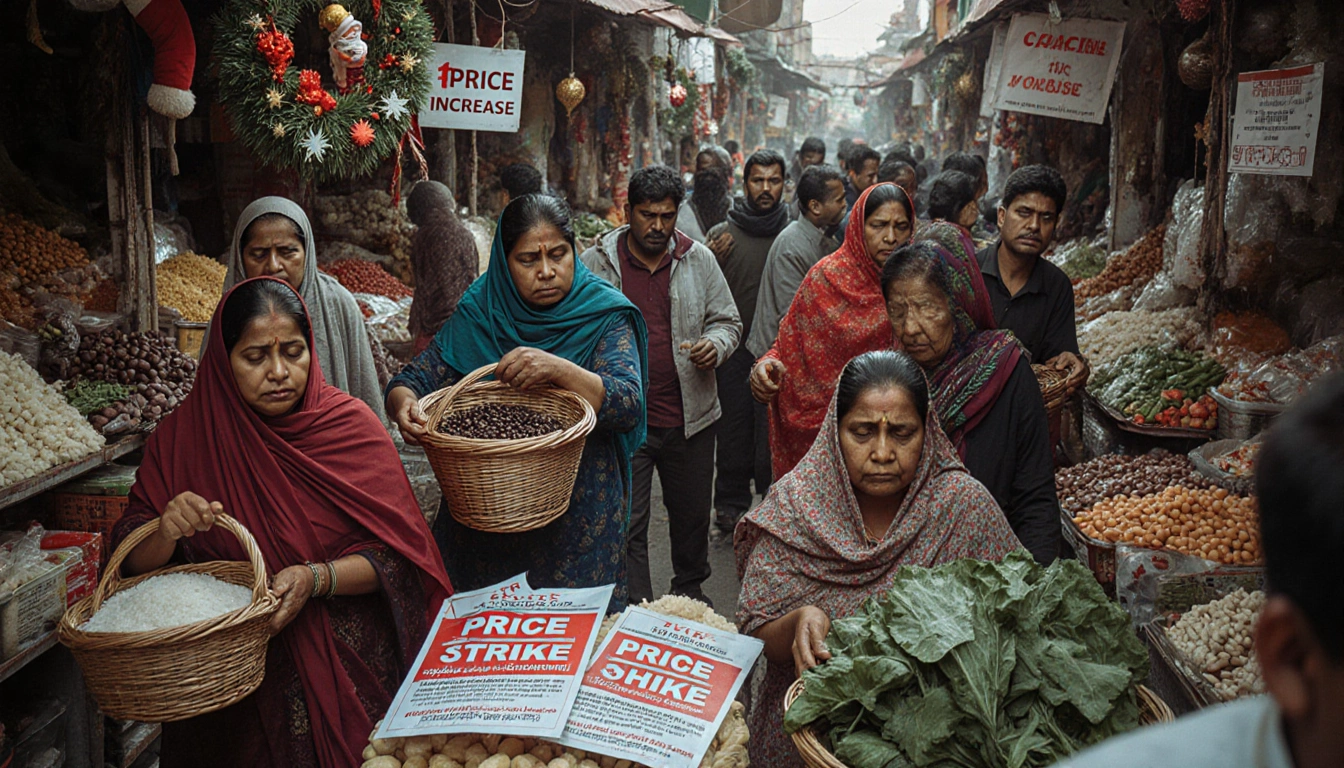
Union leader Edson Valdez warned that the unrest could spread nationwide if the government does not restore subsidies for gasoline and diesel. “The government has given the people the worst Christmas gift,” he said. Homemaker Natalia Rodríguez echoed the anger, saying, “Not only have transportation fares doubled, food prices are through the roof, they’ve risen again.” People crowded into markets to stock up before prices climb further.
Government’s Stance
Presidency Minister José Luis Lupo declared the decree “not negotiable.” “The decree will not be touched,” he said. “It is a painful measure, but it must be done. We will negotiate public service rates, but there is no other way.” The government has delegated negotiations over urban fares to mayors, leaving drivers to negotiate with their employers.
President Rodrigo Paz’s Justification
President Rodrigo Paz, who took office more than a month ago, said the country inherited “a country hurt in its economy, hurt in its reserves, without dollars, with rising inflation, without fuel and with a ransacked state.” Lupo added that the measures “close a populist cycle that encouraged waste and corruption, and now it is up to us to stabilize the economy to generate growth.”
Economic Context
The Ministry of Economy projects accumulated inflation to close the year at 22%, with a fiscal deficit of 12.5% of gross domestic product. Cutting fuel subsidies is expected to save $3 billion, which the office says will be redirected to investments. Bolivia has imported half of its gasoline and nearly all of its diesel for domestic use, selling it at half price and draining foreign-currency reserves. Fuel shortages have severely affected food production and pushed food prices higher.
Support from Business and the United States
The president’s package also includes a 20% wage increase and the preservation of social bonuses for poor sectors. Business leaders and the U.S. government have backed the measures. A delegation of U.S. business leaders met with Paz on Thursday to learn about the government’s plans for investors. The Legislative Assembly approved an initial $550 million loan from the Andean Development Corp. (CAF) to stabilize the economy and pay down debt.
Key Takeaways
- Bolivia’s transport workers are striking over a 100% fuel price hike, halting city traffic.
- The government insists the decree is final, citing economic stabilization and investment savings.
- U.S. business leaders and a CAF loan have joined the government’s effort to shore up the economy.
The situation remains tense as the government defends its policy and workers continue to protest, raising questions about the country’s economic future and the potential for wider unrest.