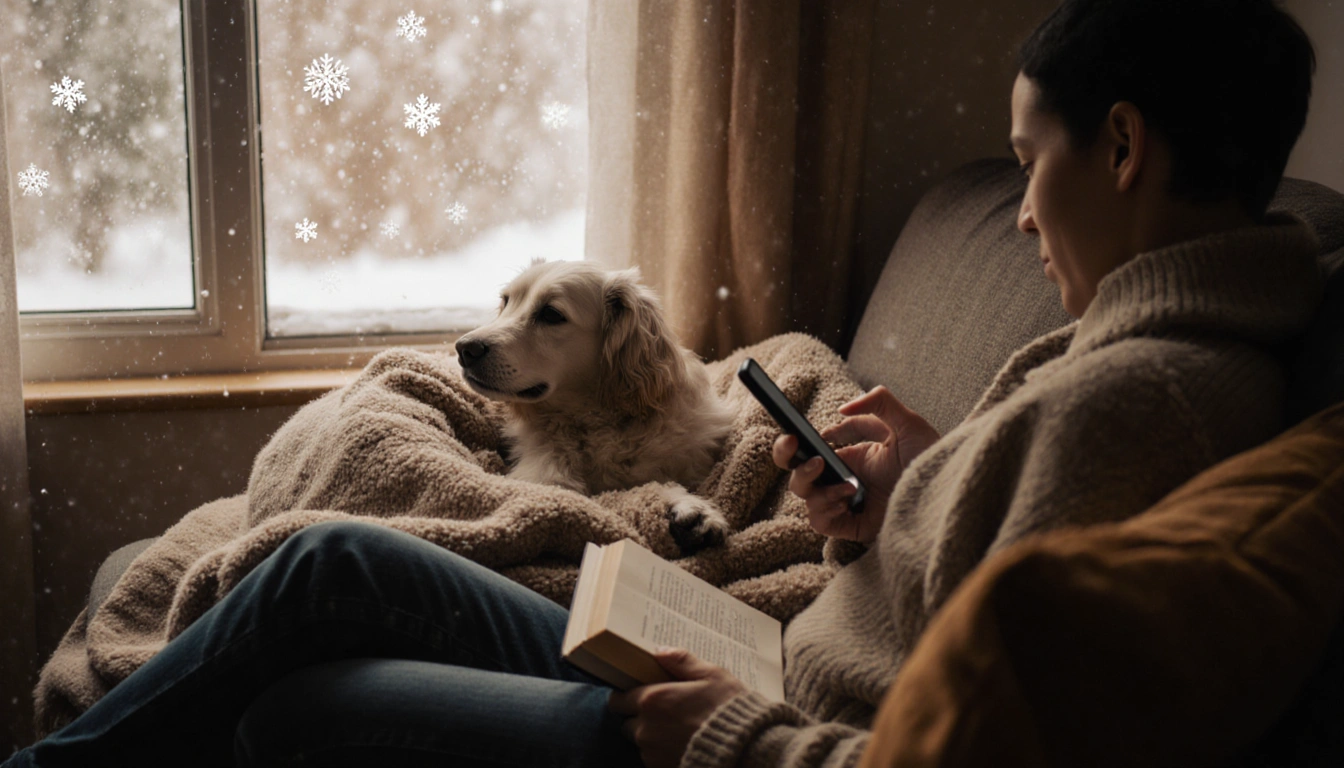
As Texas braces for an unexpected cold snap, the Williamson County Regional Animal Shelter (WCRAS) has issued a set of practical tips to keep pets safe and warm. The shelter’s guidance comes at a time when many residents are unprepared for the sudden drop in temperatures that can accompany winter storms in the region.
WCRAS is a community resource that serves animal owners throughout Williamson County. By sharing its expertise, the shelter helps people protect their companions from the chill, wind, and chemicals that can appear on roads and sidewalks during colder weather.
Even though Texas is often associated with heat, temperatures can plunge sharply during the winter months. Pets are vulnerable to the cold, especially when they are outside for extended periods. Exposure to low temperatures can lead to discomfort and health problems, so it is important for owners to act before the weather turns.
Bring Pets Indoors When It Gets Cold
WCRAS said to bring pets inside if temperatures drop below 40°F. This threshold helps prevent cold-related health issues such as hypothermia and joint stiffness.
Owners should monitor local forecasts and move animals indoors as soon as the thermometer reads 40°F or lower. Quick relocation reduces the risk of body temperature falling below safe levels.
Create a Dry, Insulated Shelter
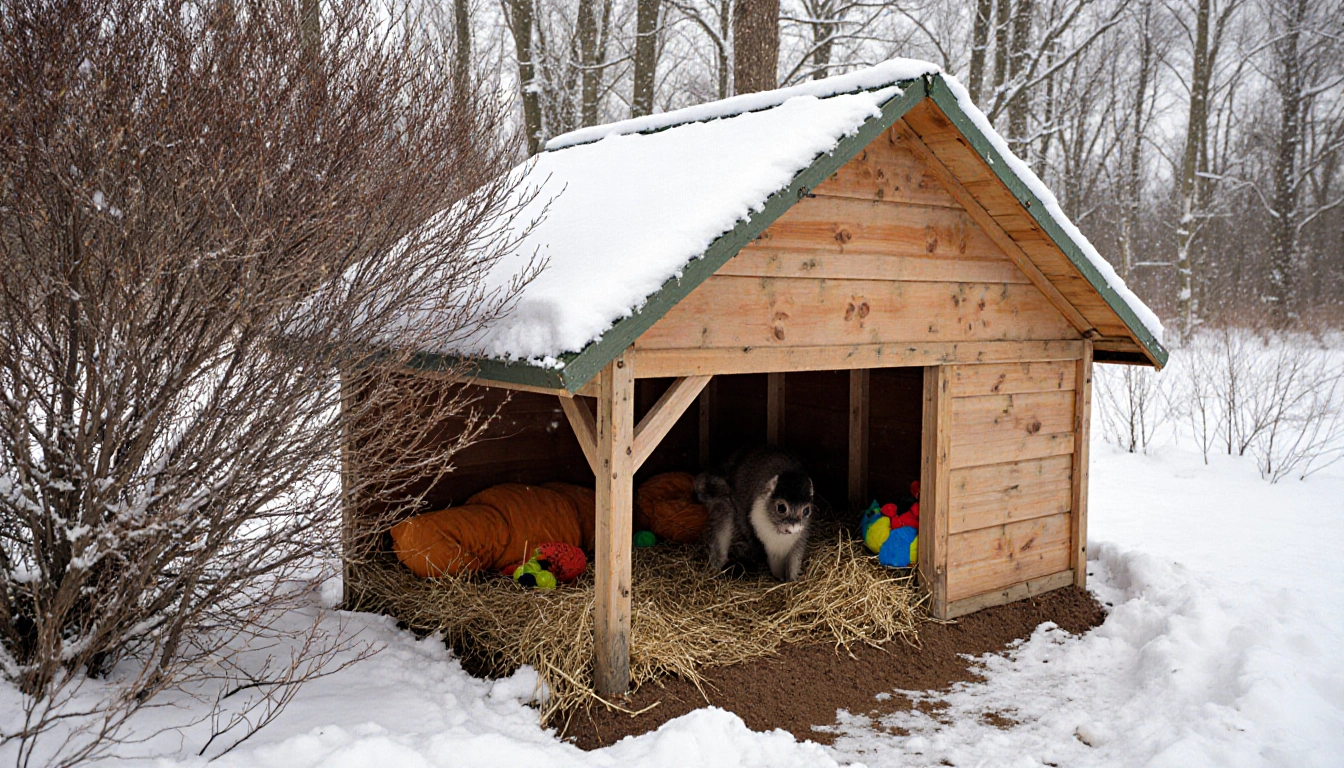
“If that’s not possible, ensure they have a dry, insulated shelter shielded from the wind,” WCRAS said. A dry shelter prevents moisture buildup and insulation keeps the interior warmer than the outside air.
Setting up a simple shelter can involve a sturdy crate or a small shed with a waterproof roof, positioned next to a building or tree to block wind. Raising the floor slightly and adding straw or shredded newspaper adds extra insulation.
Keep Them Warm Inside with Extra Bedding
The shelter also said to provide extra bedding to help retain body heat. A thick layer of blankets or a padded mat can keep a pet’s core temperature stable during brief outdoor excursions.
Layering bedding-starting with a moisture-wicking base, adding a plush blanket, and finishing with fleece-traps heat more effectively than a single blanket and keeps the animal comfortable.
Add an Extra Layer with Sweaters or Hoodies
Pet sweaters or hoodies are also an option. These garments add an extra layer of warmth and can be especially helpful for smaller breeds or animals with short fur.
When selecting a sweater, ensure it fits snugly but does not restrict movement. Breathable fabrics such as fleece or cotton keep the animal comfortable while preventing overheating.
Manage Potty Breaks Wisely
Potty breaks should be quick and supervised. Limiting the time a pet spends outside reduces exposure to cold and chemicals, and supervision ensures the animal remains safe.
Owners can plan breaks during the warmest part of the day whenever possible, and keep a close eye on the animal if a break must occur during a cold snap, bringing them back inside quickly.
Clean Paws After Outdoor Walks
Owners should wipe their pet’s paws after outdoor walks to remove ice, salt or chemicals that can irritate sensitive skin. Clean paws reduce the risk of abrasions and allergic reactions.
After cleaning, applying a pet-safe moisturizer or paw balm protects the skin from drying out and keeps the animal comfortable during winter walks.
Prepare Supplies in Advance
“Preparing ahead of time helps ensure pets stay safe, warm and healthy when that Texas winter weather arrives unexpectedly,” WCRAS said. Having supplies ready-blankets, sweaters, a sheltered area-allows owners to respond quickly to sudden temperature drops.
Owners can create a winter preparedness kit that includes extra blankets, a sturdy crate or shed, sweaters, a paw cleaner, and a small first-aid kit. Storing the kit in an accessible location keeps it ready for any weather change.
Key Takeaways
- Bring pets indoors if the temperature drops below 40°F.
- If pets must stay outside, provide a dry, insulated shelter shielded from wind.
- Use extra bedding, sweaters, or hoodies to keep pets warm during brief outdoor periods.
- Keep potty breaks short, supervised, and clean paws after walks.
Final Thoughts
With these straightforward guidelines from WCRAS, Austin residents can protect their beloved companions from the chill, ensuring that the region’s winter surprises do not turn into health concerns for pets. By staying prepared and following the shelter’s practical advice, owners give their animals the best chance to stay safe, warm, and healthy throughout the season.