
In 2025, Austin police investigators say residents have lost almost $4 million to cryptocurrency fraud, with less than $90,000 recovered.
The Scale of Crypto Fraud in Austin
William Costello is the only Austin Police Department investigator specializing in cybercrimes who works on cryptocurrency fraud cases. He said the department is tracking just under $4M in crypto losses. “The unfortunate side is, we’ve only recovered less than $90,000 worth this year,” Costello told reporters. Actual losses are likely greater, and many incidents go unreported.
How Scammers Operate
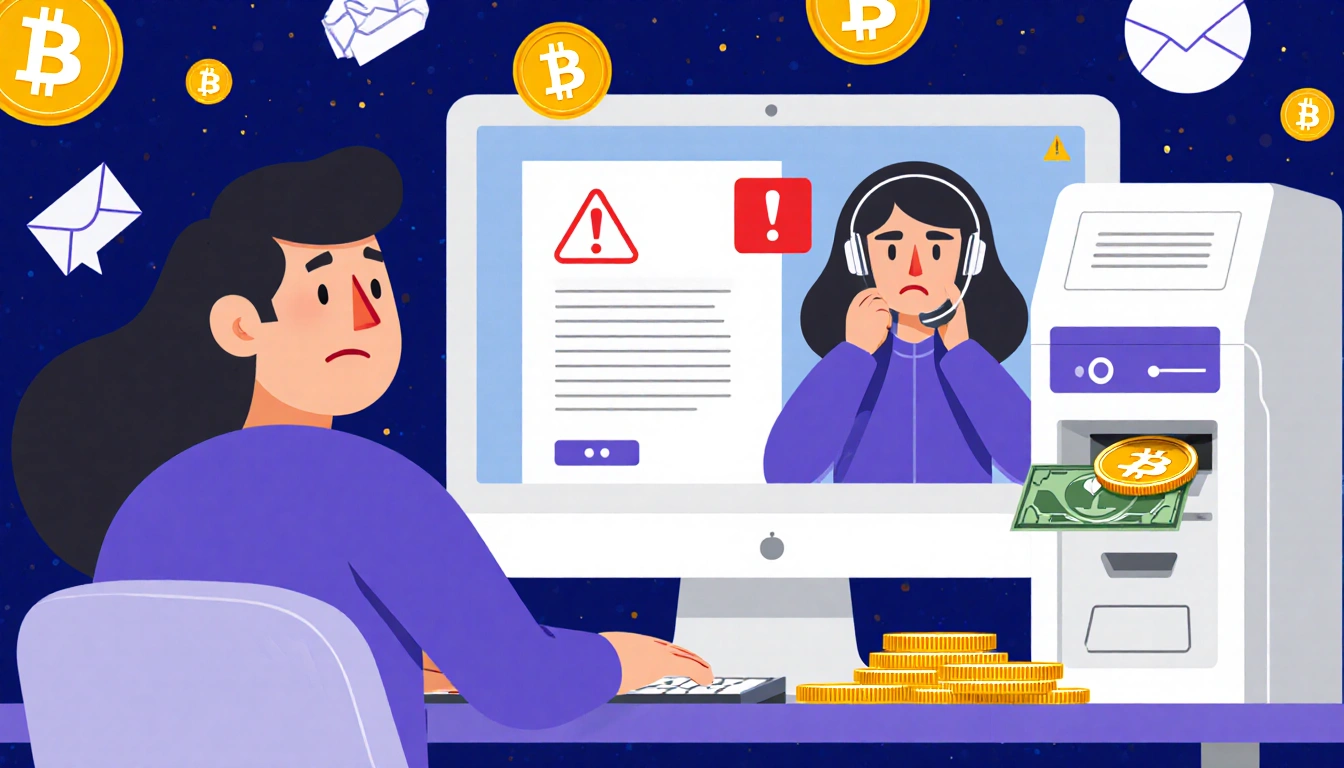
Most crypto scams begin with a phone call, text message or email about an issue related to a person’s crypto investments or a hacking of their accounts. Victims, often elderly, are deceived into thinking their device or bank account has been compromised. The scammer then instructs the victim to deposit cash into a cryptocurrency ATM to “protect” their funds. Once fed into the crypto ATM, the money is converted into cryptocurrency and lands in the wallets of the scammers. Costello said, “It gets really hard to trace, and it gets even harder to recover money back. Sometimes it’s nearly impossible to find the people behind it, because they’re overseas.” He advocates education and awareness to prevent victimization.
Pig Butchering: A Growing Threat
Pig butchering romance scams target younger demographics. Costello said many young adult and middle‑aged victims fall prey to these schemes, with scammers sending tens—hundreds of thousands of dollars. The scams often start with a romantic connection over social media, dating apps or messaging platforms. Once trust is developed, the con artist lures victims into fraudulent crypto investments with promises of large returns. Victims send money to the platforms; when they try to withdraw, the money disappears and the scammer vanishes.
Professor John Griffin, the James A. Elkins Centennial Chair in Finance at the University of Texas at Austin, published a study on pig butchering in 2024. He and Kevin Mei, a doctoral student at UT’s McCombs School of Business, traced the paths of funds from over 4,000 pig butchering victims over the blockchain. They found that a majority of the funds moved from U.S.‑based crypto exchanges like Coinbase and Crypto.com to foreign exchanges overseas, often in southeast Asia. “These criminal networks are likely taking in, through exchanges, over $27 billion a year,” Griffin said. He warned that pig butchering scams can be particularly hard to thwart due to the emotional entanglement created by scammers. “It’s not a matter of just low IQ, low intelligence or low financial sophistication,” he said. “Even people with MBAs from top schools have been victims of these frauds.”
International Links and Human Trafficking
Both Costello and Griffin warn that the billion‑dollar pig butchering industry is linked to a web of other crimes. Many scammers executing the schemes were scammed themselves. Griffin explained, “Those random texts that you get are probably sent from someone that — they themselves are a victim.” He added that many people travel to countries like Cambodia and Laos on the prospect of a job, only to be taken to compounds by criminals posing as an employer. “From that point on, it’s human trafficking. They’re enslaved,” Costello said. Trafficking victims are held in detention by guards in the compounds, forced to defraud people in the U.S. and other nations as crypto scammers. Costello noted that victims sometimes work upwards of 16 hours per day and are punished or rewarded based on how much money they bring in from scamming. He added, “Often, the person you really want to be mad at is a victim of a crime as well.”
Preventing and Responding to Scams
If a victim falls for a crypto scheme, Costello urges them to collect as much evidence as possible and report the incident as soon as possible. “A lot of times we don’t get these cases until two or three weeks after it happened, so we’re already kind of behind the curve,” he said. APD is in the process of acquiring new software to trace funds more quickly over the blockchain, but most funds are laundered before detectives can act to recover them. If victims can provide law enforcement with screenshots or other proof of transaction data, it can make it easier for investigators to follow the funds.
Sometimes money is traced to a “hot wallet,” an account tied to a crypto exchange, almost always based in a foreign country. Police can send a freeze request to the exchange to keep the funds from leaving the identified account. If honored, the freeze request can be followed by court orders to return the funds to the victim. Although overseas companies “aren’t beholden to any law that says they have to,” Costello said most are cooperative with law enforcement. “A lot of [exchanges], when I reach out to them, are responsive to my requests, which is great, but there’s varying degrees of what information they keep. Some keep customer information; some do not,” he said.
If you recognize that someone is caught up in a crypto scheme, Costello recommends a quick search of the internet to find documentation of nearly identical scams. Even when in‑person intervention was not sufficient, presenting them with evidence found online can be an effective way to help them recognize the reality of the situation.
Griffin encourages people to check in with their family members, as many scammers try to isolate the victim from their support system. “I would just say to people, over the holidays, to watch their loved ones and people they’re interacting with over the phone and so forth,” he said. “A lot of times these scams are uncovered by friends or family members.”
Key Takeaways
- Austin police track just under $4M in crypto losses in 2025, recovering less than $90,000.
- Pig butchering scams funnel funds from U.S. exchanges to foreign exchanges, with criminal networks taking in over $27B a year.
- Scammers often recruit victims who are also victims of human trafficking, forcing them into crypto fraud.
The Austin Police Department urges residents to remain vigilant, gather evidence promptly, and report suspicious activity to help curb the growing tide of cryptocurrency scams.