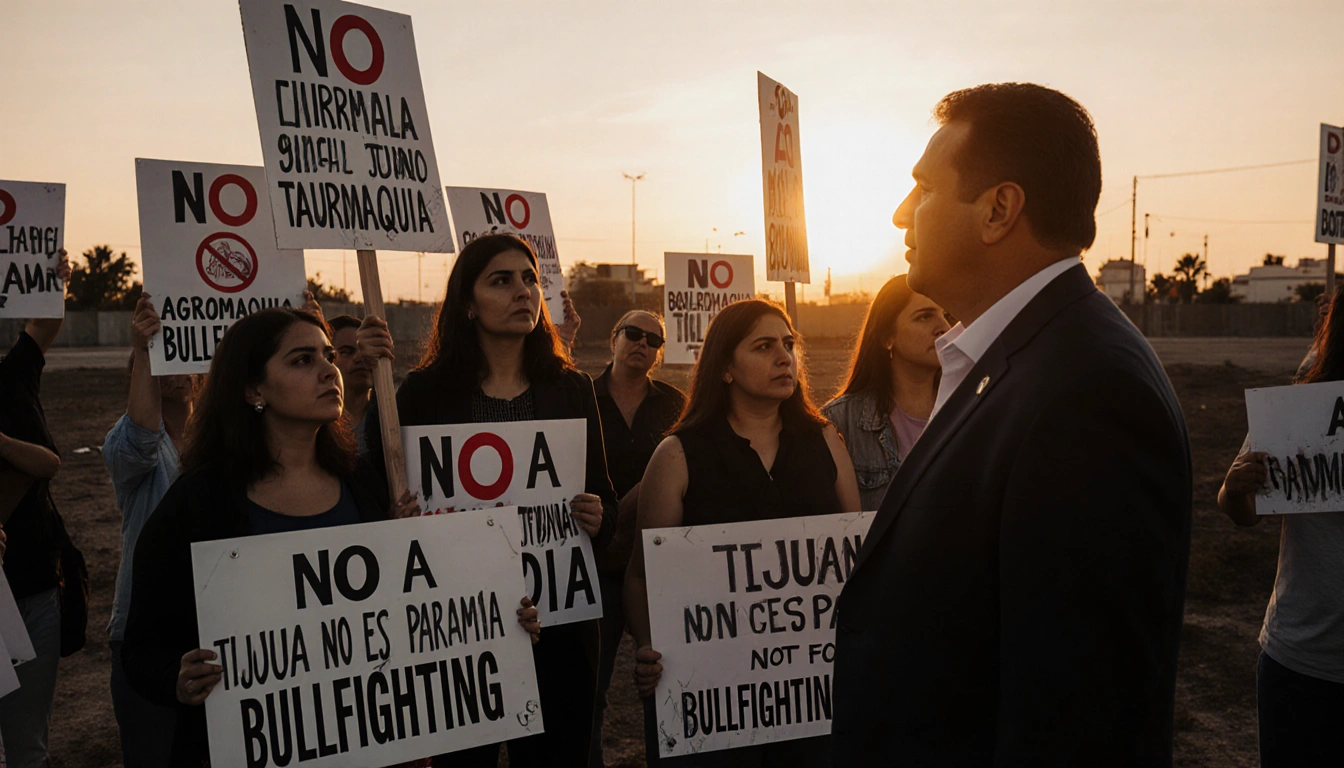
Tijuana City Manager Arnulfo Guerrero León announced earlier this week that the municipality will not issue permits for a new bullring that seeks to host bullfights in the coming year. The decision comes amid a growing debate over the legality and morality of bullfighting in Baja California.
Guerrero León told reporters that the city possesses discretionary authority to grant or deny permits based on its own set of requirements. “We have the discretionary capacity as a government to issue permits according to requirements we have listed, surely we’re going to prohibit bullfights,” he said.
The city’s stance is rooted in its responsibility to protect public health and safety. While bullfighting is not prohibited by state law in Baja California, local officials argue that the event’s inherent risks and potential for animal cruelty fall within the city’s regulatory purview.
On Tuesday, operators of the new bullring, which opened its doors in May 2023, claimed that a temporary judicial injunction suspending bullfights had expired. They stated that the suspension had ended and that no legal impediment now exists to allow bullfights to return to the city.
Despite the operators’ assertion, bullfights have not taken place in Tijuana since the summer of 2023. The city has remained vigilant, maintaining that the injunction’s expiration does not automatically grant permission for the events.
Animal rights activists, including Frank Ortiz González, have weighed in on the federal and state legal frameworks that govern bullfighting. Ortiz González said that, at the federal level in Mexico, bullfights are prohibited and that the Baja California state code recognizes animals as sensitive beings subject to protection from harm.
If someone in Tijuana dares to stage a bullfight, Ortiz González warned, the city will sue them and seek penalties under health and civic statutes. “This could result in millions of pesos in fines,” he added.
The operators behind the proposed bullfights have indicated that they will soon issue a formal schedule for events slated to occur in 2026. They have yet to submit any official applications for permits to the city’s permitting office.
According to Guerrero León, the city has not received any formal applications for permits involving bullfights in Tijuana as of Tuesday. He clarified that promoters can apply for permits up to a few days before an event, but no applications have been filed to date.
The city’s policy reflects a cautious approach to the controversial sport, balancing the legal status of bullfighting with concerns about public safety and animal welfare. By withholding permits, the city signals its intention to uphold its regulatory responsibilities.
Stakeholders on both sides of the debate continue to monitor the situation closely. The city’s decision may set a precedent for how local governments in Mexico handle similar disputes over cultural traditions and animal rights.
With the bullring still operating and the operators preparing for future events, the legal and ethical questions surrounding bullfighting in Tijuana remain unresolved. The city’s firm position on permits, coupled with the activists’ legal arguments, underscores the complexity of reconciling tradition with contemporary standards of animal protection.
Key Takeaways

- City Manager Guerrero León has declared that no permits will be issued for bullfights in Tijuana.
- Operators claim the injunction that halted bullfights has expired, but no events have occurred since summer 2023.
- Animal rights activists cite federal prohibition and state animal-protection laws, warning of significant fines if bullfights resume.
The debate over bullfighting in Tijuana illustrates the tension between cultural practices and evolving legal standards. While the city maintains its authority to deny permits, operators remain hopeful that the injunction’s expiration will pave the way for future events. The outcome of this dispute will likely influence how other Mexican municipalities address similar controversies.