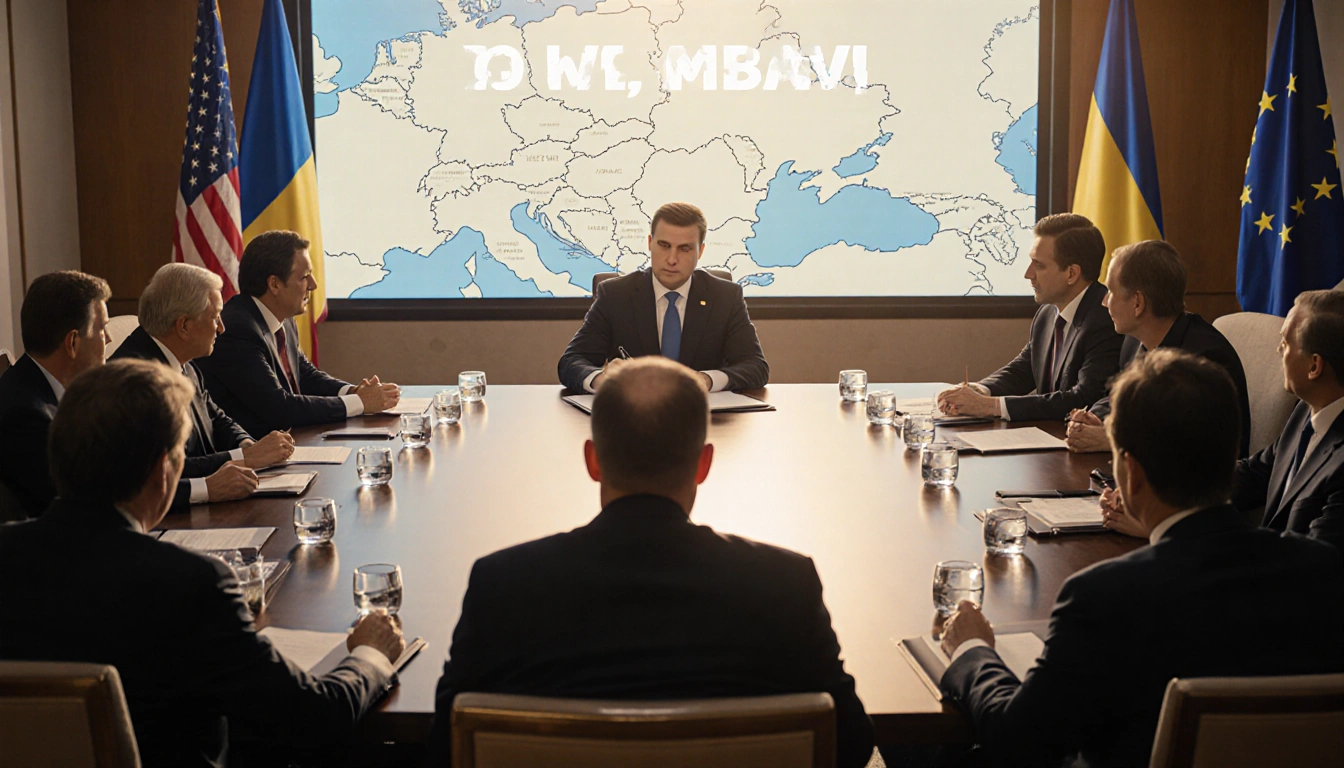
After a marathon negotiation that stretched into the night, European Union leaders announced on Friday that they will provide Ukraine with a 90 billion-euro, interest-free loan to cover military and economic needs for 2026-27.
The Loan Deal
The agreement, signed in Brussels, earmarks 90 billion euros ($106 billion) for Ukraine over the next two years. EU Council President António Costa posted, “We have a deal. Decision to provide 90 billion euros of support to Ukraine for 2026-27 approved. We committed, we delivered.”
The funds will be raised through borrowing on capital markets, a decision reached after Belgium refused to allow the use of frozen Russian assets as collateral.
Belgium’s Legal Concerns
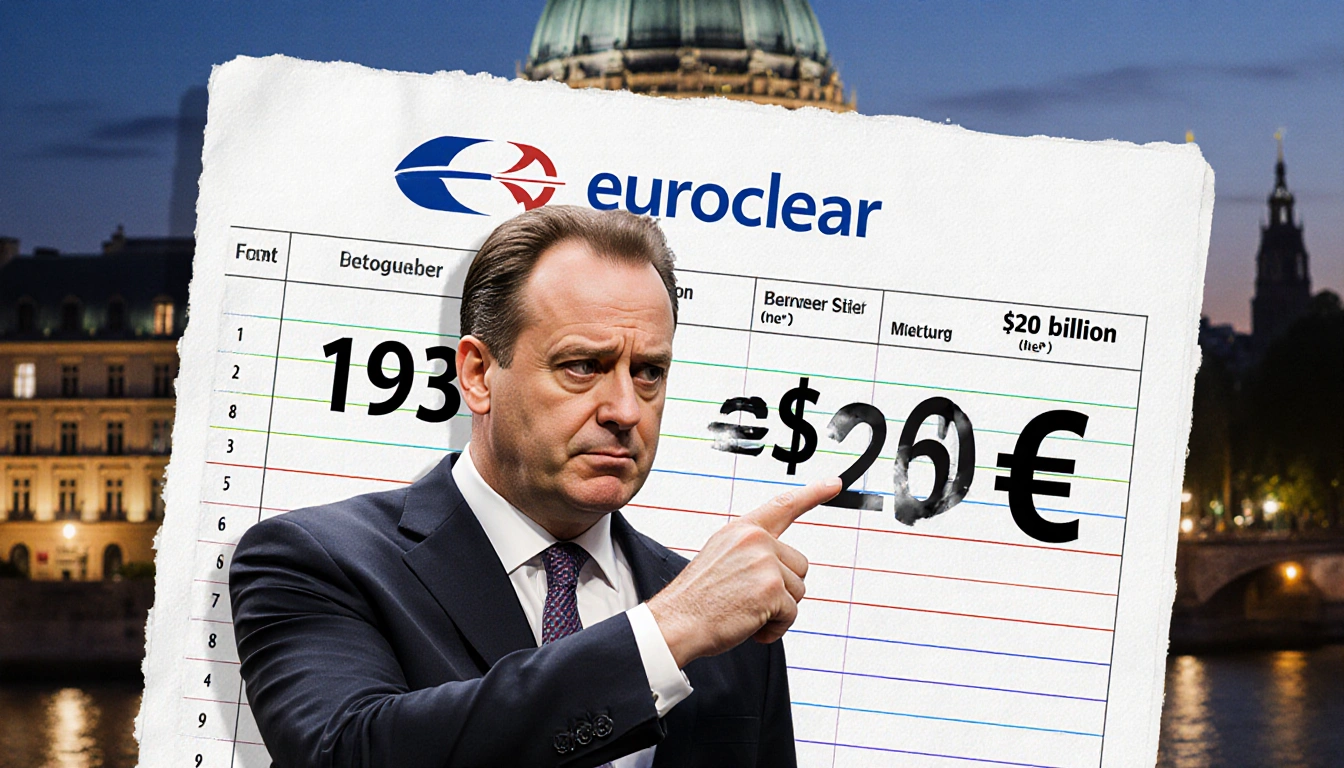
Belgium’s Prime Minister Bart De Wever rejected the plan to tap 210 billion euros ($246 billion) of Russian assets frozen in Europe, most of which sit in Belgium. He warned that the scheme was legally risky and could harm the business of Euroclear, the Brussels-based clearing house that holds 193 billion euros ($226 billion) in frozen assets. De Wever told reporters, “For me, the reparations loan was not a good idea. When we explained the text again, there were so many questions that I said, I told you so, I told you so. There are a lot of loose ends. And if you start pulling at the loose ends in the strings, the thing collapses.”
He added that the EU “avoided stepping into a precedent that risks undermining legal certainty worldwide. We safeguarded the principle that Europe respects law, even when it is hard, even when we are under pressure.”
Reactions from Member States
Hungary, Slovakia and the Czech Republic opposed the loan but agreed not to block it, in exchange for protection from any financial fallout. Hungarian Prime Minister Viktor Orbán, who describes himself as a peacemaker, said, “I would not like a European Union in war. To give money means war.” He also called the frozen-asset plan a “dead end.”
French President Emmanuel Macron praised the decision, saying that borrowing on capital markets “was the most realistic and practical way” to fund Ukraine. German Chancellor Friedrich Merz hailed the package, stating, “The financial package for Ukraine has been finalized. Ukraine is granted a zero-interest loan. These funds are sufficient to cover the military and budgetary needs of Ukraine for the two years to come.”
Merz added that the frozen assets would remain blocked until Russia pays war reparations to Ukraine, which Zelenskyy estimates would cost over 600 billion euros ($700 billion). He warned, “If Russia does not pay reparations we will – in full accordance with international law – make use of Russian immobilised assets for paying back the loan.”
Polish Prime Minister Donald Tusk warned early on Thursday that the choice was stark, saying, “Either money today or blood tomorrow.”
Implications for Ukraine and Russia
Ukraine’s government, already close to bankruptcy, needs the money by spring to meet its military and economic obligations. The International Monetary Fund projects that Ukraine will require 137 billion euros ($161 billion) in 2026 and 2027.
Russia’s Central Bank has sued Euroclear to prevent any loan being provided to Ukraine using the frozen assets, adding legal pressure to the debate. The EU, however, maintains that it reserves the right to use immobilised assets to repay the loan if Russia fails to deliver reparations.
Key Takeaways
- EU agrees to a 90 billion-euro, interest-free loan for Ukraine over 2026-27.
- Belgium blocks use of frozen Russian assets, citing legal risks and Euroclear concerns.
- Member states differ: Hungary, Slovakia, Czech Republic oppose but will not block; France and Germany support the loan.
The decision marks a significant financial commitment to Ukraine amid ongoing conflict, while leaving open the possibility of future use of frozen Russian assets if reparations are not paid.