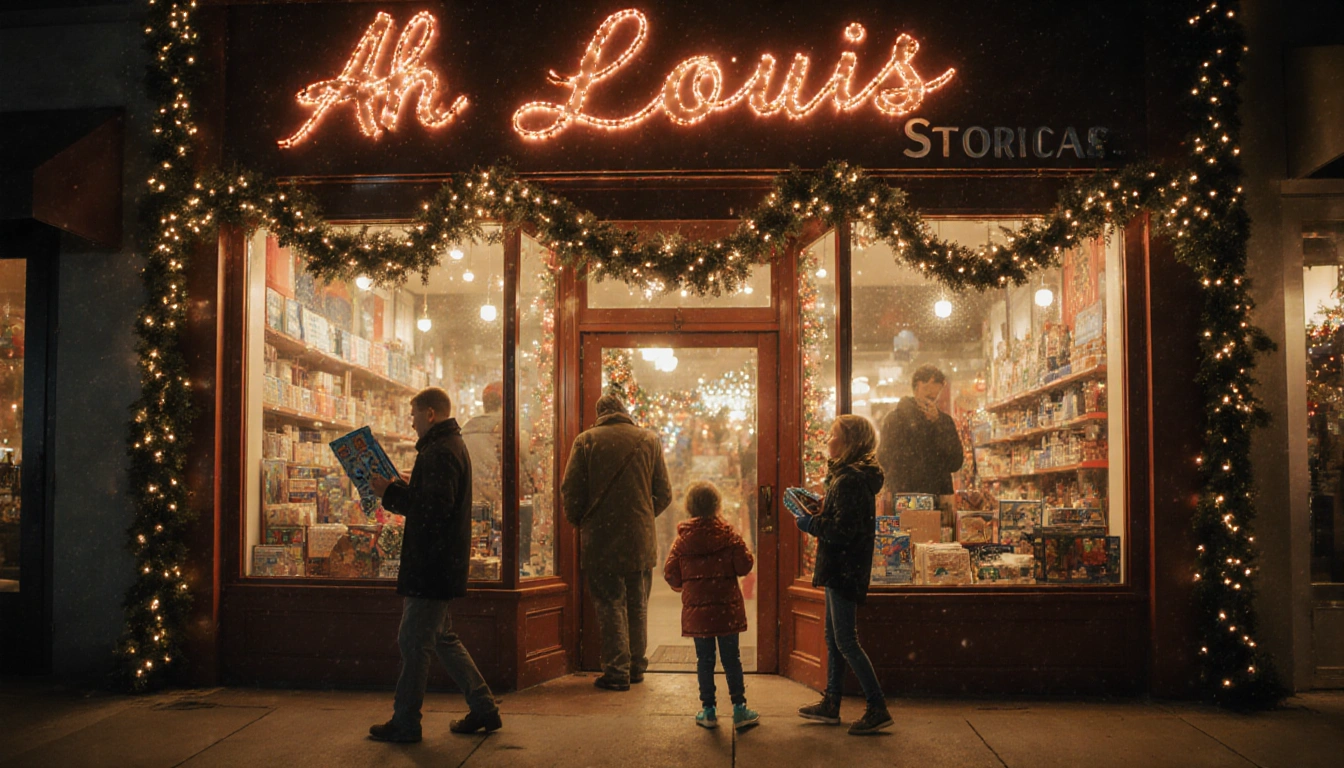
The first glow of holiday lights on the historic downtown building of the Ah Louis Store in San Luis Obispo, California, signals more than just a festive season—it marks a year where imported goods, tariffs, and consumer confidence have reshaped the holiday market.
Ah Louis Store’s Winter Wonderland
Every November, the Ah Louis Store turns its storefront into a winter wonderland with green garlands, giant nutcrackers, baubles and bows. Inside, shoppers can choose from over 500 different types of ornaments and a variety of holiday gift baskets. Co‑owner Emily Butler says, “We really just make it a magical spot.” She adds, “Whether you come in or not, we want to make sure that we’re spreading that holiday joy.”
But this year, Butler and her twin‑sister business partner faced extra hurdles. “Many of the decorations and stocking stuffers we sell are made overseas and either did not arrive or got more expensive when President Donald Trump imposed unusually high taxes on imported goods,” she explained. To stay profitable, the sisters focused on more lucrative items like nutcrackers and gift baskets. They also noticed customers cutting back—choosing a $100 gift basket over the $150 version or buying one ornament instead of several. “We’re definitely seeing more cautious spending this year,” Butler said.
Consumer Confidence in a Shaky Economy
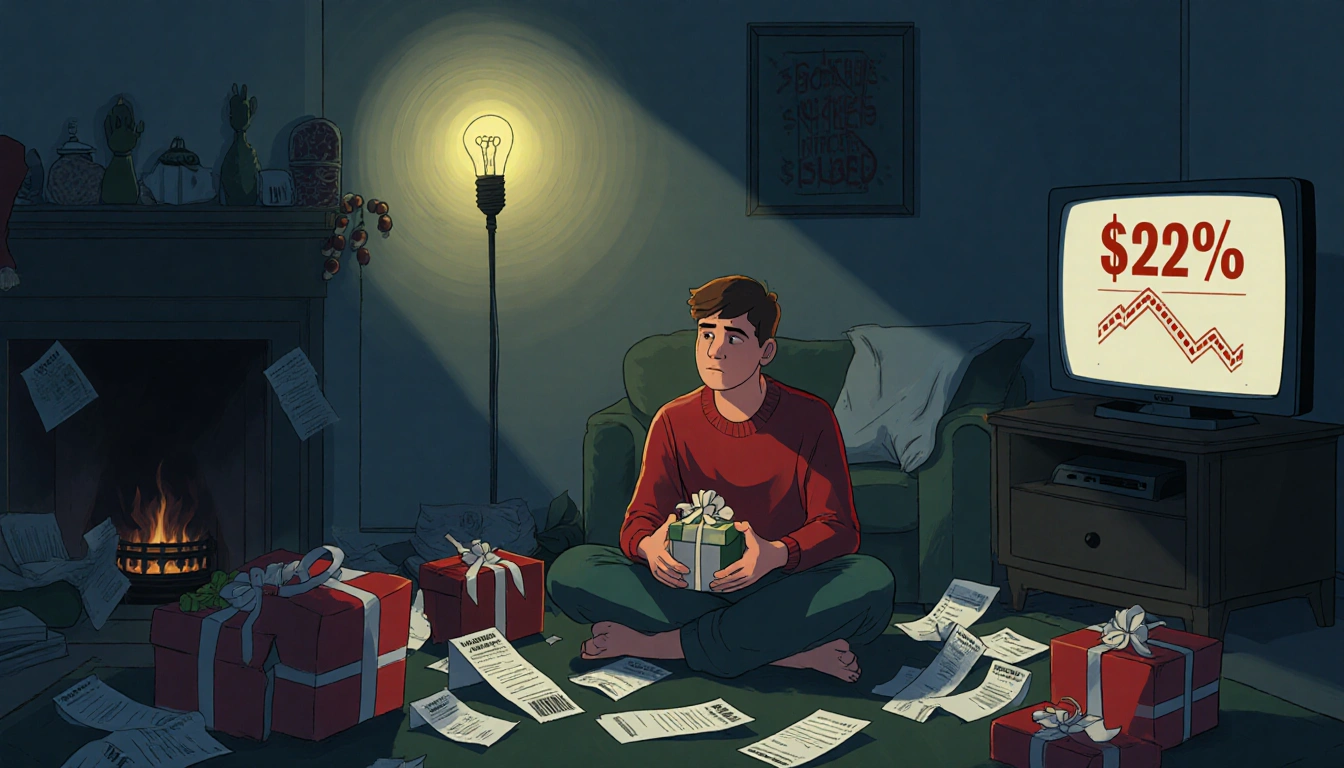
Unpredictable tariffs, stubborn inflation and weak hiring have shaken U.S. consumer confidence. A December poll from the Associated Press‑NORC Center for Public Affairs Research found that the vast majority of U.S. adults have noticed higher than usual prices for groceries, electricity and holiday gifts in recent months. A Gallup index that summarizes Americans’ assessments of current economic conditions fell to a 17‑month low in November. Consumers also indicated less enthusiasm for spending money on holiday gifts; their estimated gift budgets decreased $229 between October and November, the largest drop Gallup has recorded at that point of the holiday shopping season. The survey was conducted in November, partially during the government shutdown, which might have tempered spending plans.
Tariff‑Related Price Shifts by Category
Games and Toys
The Toy Association reports that most U.S. toys are made in China. Trump’s tariff on Chinese goods fluctuated from an initial 10% to a peak of 145% and settled at 47%. This rollercoaster left toy shops uncertain about ordering. Dean Smith, co‑owner of JaZams in Princeton, New Jersey, and Lahaska, Pennsylvania, said manufacturers in China did not pass on tariff costs all at once but he has seen prices inch higher with every reorder. Smith estimated that wholesale prices for 80% of his inventory rose 5% to 20%. A doll that sold for $20‑$25 last year now costs $30‑$35 at JaZams. “For folks with marginal incomes, this is going to be a very difficult holiday,” Smith said.
Electronics
Most consumer electronics are produced in China and other Asian countries. In 2023, China supplied 78% of U.S. smartphone imports and 79% of laptop and tablet imports, according to the Consumer Technology Association. Best Buy announced in May that it was raising prices due to tariffs. CEO Corie Barry, however, said late last month that the chain stocked computers, phones and other products at different price levels, a strategy she credited with helping Best Buy attract more lower‑income shoppers. “The consumer is not a monolith,” Barry told reporters.
Game consoles remain a popular holiday item. Sony raised the price of the PlayStation 5 by $50 to $550 in August, following similar increases from Microsoft and Nintendo.
Jewelry
David Bonaparte, president & CEO of Jewelers of America, noted that higher jewelry prices are driven more by the soaring price of gold than by tariffs. Trump’s varying tax rates on imports affected jewelry differently. Swiss watches faced a 39% tariff from July 31 until a deal lowered the rate to 15%. India, which refines many diamonds sold in the U.S., rushed shipments before a 50% tariff took effect on Aug. 27. Prices for jewelry made with Indian diamonds may rise in 2026. “It’s really a matter of what happens after Jan. 1,” Bonaparte said. “If these tariffs are still in place, then prices will probably increase.”
Holiday Decor
Holiday decorations also come largely from overseas, especially China. Jeremy Rice, co‑owner of House in Lexington, Kentucky, said tariffs slowed production of fall stock and seasonal items like ribbon. He avoided ordering some larger, expensive pieces. Rice raised prices on the items he did acquire. Red berry stems, for example, increased from $8.95 last year to $10.95 due to higher import costs. “We sell thousands of these berry stems, and every time we sold one, I flinched from knowing what it should have been, knowing that our supplier paid more for them, which made us pay more for them, which made our customer pay more for them,” Rice said.
Shopping Strategically
To sidestep tariff‑related price hikes, John Harmon, managing director of technology research at Coresight Research, recommends checking out secondhand stores and discount retailers such as T.J. Maxx, Marshall’s and HomeGoods. These off‑price chains buy much of their inventory from leftover stock that would have entered the U.S. before new tariffs kicked in. Joe Adamski, senior director at ProcureAbility, added that books, food and beverages—domestically produced goods—make good gifts.
Key Takeaways
- U.S. tariffs and inflation have pushed higher prices for toys, electronics and holiday decor while consumers are cutting back.
- The most significant tariff swings affected Chinese‑made toys, with wholesale costs rising 5‑20%.
- Jewelry prices are more tied to gold and diamond supply than to tariffs, but upcoming tariff changes could raise costs.
The holiday season of 2025 illustrates how trade policy, supply‑chain disruptions and economic sentiment converge to influence what shoppers buy and how much they pay. While some categories feel the full brunt of tariffs, others remain relatively insulated, offering shoppers a mix of price‑sensitive and premium options.
Closing
As the holiday lights continue to sparkle across San Luis Obispo and beyond, shoppers and retailers alike navigate a market where imported goods, tariff policies and economic uncertainty shape the price of joy. The lessons of this season will likely inform purchasing decisions and business strategies for years to come.