A single anonymous tipster’s account of a strange sidewalk encounter outside Brown University on December 17, 2025, became the key that led Providence police to identify the suspect behind a campus shooting and a later murder of an MIT professor.
The Tip That Turned the Case
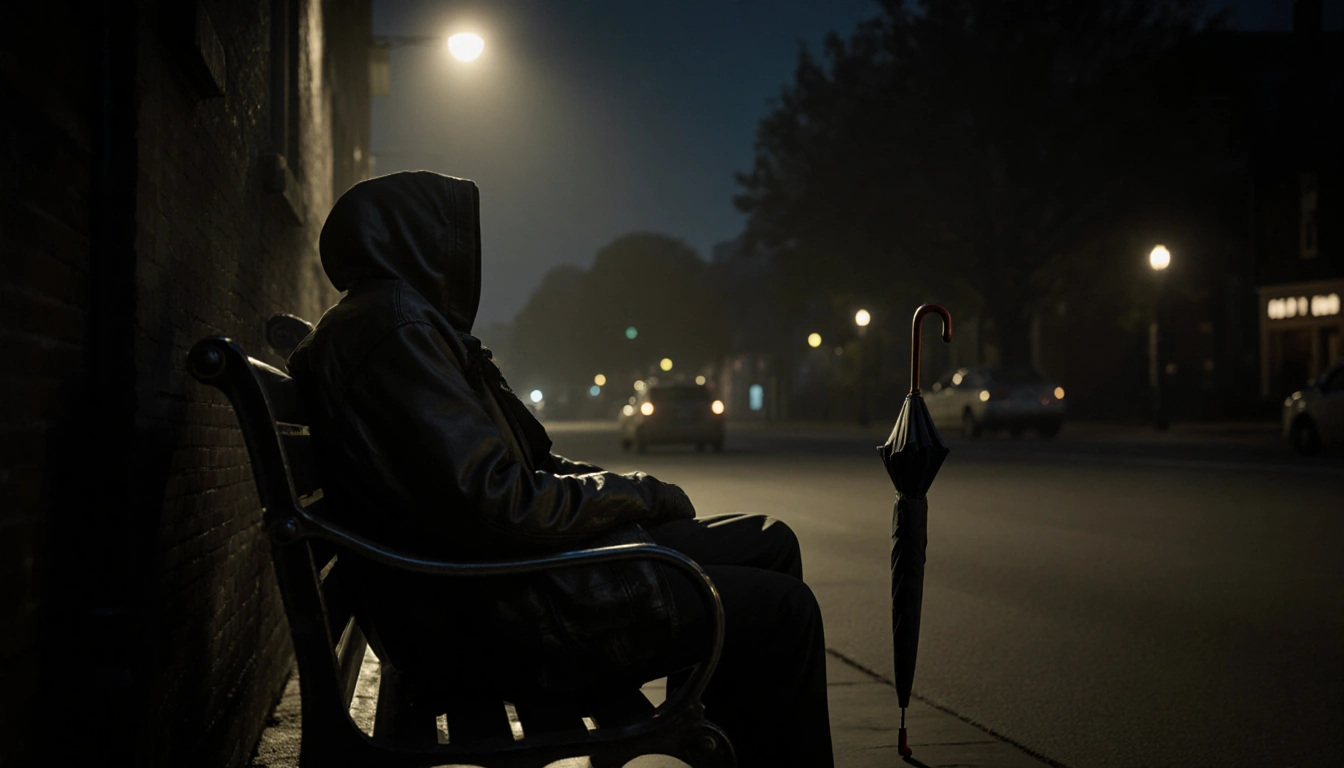
The tipster, known only as “John” in a Providence police affidavit, said he had several encounters with a 48-year-old man named Claudio Neves Valente before the Saturday attack. He first noticed Valente in the bathroom of the engineering building, where he described the suspect’s clothing as “inappropriate and inadequate for the weather.” Later, outside the building, John observed Valente suddenly turn around from a grey Nissan when he saw him. The encounter escalated into what the affidavit calls a “game of cat and mouse,” with Valente repeatedly fleeing.
During the same afternoon, John posted on the social-media forum Reddit that he recognized the person of interest. He urged other users to tell the FBI, and he said he did. The police affidavit notes that they learned about the tip on December 16, three days after the shooting and a day after the tip line was created.
From Red Flag to Real Evidence
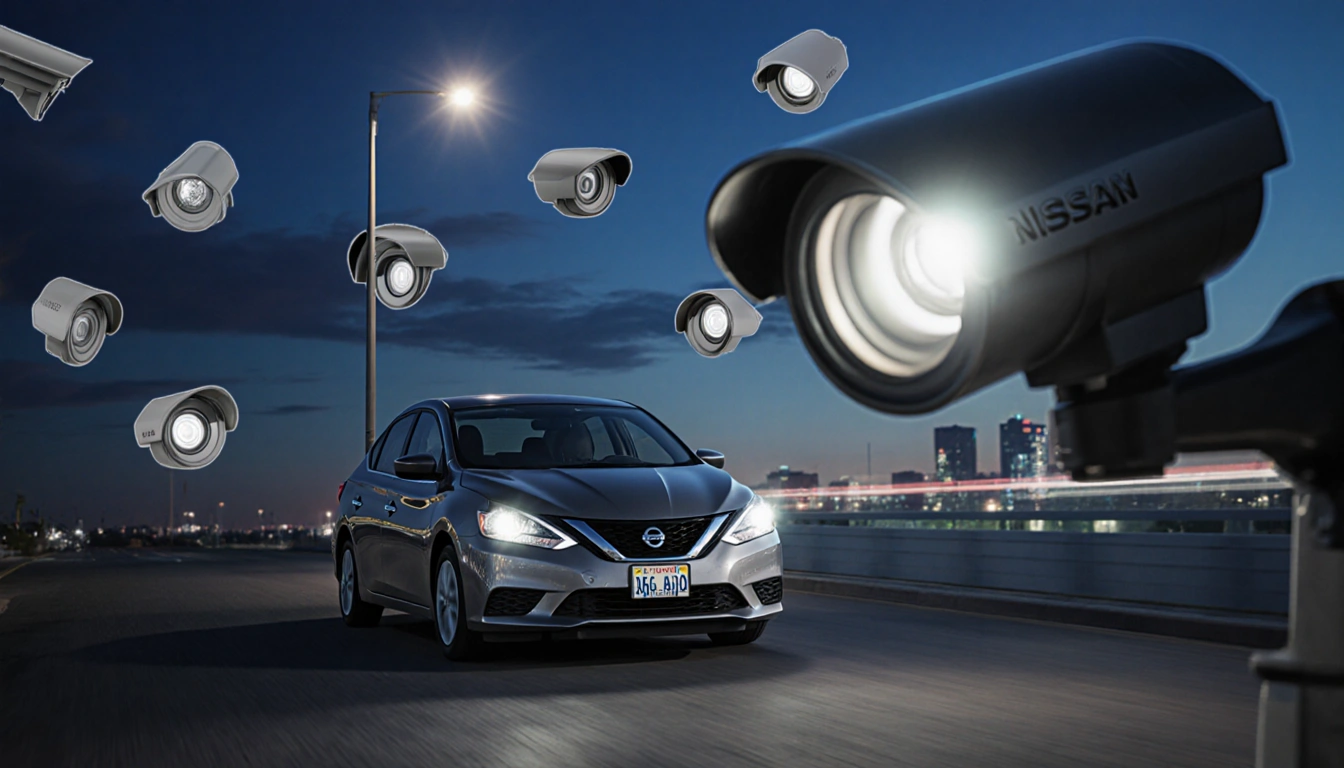
Because of John’s description, Providence police were able to identify a vehicle linked to the suspect. The tip mentioned a possible rental grey Nissan, which led investigators to locate a Nissan Sentra sedan with Florida plates. Armed with that information, the police tapped into a network of more than 70 street cameras operated around the city by surveillance company Flock Safety. The resulting footage helped confirm Valente’s presence in the area and provided the visual evidence that tied him to the crime scene.
Police also used the tip to piece together a timeline of Valente’s movements. The affidavit records that John yelled, “Your car is back there, why are you circling the block?” Valente responded, “I don’t know you from nobody,” and then repeatedly asked, “Why are you harassing me?” These exchanges, captured in the affidavit, were crucial in linking the suspect to the events that followed the campus shooting.
The Suspect and the Fatal Outcome
Claudio Neves Valente, 48, was believed to have fired more than 40 rounds inside a Brown engineering building, killing two students. Two days later, he allegedly gunned down a Massachusetts Institute of Technology professor in his Brookline home. On the sixth day of the investigation, Providence police announced that they had found Valente dead from a self-inflicted gunshot wound. The discovery came nearly 24 hours after John’s tip, and Rhode Island Attorney General Peter Neronha said, “He blew this case right open,” and added, “When you crack it, you crack it.”
Rewards and Recognition
The FBI had offered a $50,000 reward for information that led to the resolution of the Brown shooting. Special agent in charge Ted Docks said it would be logical to think that, absolutely, the tipster would be entitled to that reward. However, as of Thursday, it was unknown whether John would receive the money.
John concluded his public comments by writing on Reddit Wednesday night, “Respectfully, I have said all I have to say on the matter to the right people.” His brief statement reflects the role he played in helping law enforcement close a case that had left the Providence community anxious and frustrated.
Key Takeaways
- An anonymous tipster’s account of a sidewalk encounter led to the identification of Claudio Neves Valente as the suspect behind the Brown University shooting and an MIT professor’s murder.
- The tip provided critical details about a grey Nissan and a Nissan Sentra with Florida plates, allowing police to use city surveillance footage to confirm Valente’s movements.
- The suspect was found dead from a self-inflicted gunshot wound on the sixth day of the investigation, nearly 24 hours after the tip was received.
The case demonstrates how a single, detailed observation can transform a stalled investigation into a swift resolution, even in a high-profile crime that had previously left the community in a state of uncertainty.