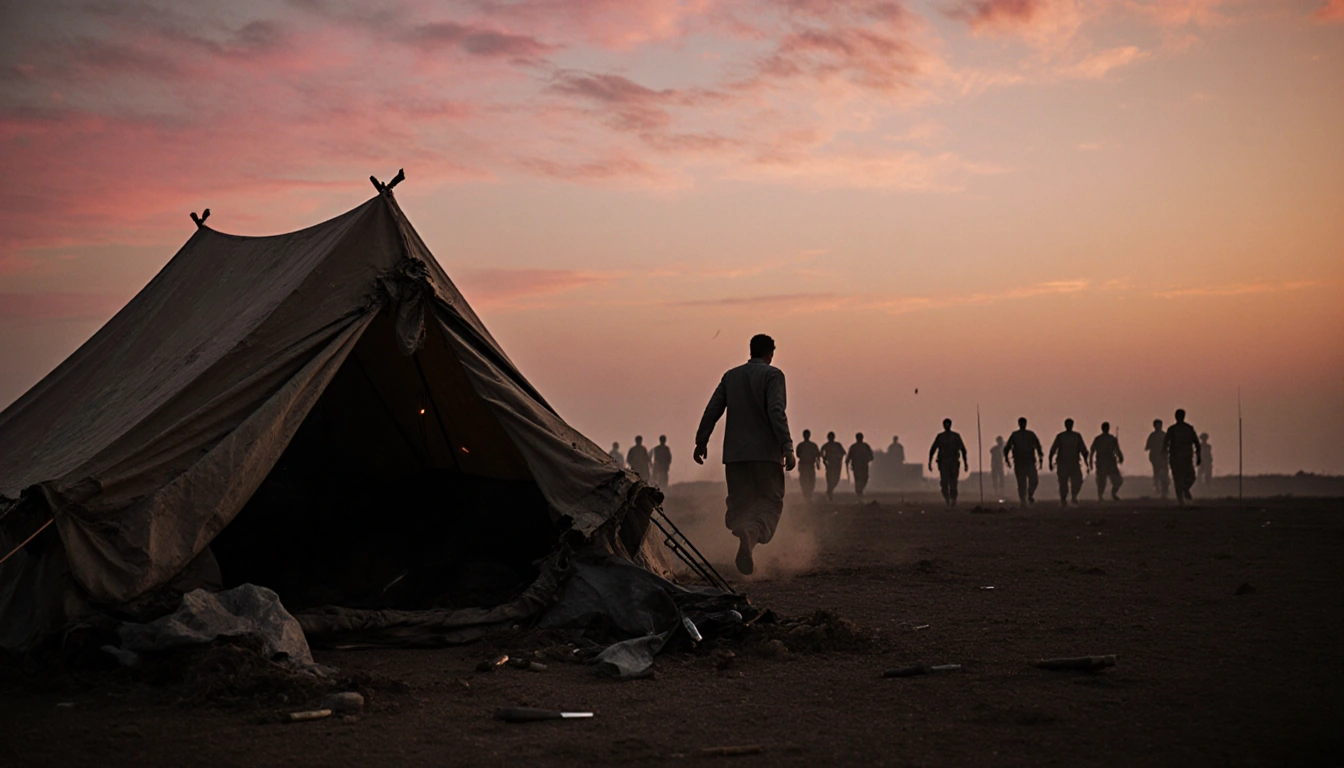
In a stark UN report released Thursday, the U.N. Human Rights Office said that the Rapid Support Forces (RSF) killed more than 1,000 civilians in a three-day assault on Zamzam camp, Sudan’s largest displacement site.
RSF Attack on Zamzam Camp
RSF stormed Zamzam in April as part of its siege of el-Fasher, the provincial capital of North Darfur. The attack involved house-to-house raids, raids on the main market, and violence in schools and health facilities, with hundreds of people summarily executed.
UN Human Rights Findings
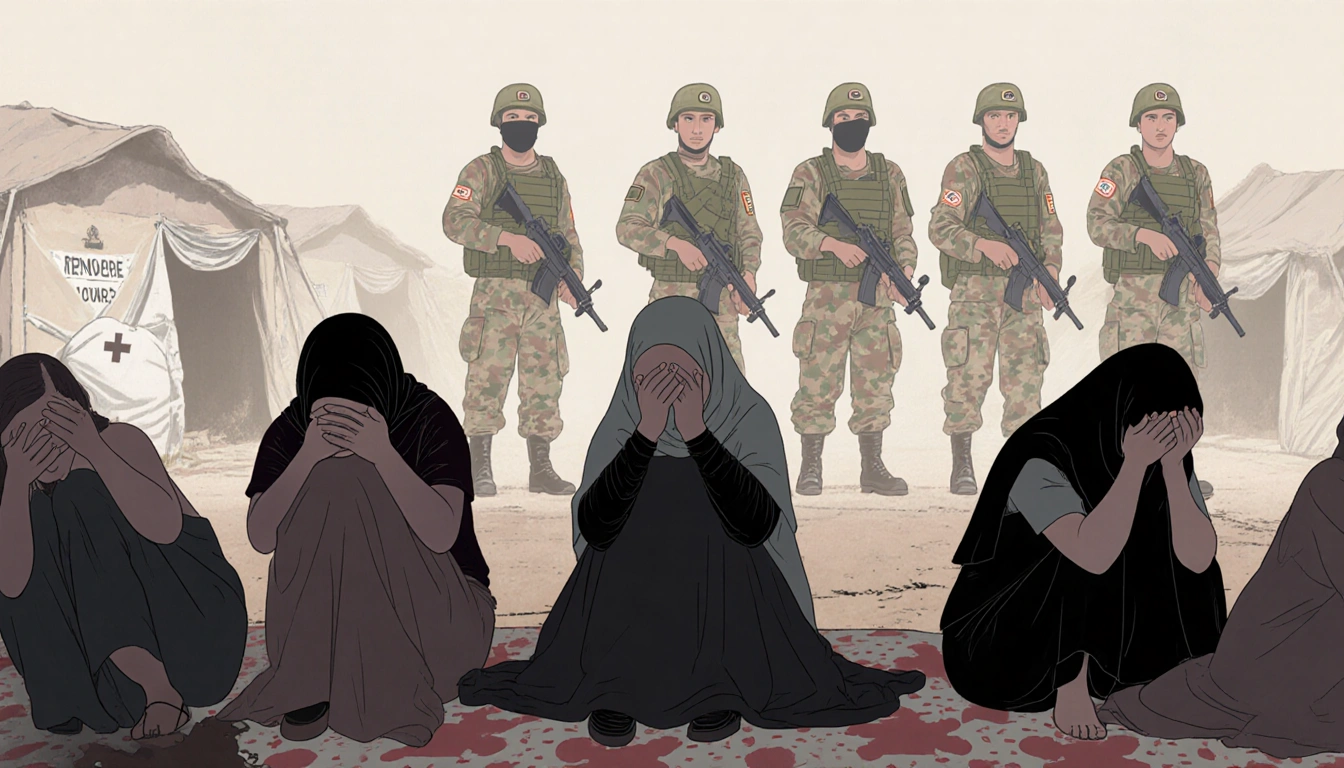
The report documents patterns of sexual violence, including rape, gang rape, and sexual slavery, and calls the conduct a “consistent pattern of serious violations of international humanitarian law and gross abuses of international human rights law.”
International Reactions
Amnesty International had already accused the RSF of war crimes in its April assault, and the U.N. findings reinforce that narrative. Zamzam, established in 2004 to shelter people displaced by Janjaweed attacks, had grown to cover an area 8 km long by about 3 km wide and housed more than 500,000 people before the siege.
Diplomatic Engagements
RSF has been fighting the Sudanese military since April 2023, a conflict that has killed 40,000 people-though some rights groups say the toll is higher-and displaced over 14 million, creating the world’s worst humanitarian crisis. The U.N. High Commissioner for Human Rights, Volker Türk, said the findings are a stark reminder of the need for prompt action to end atrocities and ensure accountability.
Current Conflict Landscape
Türk warned that the same patterns of violence now appear in el-Fasher as RSF took over the city, noting that the violations are consistent with what his office has documented, including during the RSF takeover of el-Fasher in late October.
Diplomatic Engagements (continued)
Meanwhile, Sudan’s top general, Abdel Fattah al-Burhan, met with Egyptian President Abdel-Fattah el-Sissi in Cairo on Thursday, following talks with Saudi officials in Riyadh earlier that week. U.S. envoy Massad Boulos also met Saudi officials, and Boulos said on X that Saudi Arabia had agreed on practical steps toward a humanitarian truce and expanded aid for Sudanese people.
Ceasefire and Parallel Government
Burhan had rejected a ceasefire proposal in November, calling it unacceptable and “the worst yet” and accusing mediators of being “biased.” Egypt’s presidency affirmed support for Sudan but rejected “the establishment of any parallel entities or their recognition,” citing a violation of Sudan’s unity and territorial integrity, and warned that “red lines” could not be crossed. RSF announced a parallel government in July called the Tasis Alliance.
Humanitarian Crisis in the South
The fighting has now shifted to the south, mainly in the oil-rich Kordofan states. The Sudan Doctors’ Network reported that 16 people were killed in the last 48 hours by artillery shelling of the besieged town of Dilling, South Kordofan, where famine risk is rising. The group blamed RSF and allied groups for the attack, calling it a flagrant violation of international law and urging the international community to stop the assaults.
Key Takeaways
- Over 1,000 civilians were killed in a three-day RSF assault on Zamzam camp.
- The UN report highlights widespread sexual violence and violations of humanitarian law.
- Diplomatic efforts continue amid a conflict that has killed 40,000 people and displaced 14 million.
The UN findings underscore the urgency of addressing the humanitarian crisis in Sudan, as the RSF’s actions and the broader war continue to devastate civilians. International actors remain engaged, but the path to peace and accountability remains fraught.