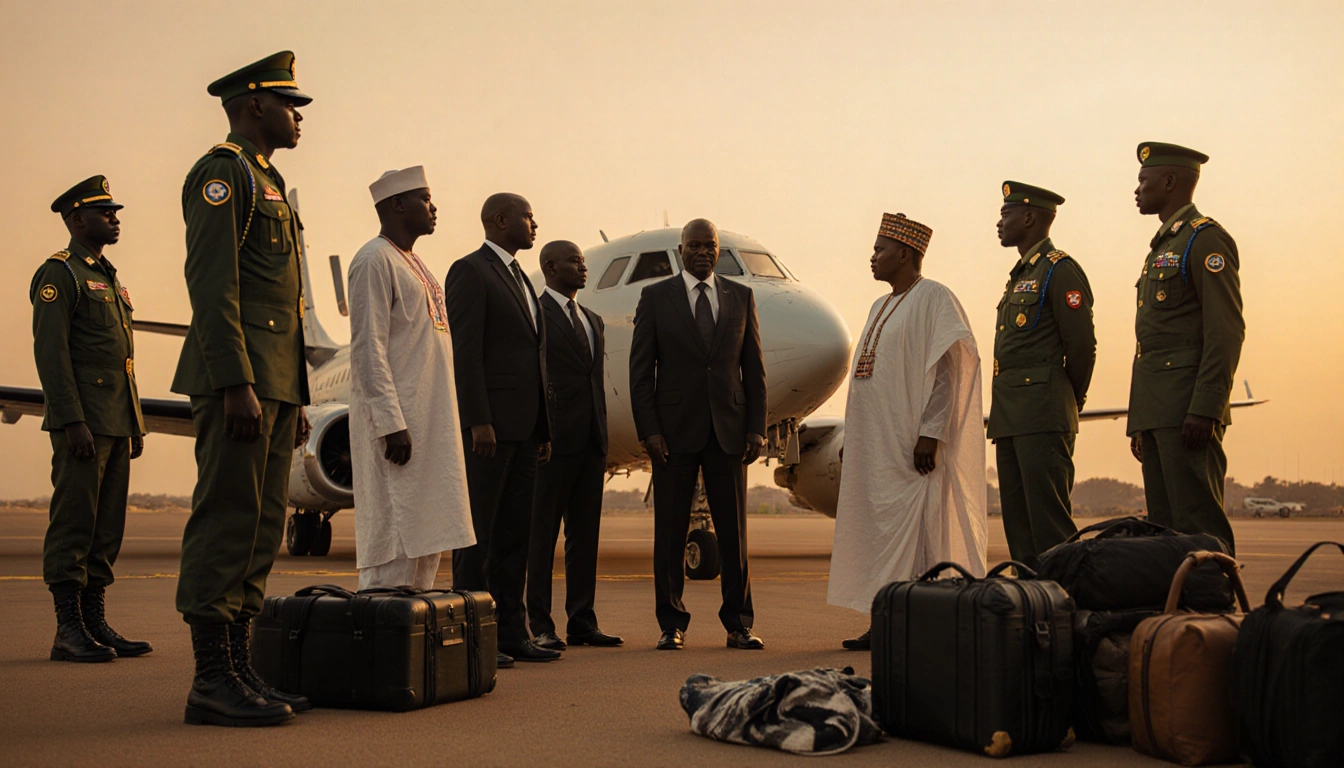

On Wednesday, Burkina Faso released eleven members of the Nigerian Air Force who had been held since December 8, after their aircraft made an emergency landing in western Burkina Faso. The release came amid tense relations between the two countries and highlighted the importance of sustained diplomatic engagement in resolving cross-border incidents.
Diplomatic Resolution and Personnel Release
Foreign Affairs Minister Yusuf Tuggar announced on Thursday that the matter had been settled through dialogue, emphasizing the role of diplomacy in handling sensitive issues. In a statement posted on X, Tuggar said, “Through sustained dialogue, we also resolved the matter concerning Nigerian Air Force pilots and crew, reaffirming the effectiveness of diplomacy in addressing sensitive issues.” The release followed meetings between a Nigerian delegation led by Tuggar and Burkina Faso’s military junta, headed by Ibrahim Traoré. Officials confirmed that the detained personnel-two flight crew members and nine passengers-were freed on Wednesday.
Alkasim Abdulkadir, a spokesperson for Tuggar, told The Associated Press that the personnel were no longer detained, adding, “Matters have been resolved. They are no longer detained.” The Nigerian Air Force had earlier explained that the aircraft was bound for Portugal for scheduled maintenance when it diverted to Burkina Faso. The air force stated that the emergency landing was conducted in accordance with international guidelines and standard safety procedures. However, Tuggar later addressed the incident on Burkina Faso’s state broadcaster, admitting there were irregularities concerning the overflight authorizations and issuing an apology for the episode.
Regional Security Response
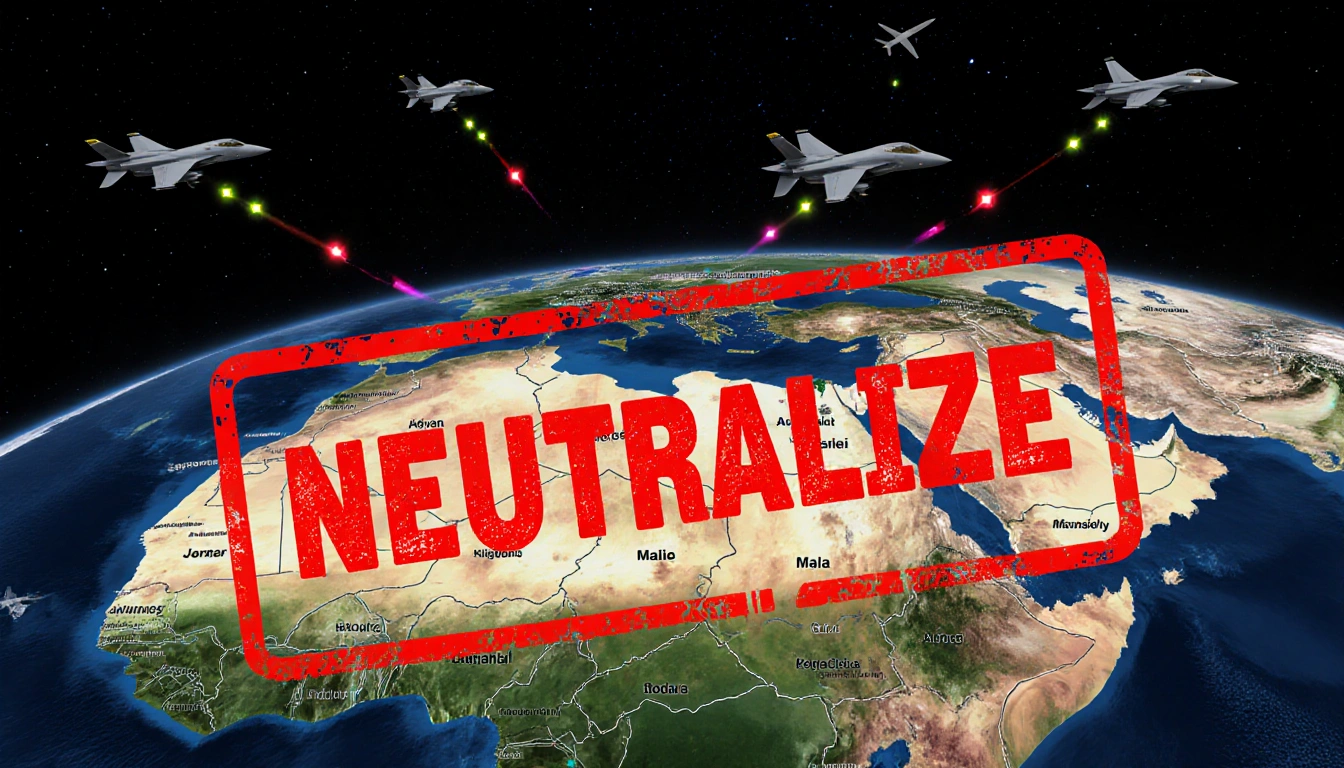
The emergency landing prompted the Alliance of Sahel States-comprising Burkina Faso, Mali, and Niger-to elevate its air and anti-air defenses to maximum alert. Gen. Assimi Goita, the leader of Mali’s military junta, issued a statement saying the alliance was authorized “to neutralize any aircraft that violates the confederation’s airspace.” The heightened alert came at a time when relations between the Sahel alliance and Nigeria were already strained, partly due to Nigeria’s intervention in Benin earlier this month, which helped reverse a short-lived coup. In Benin, the Nigerian Air Force conducted airstrikes targeting the coup plotters, a move that added to the tension in the region.
Nigeria’s Intervention in Benin
Nigeria’s involvement in Benin earlier this month, where it helped reverse a short-lived coup, has added another layer to the regional security dynamics. The Nigerian Air Force’s airstrikes targeting the coup plotters were part of a broader effort to support the legitimate government in Benin. This operation, conducted near the borders of Burkina Faso and Nigeria, illustrates the interconnectedness of security challenges across West Africa and the role of Nigerian forces in regional stabilization efforts.
Future Cooperation and Regional Integration
Nigeria and Burkina Faso have now agreed to hold regular consultations and pursue steps to deepen bilateral cooperation and regional integration, according to Abdulkadir. The Nigerian foreign ministry spokesperson Kimiebi Ebienfa confirmed that the aircraft will now fly to Portugal for its scheduled maintenance. Both governments stressed that the incident underscored the need for clear overflight protocols and reinforced their commitment to maintaining stability in West Africa. The two countries also highlighted their shared interest in strengthening ties with ECOWAS, the Economic Community of West African States, of which Nigeria remains a member while Burkina Faso, Mali and Niger have withdrawn.
Operational Protocols and Overflight Authorizations
The Nigerian Air Force’s statement that the aircraft was bound for Portugal for scheduled maintenance is consistent with its routine maintenance schedule for the fleet. The emergency diversion to Burkina Faso was carried out following international guidelines and standard safety procedures, the air force confirmed. However, Tuggar’s televised apology acknowledged that there were irregularities concerning the overflight authorizations, suggesting that the aircraft may have entered Burkina Faso’s airspace without the proper clearance. This admission points to a procedural gap that both sides now aim to address.
Sahel Alliance Response Significance
The rapid elevation of the Alliance of Sahel States’ air and anti-air defenses to maximum alert underscores the alliance’s commitment to protecting its airspace. Gen. Assimi Goita’s statement that the alliance was authorized “to neutralize any aircraft that violates the confederation’s airspace” reflects a hard-line stance on sovereignty. This posture is particularly relevant given the alliance’s recent withdrawal from ECOWAS and its criticism of the bloc’s sanctions regime, which it claims is inhumane and contrary to the interests of its citizens. The incident, therefore, highlights the delicate balance between regional cooperation and the assertion of national sovereignty.
Future Coordination and Security
Both governments have signaled a willingness to coordinate on security matters beyond the immediate incident. The agreement to hold regular consultations reflects a broader strategy to prevent future misunderstandings and to strengthen joint responses to threats such as insurgency and terrorism. By reinforcing communication channels, Nigeria and Burkina Faso aim to build a framework that can accommodate rapid decision-making and mutual support in the face of evolving security challenges. This collaborative approach aligns with the regional integration goals that both sides have articulated in recent diplomatic exchanges.
Aircraft Maintenance Details
The aircraft involved in the incident is part of the Nigerian Air Force’s fleet of transport aircraft. It was scheduled to undergo routine maintenance in Portugal, a common destination for the force’s maintenance needs. The decision to divert to Burkina Faso was made under emergency conditions, with the crew following international safety protocols. After the incident, the aircraft will continue its journey to Portugal, where it will receive the necessary maintenance before returning to active service.
Diplomatic Significance
The swift resolution of the incident underscores the effectiveness of diplomatic channels in West Africa, demonstrating that even tense situations can be managed through dialogue and cooperation.
Key Takeaways
- The release of the personnel demonstrates that diplomatic dialogue can resolve cross-border security incidents even amid broader tensions.
- The acknowledgment of overflight irregularities and the subsequent apology indicate a willingness to address procedural gaps.
- The heightened alert by the Sahel alliance and the subsequent cooperation talks underscore the fragile balance of power and the need for clear protocols in the region.
The incident, while resolved, serves as a reminder of the complex security environment in West Africa and the importance of clear protocols and diplomatic engagement in maintaining regional stability.