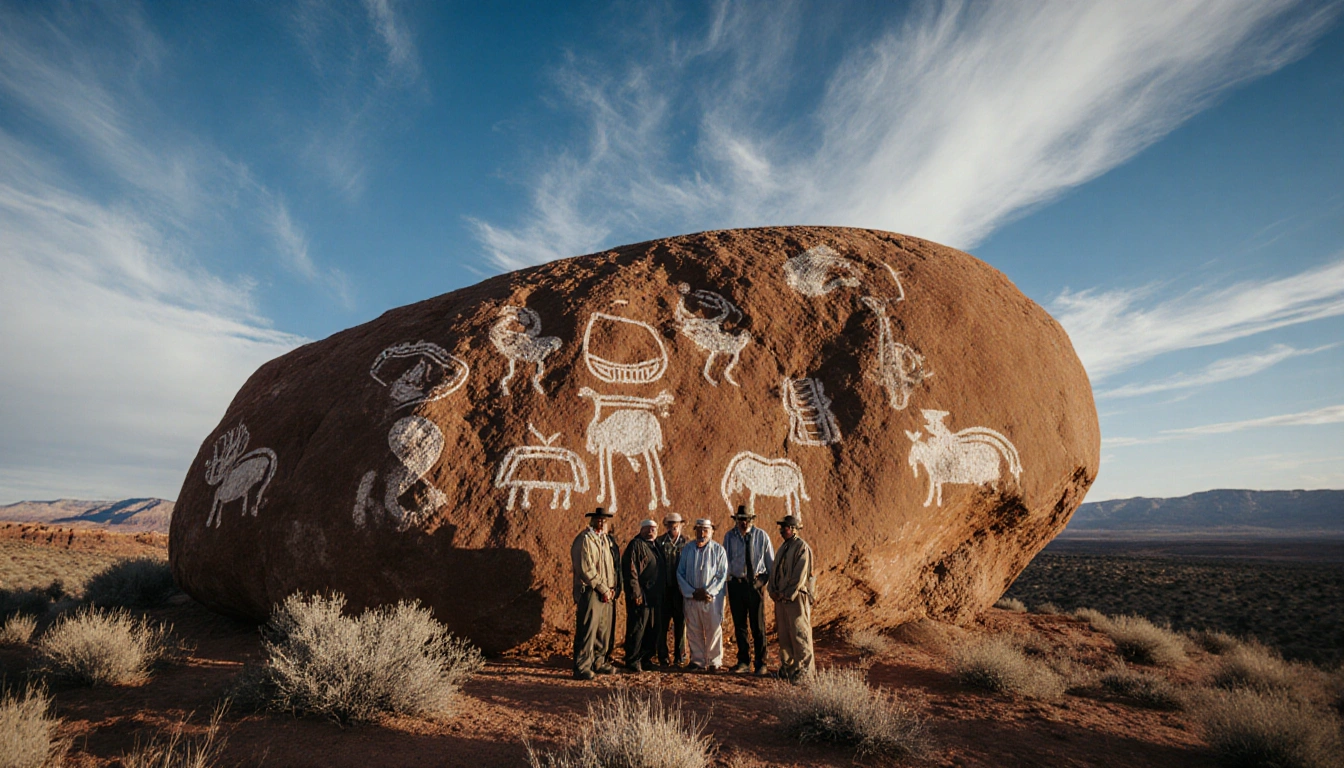
A 2,500-pound petroglyph stone, carved over a thousand years ago by the ancestors of the Northwestern Band of the Shoshone Nation, has finally been returned to the rugged hills of northern Utah.
The Journey Back
The repatriation effort began in 2011 and reached its culmination earlier this month when the sacred rock was airlifted to its original location. It had been removed from a concrete slab that had stood in front of a church meetinghouse in the community of Tremonton, about 80 miles north of Salt Lake City.
The Restoration Process
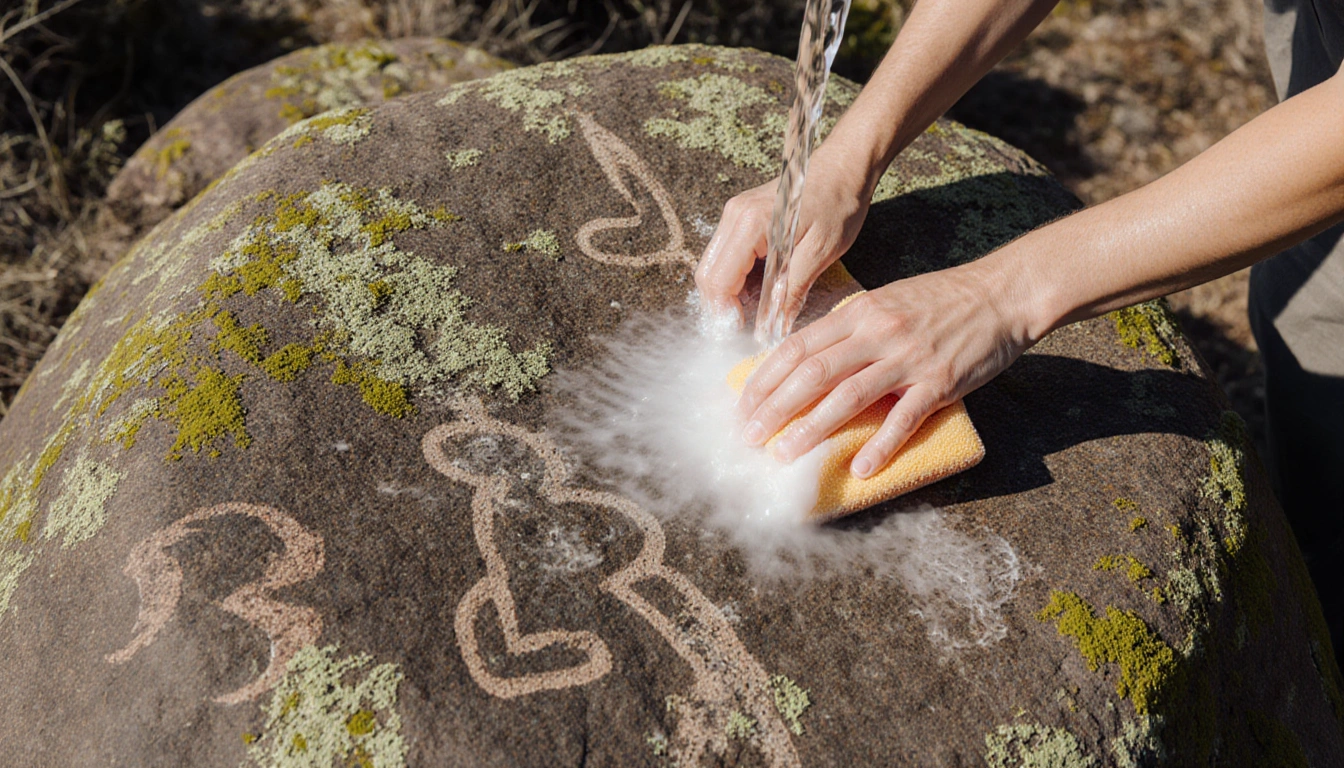
The Church of Jesus Christ of Latter-day Saints said in a statement that historians and conservators working on its behalf partnered with the tribe and the state to carefully remove and clean the stone. The process involved saws, chisels, and eventually soap and water to remove years of lichen growth from the petroglyphs.
Once freed from its concrete base, the rock was taken to Provo where conservators with the Midwest Art Conservation Center used bamboo and plastic tools to remove the lichen without altering the original patina. After trucking the stone to a spot near the Utah-Idaho line, a helicopter was used to move it into place, with officials keeping the exact location confidential for safekeeping.
Community Voices
Brad Parry, the tribe’s vice chair, said the return was emotional and described it as a puzzle piece coming back into place. “Our history is so fractured with a lot of things that happened to us,” he said in a statement. “To have these positive things now that are coming out – it’s rebuilding our history. And I can’t overstate that.”
Ryan Saltzgiver, history sites curator for the Church History Department, noted that it remains a mystery why the rock was brought to the church in the first place. For decades it sat outside the building, first near the flagpole and then on the north side. Grainy black-and-white photos shared by the church showed the rock on display.
David Bolingbroke, research and outreach historian for the Church History Department, said the rock was likely placed at the chapel not out of malice, but out of a lack of proper understanding. Saltzgiver added that the church has a moral and ethical obligation to care for items in its possession and a responsibility to return sacred items to their rightful owners.
The Significance
To mark the return, tribal spiritual leader Rios Pacheco offered a blessing in Shoshoni, the language spoken by the tribe. Parry said, “This rock was meant to be here.” “It’s like this rock knows it’s home.”
The project was made possible by collaboration between the Utah State Historic Preservation Office, the church, the Shoshone Nation, and conservation experts. Amateur archaeologists had used a 1937 rock-art survey in 2011 to identify and track down the rock’s origin, and since that time the partners have worked to line everything up for the stone’s relocation.
Key Takeaways
- A 2,500-pound petroglyph rock was repatriated to its original Utah mountain setting after a decade-long effort.
- The Church of Jesus Christ of Latter-day Saints, the state, and the Shoshone Nation cooperated to remove, clean, and restore the stone.
- Tribal leaders view the return as a significant step in rebuilding fractured history and honoring ancestral spiritual sites.
The return of this ancient stone not only restores a piece of cultural heritage but also exemplifies the collaborative spirit that can bring sacred artifacts back to their rightful communities.