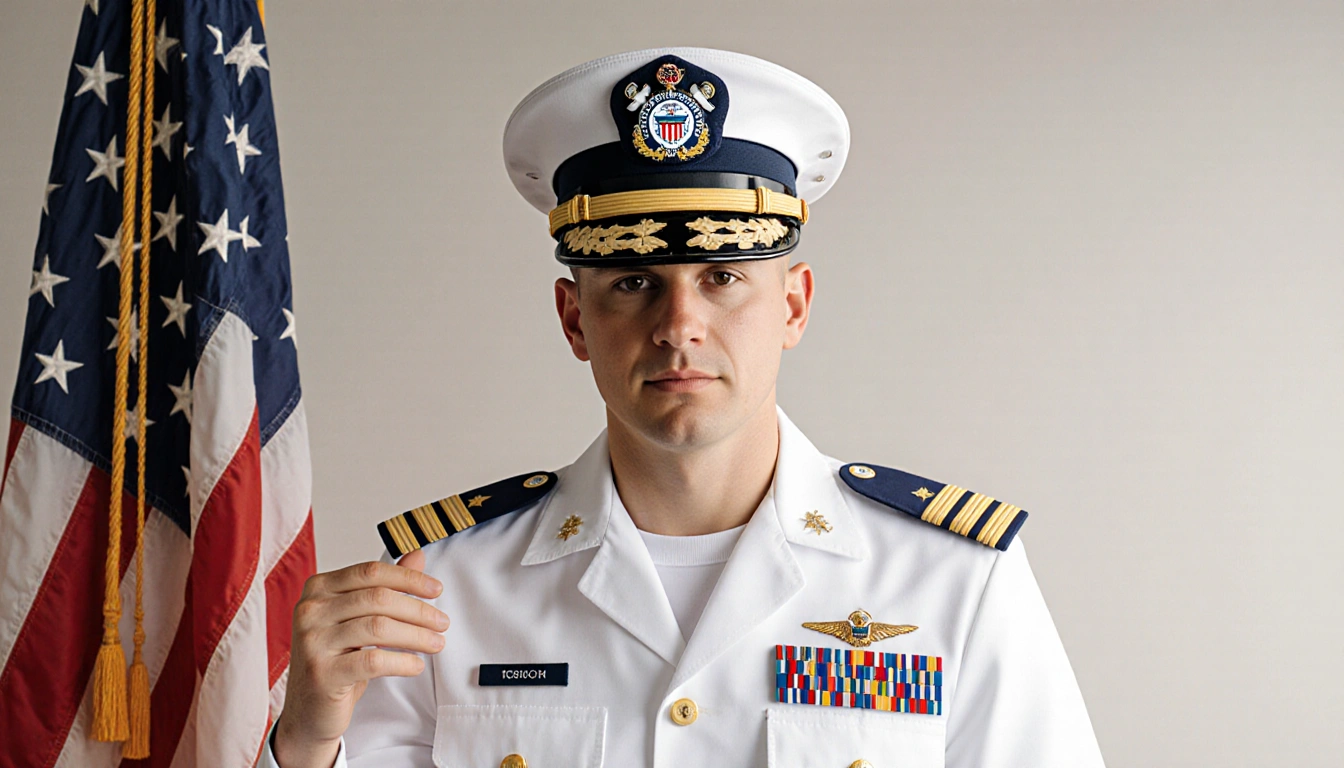
The U.S. Coast Guard has removed references to hate symbols in its policy, a move that followed a senator’s decision to lift a hold on the agency’s top nomination. The change was announced on Thursday and signals a shift in how the service communicates its stance on divisive imagery. It also coincides with a broader effort to clarify anti-harassment standards within the Coast Guard.
Policy Revision
The policy revision eliminated the section that labeled swastikas, nooses and other hate symbols as “potentially divisive.” The removal was made to prevent misrepresentation of the branch’s position. It follows a series of back-and-forth changes that have drawn public attention.
Homeland Security Secretary Kristi Noem, who oversees the Coast Guard, posted on social media that the changes were made to stop misrepresentation. She emphasized that the updates were intended to keep the policy clear and accurate.
Noem said, “The pages of superseded and outdated policy will be completely removed from the record so no press outlet, entity or elected official may misrepresent the Coast Guard to politicize their policies and lie about their position on divisive and hate symbols.” The quote underscores the agency’s desire to control the narrative.
The policy change appears to conclude a series of revisions that sparked uproar over how the Coast Guard treats hate symbols. Critics argued that the language was too vague, while supporters said it clarified enforcement. The debate highlighted the sensitivity of the issue.
The Department of Homeland Security maintained that the policy language was never downgraded, stating that the change “was never a ‘downgrade’.” This statement was made to reassure stakeholders that the core prohibitions remained intact.
Senate Action
Noem’s announcement came a day after Democratic Senator Jacky Rosen of Nevada revealed that she had been holding the nomination of Admiral Kevin Lunday for commandant. Rosen cited concerns that leadership had “backtracked” on a commitment to prohibit swastikas and nooses. She expressed that the delay was politically motivated.
Rosen posted on social media that she was lifting the hold and expressed eagerness to work with Lunday to strengthen the Coast Guard’s anti-harassment policy. Her decision was announced Thursday, the same day the policy was updated.
She added, “While I continue to have reservations about the process by which this happened and the confusion created by leadership at the Department of Homeland Security, I am pleased to see that the policy now directly refers to stronger language against swastikas and nooses.” This statement acknowledges both her concerns and approval of the new wording.
Noem described the delay in Lunday’s confirmation as a “politicized holdup,” arguing that it had lasted long enough and that he should be confirmed without further delay. She framed the hold as an unnecessary political obstruction.
She said, “He has given nearly 39 years of distinguished service to the Coast Guard, this country, and the American people.” The quote highlights Lunday’s long record of service.
Statements from Officials
The Coast Guard’s proposed policy, which first surfaced publicly last month, stopped short of banning hate symbols outright; it allowed commanders to remove them from public view while exempting private spaces such as family housing. This approach was intended to balance enforcement with respect for private property. It also clarified the scope of command authority.
Department of Homeland Security officials explained that the change “strengthens our ability to report, investigate, and prosecute those who violate longstanding policy.” The statement emphasized the practical benefits of the revision.
On social media, the Coast Guard reiterated its zero-tolerance stance, stating, “We maintain a zero-tolerance policy toward hate symbols, extremist ideology, and any conduct that undermines our core values. We prohibit the display or promotion of hate symbols in any form. Any suggestion otherwise is false.” The agency reinforced its commitment to core values.
The Washington Post was the first outlet to report on the latest developments, bringing the policy shift to national attention. The article highlighted the key changes and the political context.
Public Reaction
The policy’s removal of hate symbol references signals a shift in how the Coast Guard communicates its values to the public and to the media. Stakeholders noted that the change could reduce misunderstandings. It also reflects an effort to maintain a consistent message.
The agency’s new language explicitly addresses swastikas and nooses, aligning with Admiral Lunday’s focus on anti-harassment initiatives. This alignment may strengthen internal compliance.
Senator Rosen’s reservations centered on the process and the confusion created by the Department of Homeland Security, but she acknowledged the policy’s stronger wording. Her stance highlights the importance of clear procedural communication.
Noem’s defense of Lunday’s nomination highlighted his extensive service record and framed the hold as a political obstruction rather than a substantive issue. This framing aimed to support the nominee’s credibility.
The policy’s distinction between public and private spaces reflects an attempt to balance enforcement with respect for individual housing. Critics and supporters debated the adequacy of this approach.
The Coast Guard’s zero-tolerance declaration reinforces its commitment to upholding core values across all operations. The statement serves as a public reminder of the agency’s standards.
Political implications of the hold and its lifting underscore the interplay between congressional oversight and executive agency policy. The incident illustrates how policy changes can trigger legislative action.
The confirmation process for Admiral Lunday now proceeds without the previous delay, allowing the Coast Guard to focus on leadership continuity. The removal of the hold is expected to expedite the appointment.
Future enforcement of the policy will likely involve increased reporting and investigative capabilities, as emphasized by the Department of Homeland Security. The agency plans to strengthen compliance mechanisms.
Stakeholders-including service members, advocacy groups, and policymakers-will monitor how the new policy translates into on-the-ground action. Their observations will shape future policy adjustments.
Media coverage remains focused on the agency’s handling of hate symbols and the broader context of anti-harassment reforms. The coverage will influence public perception.
The legal framework for the Coast Guard’s policy change aligns with existing federal regulations on hate symbols and extremist conduct. The revision does not alter the prohibition but clarifies enforcement.
The removal of outdated policy pages aims to prevent misinterpretation that could politicize the Coast Guard’s stance on divisive symbols. This step was taken to maintain clarity.
Key Takeaways
- The Coast Guard removed outdated hate symbol references from its policy on Thursday. – Senator Jacky Rosen lifted her hold on Admiral Kevin Lunday’s nomination after policy changes. – The revised policy clarifies enforcement while maintaining a zero-tolerance stance toward hate symbols.
The combined actions of policy revision and the lifting of the nomination hold mark a significant moment in the Coast Guard’s ongoing efforts to address hate symbols and strengthen anti-harassment policy. The developments underscore the agency’s commitment to clear communication and robust leadership.