
On Thursday, the U.S. Department of Health and Human Services announced a set of rules that would cut federal funding for hospitals that provide gender-affirming care to minors. The proposals aim to eliminate Medicaid and Medicare payments for puberty blockers, hormone therapy and surgical procedures for transgender children.
Funding Cuts and Legal Process
The Department said it would stop federal Medicaid and Medicare dollars from being used to pay for gender-affirming care. Hospitals that currently receive these payments would lose access to the funding if they provide such services. The same restrictions would apply to the State Children’s Health Insurance Program for people under 19.
The proposals are not final. Officials must go through a lengthy rulemaking process that includes public comment periods and document revisions. Legal challenges are also expected.
Impact on States, Hospitals and Families
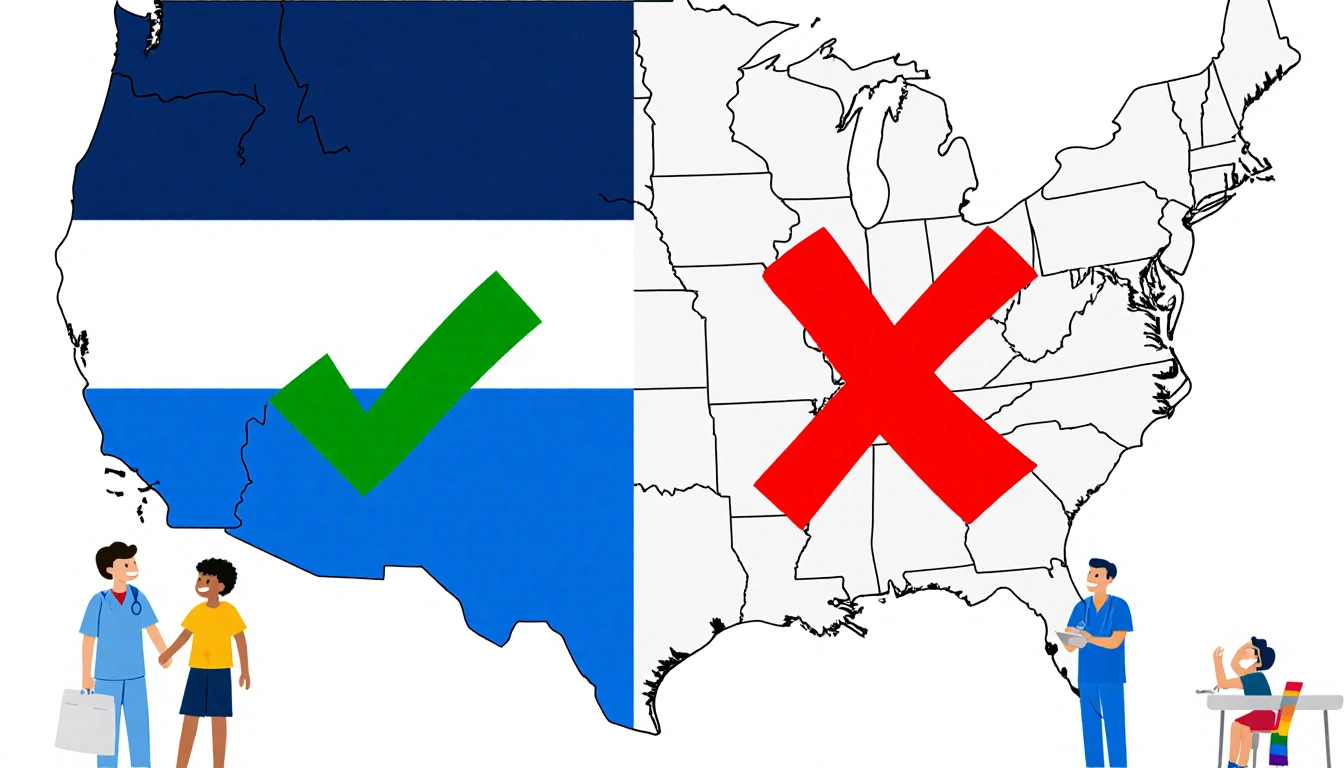
Nearly half of U.S. states currently cover gender-affirming care under Medicaid, but at least 27 states have laws restricting or banning it. The Supreme Court’s recent decision upholding Tennessee’s ban means many other state laws are likely to remain in place.
Many hospitals have already stopped offering gender-affirming care in anticipation of the new rules. “I expect some patients will still be able to get care at private clinics that don’t participate in Medicaid and Medicare,” said Hannah Edwards, executive director of Transforming Families.
Edwards, who has a 15-year-old transgender daughter, said the federal action has created a growing sense of fear even in states that have become destinations for transgender families. “The conversation that constantly happens for my family personally is: Where is our red line when we need to flee the country?”, she said.
Reactions from Medical and Advocacy Groups
Health Secretary Robert F. Kennedy Jr. called the procedures “not medicine, it is malpractice,” adding “Sex-rejecting procedures rob children of their futures.” The proposals run counter to the recommendations of major U.S. medical societies.
Rodrigo Heng-Lehtinen of The Trevor Project said, “The multitude of efforts we are seeing from federal legislators to strip transgender and nonbinary youth of the health care they need is deeply troubling.”
“This sets a very dangerous precedent for all areas of health care, if the government can cherry-pick one area of medicine to use to withhold necessary funding from entire groups of people,” said Dr. Scott Leibowitz, psychiatrist and board member of the World Professional Association for Transgender Health.
Dr. Susan Kressly, president of the American Academy of Pediatrics, warned that the rules are a “baseless intrusion into the patient-physician relationship.” She added that “patients, their families, and their physicians-not politicians or government officials-should be the ones to make decisions together about what care is best for them.”
The HHS Office of Civil Rights will also propose a rule that excludes gender dysphoria from the definition of a disability, a diagnosis that describes the distress felt when a person’s gender expression does not match their sex assigned at birth.
Context of Trump Administration Actions
The announcements build on a wave of actions by President Donald Trump and Republicans in Congress that target transgender rights nationwide. On his first day in office, Trump signed an executive order declaring the federal government would recognize only two immutable sexes: male and female. He also signed orders barring transgender athletes from girls’ and women’s sports and cutting federal spending for transition-related care.
In recent weeks, the House passed a bill that would ban Medicaid coverage for gender-affirming care for children and another bill that would open transgender health care providers to prison time if they treat people under 18. Both bills now head to the Senate.
Key Takeaways
- HHS plans to cut Medicaid, Medicare and SCHIP payments for gender-affirming care for minors.
- The proposals are not yet final and will face legal challenges.
- Hospitals and families are already feeling the pressure, with many providers ceasing care.
The federal actions have sparked strong backlash from medical societies and advocacy groups, who argue the rules threaten the health and safety of transgender youth.
Closing
The HHS proposals represent the most significant federal restrictions on transgender medical care in the Trump administration. As the rulemaking process unfolds, the stakes for hospitals, families and the broader transgender community remain high.