
Harvard research shows that talking to yourself isn’t just normal-it can actually improve your health.
The study highlights benefits such as a stronger mind-body connection and reduced stress.
It also reveals that self-talk can trigger the brain’s reward system, releasing dopamine.
These findings suggest that the simple act of speaking to oneself can be a powerful wellness tool.
Dr. Jess, Founder and CEO of Experts in Wellness, LLC, and Co-Founder and CEO of Generator Athlete Lab, shared her insights with Studio 512.
She said, “Ever catch yourself talking out loud and wonder if it’s weird? Turns out, Harvard research says it’s not only normal-it’s good for you! Self-talk can strengthen your mind-body connection, reduce stress, and even activate your brain’s reward system. Here’s what the science says and how you can use it to feel better every day.”
Her statement underscores the practical value of the research for everyday life.
It also points to ways people can harness self-talk for better mental and physical health.
The Science Behind Self-Talk
Powerful Mind-Body Connection
Harvard Health confirms that the brain and immune system are in constant communication.
The research states, “Thinking positive thoughts about healing and health sends signals to your immune system, reinforcing your body’s natural defenses.”
This illustrates how mental states can directly influence physical immunity.
Thus, positive self-talk may help strengthen natural defenses against illness.
Mindfulness and Self-Compassion
Harvard-affiliated research highlights how practices such as deep breathing, chanting, and being kind to yourself reduce stress.
The study notes, “These techniques help calm your nervous system and improve overall well-being.”
By integrating these practices into daily self-talk, individuals can foster inner peace.
Such mindfulness can enhance overall mental health according to the research.
Self-Talk as a Cognitive Tool
Talking to yourself isn’t crazy-it’s smart!
The research explains, “Self-talk helps organize thoughts, make decisions, and relax your mind. It’s like having your own personal coach on call 24/7.”
This perspective frames self-talk as a form of internal coaching.
It can therefore improve decision-making and mental clarity.
Self-Talk Activates the Reward System
Research by Harvard’s Jason P. Mitchell and Diana Tamir found that talking out loud to yourself about yourself activates the brain’s reward system.
The study reports, “Releasing dopamine-the same feel-good chemical triggered by delicious food.”
This finding links self-talk to positive emotional states.
It suggests that self-talk can produce a rewarding sensation similar to that of eating a favorite food.
Important Note
Self-talk is powerful, but it’s not a replacement for medical advice or supplements.
The article cautions, “Beware of false claims suggesting otherwise. Always follow your doctor’s recommendations and use self-talk as an adjunct to your wellness routine.”
This emphasizes the need for professional guidance in health matters.
It also stresses that self-talk should complement, not replace, conventional care.
Expert Insight
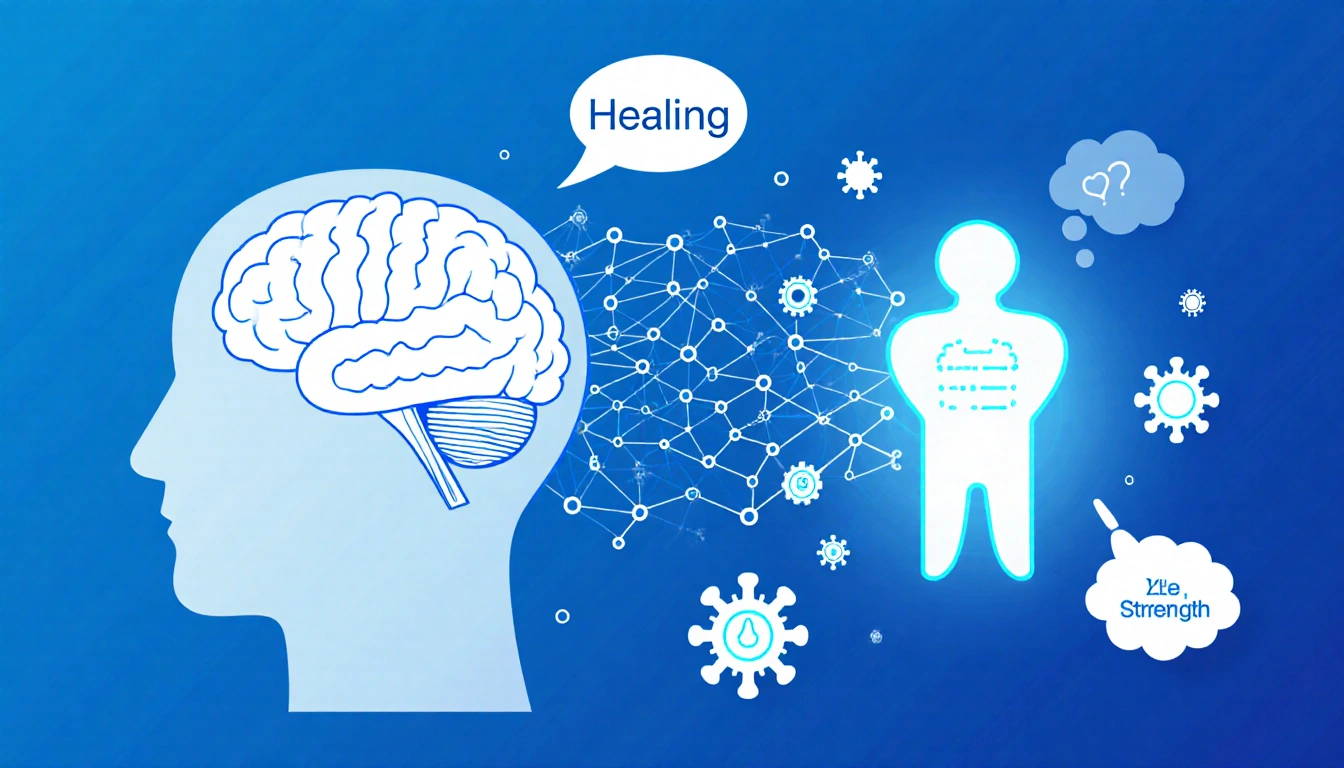
Dr. Jess recommends incorporating self-talk into your daily habits for better mental and physical health.
She invites readers, “Want personalized guidance? Book a free discovery call with Dr. Jess here.”
This offers a direct avenue for individuals seeking tailored advice.
It also reflects her commitment to supporting wellness through practical tools.
Key Takeaways
- Harvard research confirms self-talk strengthens the mind-body connection.
- Self-talk activates the brain’s reward system, releasing dopamine.
- Use self-talk safely alongside medical advice for optimal wellness.
The findings from Harvard provide a clear scientific basis for incorporating self-talk into daily life.
By following Dr. Jess’s guidance, individuals can use this simple practice to enhance their mental and physical well-being.
The article reminds readers that self-talk is an adjunct, not a replacement, for medical care.
With the right approach, talking to oneself can become a reliable tool for health and happiness.