U.S. Treasury Department announced Wednesday that it has frozen the assets of the Cartel Santa Rosa de Lima (CSRL) and its imprisoned leader, Jose Antonio Yepez Ortiz, also known as “El Marro”. The move signals that the United States will not tolerate the cartel’s fuel theft and violence. The sanctions also prohibit American companies and individuals from engaging with anyone who may be acting on behalf of Ortiz or the CSRL. The Treasury’s announcement follows years of armed conflict between the CSRL and the Jalisco New Generation Cartel (CJNG) over control of Guanajuato’s “Bermuda Triangle”. The cartel’s operations span drug trafficking and fuel theft, making Guanajuato one of Mexico’s deadliest states. The Treasury Department said the sanctions aim to cut off the cartel’s financial lifeline and protect U.S. interests.
Targeting Cartel Santa Rosa de Lima
Cartel Santa Rosa de Lima is headquartered in the Mexican state of Guanajuato. The Treasury said the organization derives revenue from drug trafficking and fuel theft. It has been involved in an extended armed conflict with the Jalisco New Generation Cartel (CJNG). The struggle over Guanajuato’s “Bermuda Triangle” has turned the region into one of the country’s deadliest areas. The cartel’s fuel theft operations involve siphoning crude from pipelines and hijacking tanker trucks. The Treasury’s statement indicates that the cartel’s profits are used to fund violence and corruption across Mexico.
Treasury’s Rationale
The Treasury Department cited the cartel’s illicit fuel activities as a key reason for the sanctions. The Treasury also warned that “Through these schemes, Mexican cartels steal billions of dollars from Pemex (the Mexican national oil agency), fuel rampant violence and corruption across Mexico, and undercut legitimate oil and natural gas companies in the United States,” the Treasury said. The agency highlighted that stolen fuel is sold on the black market throughout Mexico, the United States, and Central America. It also noted that stolen crude oil is smuggled into the United States through complicit Mexican brokers. The smuggled oil is often mislabeled as waste oil or other hazardous material to avoid scrutiny and evade taxes and regulations. The Treasury said these practices allow cartels to repatriate profits back to Mexico. The sanctions aim to disrupt the financial flows that support the cartel’s operations.
Treasury’s Statements
“Stolen fuel is sold on the black market around Mexico, the United States, and Central America. Stolen crude oil is smuggled into the United States through complicit Mexican brokers and often mislabeled as waste oil or other hazardous material to avoid scrutiny and evade taxes and regulations,” the Treasury said in a statement. The Treasury also said, “Stolen crude is sold at a steep discount to complicit U.S. buyers and the profits repatriated to the cartels in Mexico, the Treasury alleges.” The agency stated that these schemes enable Mexican cartels to steal billions of dollars from Pemex, the Mexican national oil agency. The Treasury’s statement also noted that the cartel’s fuel theft fuels rampant violence and corruption across Mexico.
Impact on U.S. Business
The sanctions prohibit American companies and individuals from doing business with anyone who may be acting on behalf of Ortiz or the CSRL. The Treasury’s announcement includes a ban on providing services or goods to the cartel or its affiliates. The U.S. government seeks to prevent U.S. firms from being used as conduits for cartel profits. The Treasury’s sanctions also target the cartel’s financial networks within the United States. The agency’s goal is to cut off the cartel’s ability to launder money through U.S. banks. The sanctions are expected to deter U.S. companies from engaging in illicit trade with the cartel.
Enforcement Details
Under the sanctions, any U.S. entity that transacts with the cartel is required to report the activity to the Treasury. The Treasury’s Office of Foreign Assets Control (OFAC) will enforce the restrictions. Companies must conduct due diligence to ensure they are not dealing with individuals linked to Ortiz or the CSRL. The sanctions also require U.S. citizens to refrain from providing financial assistance to the cartel. Failure to comply can result in civil and criminal penalties. The Treasury has issued guidance to help firms understand their obligations under the new rules.
Background on Jose Antonio Yepez Ortiz
Jose Antonio Yepez Ortiz, also known as “El Marro,” was arrested by Mexican authorities in 2020. He was charged with kidnapping and sentenced to 60 years in prison in 2022. Despite his incarceration, Ortiz remains active from behind bars, according to the Treasury. The agency alleges he sends orders to cartel members through visiting lawyers or family members. Ortiz reportedly brokered an alliance between the CSRL and the Gulf cartel in Tamaulipas, the Mexico-South Texas area, while imprisoned. The Treasury’s sanctions target Ortiz’s leadership role and his ongoing influence over cartel operations.
Prison Activity
Mexican prosecutors detained Ortiz on suspicion of kidnapping in 2020. A judge later sentenced him to 60 years in prison for the kidnapping charge. Ortiz’s continued activity from prison has raised concerns about the effectiveness of the penal system. The Treasury said that he remains a key figure in the cartel’s hierarchy. The agency claims Ortiz coordinates operations through intermediaries who visit him. The sanctions aim to limit his ability to direct cartel activities from prison.
Alliance with Gulf Cartel
During his imprisonment, Ortiz negotiated a partnership between the CSRL and the Gulf cartel operating in Tamaulipas. The Gulf cartel is active in the Mexico-South Texas region. The alliance is believed to enhance the CSRL’s reach across the U.S. border. The Treasury’s statement highlights Ortiz’s role in expanding the cartel’s influence. The partnership is expected to facilitate the smuggling of stolen fuel into the United States. The sanctions target this alliance as part of the broader effort to disrupt cartel operations.
Guanajuato Conflict
Guanajuato’s “Bermuda Triangle” has been a hotspot for violence between rival cartels. The CSRL and CJNG have fought for control of the region for years. The conflict has resulted in a high number of casualties and a deteriorated security situation. The Treasury’s sanctions aim to weaken the CSRL’s military capabilities. The agency believes that cutting financial resources will reduce the cartel’s ability to wage war. The sanctions also serve to protect U.S. interests in the region.
Huachicol and Pemex Losses
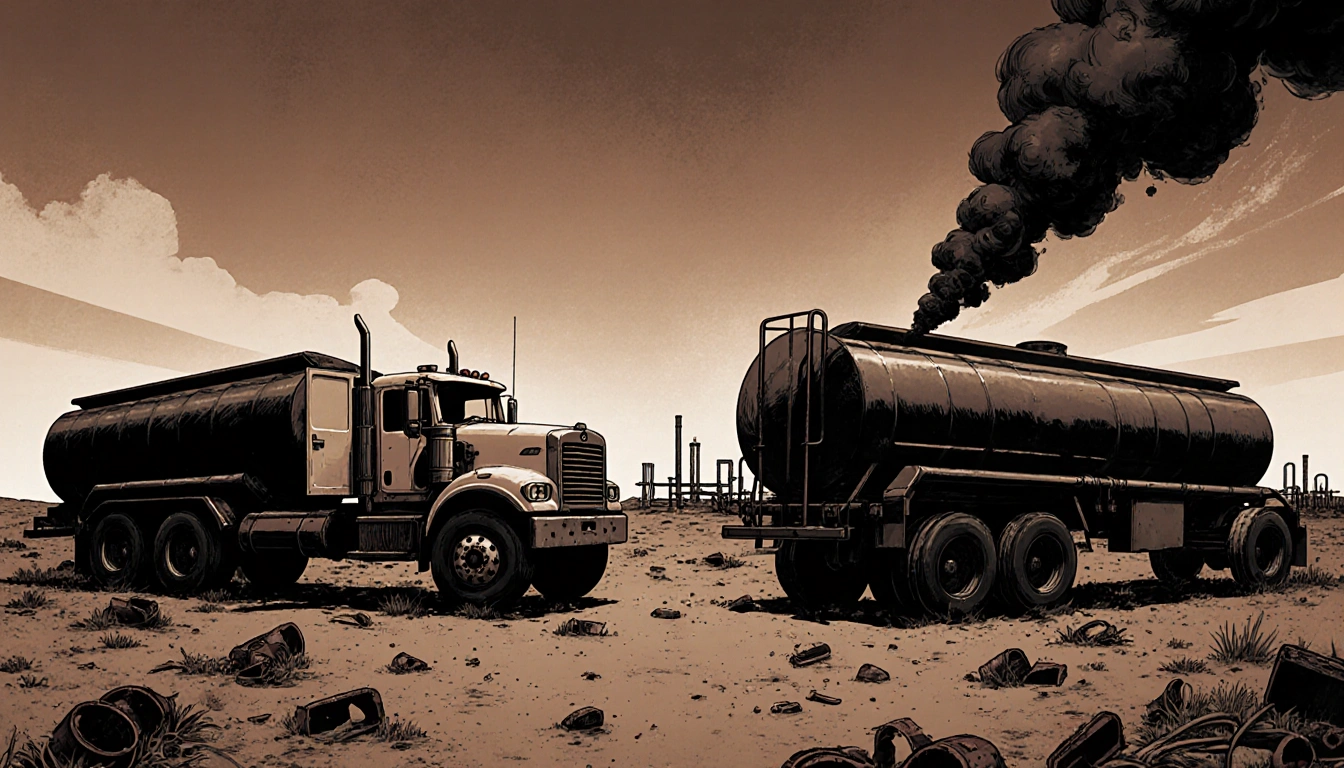
The Treasury noted that Mexican cartels have become more involved in fuel theft-related activities. The Mexican government has reported billions of dollars in lost revenue due to the practice of huachicol, or fuel theft. The cartel’s theft of fuel from Pemex involves bribing employees, drilling illegal taps, stealing from refineries, or hijacking tanker trucks. The stolen crude is often mislabeled to avoid scrutiny. The Treasury said that the cartel’s profits are used to fuel violence and corruption. The sanctions are intended to curb these illicit operations.
Key Takeaways and Summary
By freezing the assets of the CSRL and its leader, the Treasury Department seeks to dismantle the cartel’s financial infrastructure. The sanctions also aim to prevent U.S. businesses from inadvertently supporting cartel activities. The move underscores the United States’ commitment to combating cross-border crime. The Treasury’s announcement reflects a broader strategy to target the economic foundations of Mexican cartels. The sanctions are expected to create significant disruptions for the CSRL’s operations. The U.S. government will continue to monitor the cartel’s activities and enforce the restrictions.