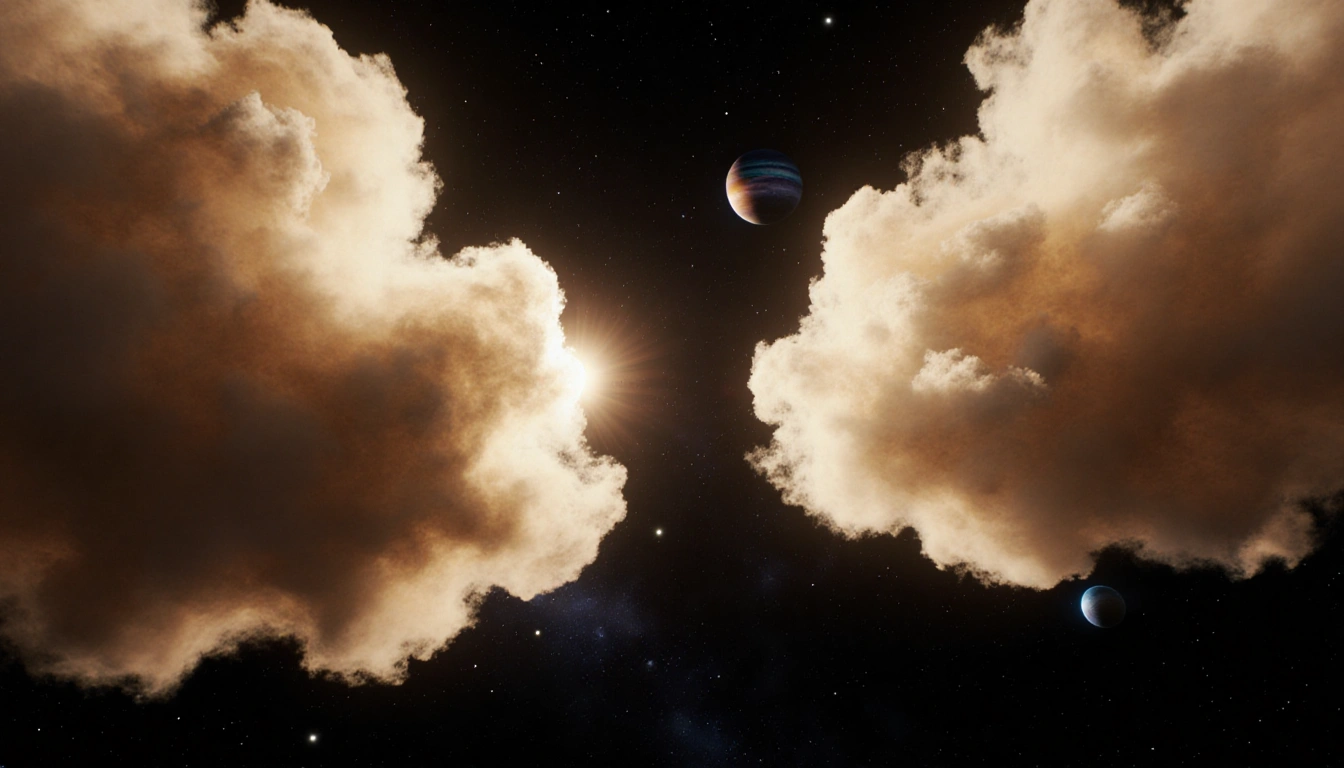
Hubble Space Telescope’s latest images revealed the aftermath of two massive cosmic collisions around the nearby star Fomalhaut, a finding that could rewrite how often such events happen.
Two Dust Clouds That Look Like Planets
In 2023, Hubble’s photographs showed a bright spot near Fomalhaut that had disappeared, while a new one appeared. The change indicated that the spots were not planets but clouds of dust produced when large space rocks collided.
Scientists estimate the colliding bodies were at least 37 miles (60 kilometers) wide. The dust clouds were dense enough to mimic planets, but over time the debris spread out and faded.
A Surprise Frequency
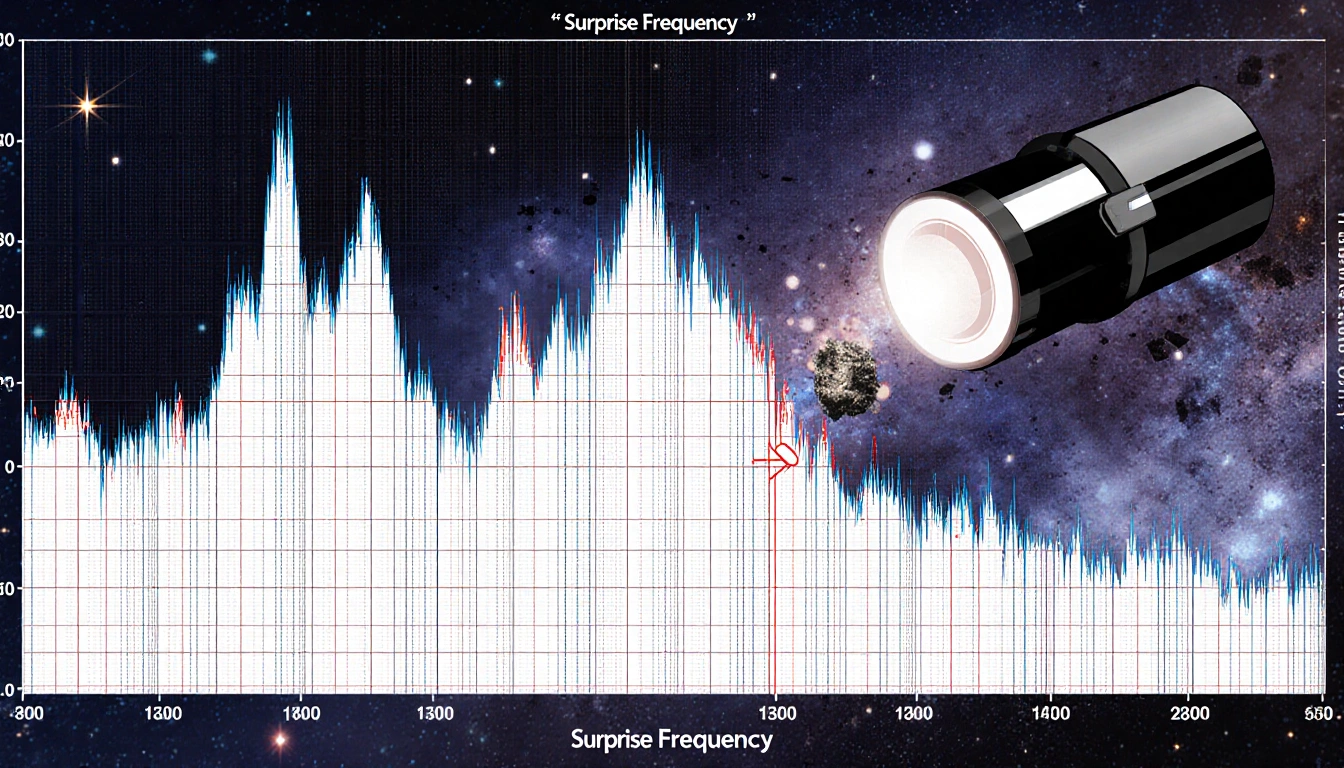
Joshua Lovell of the Harvard-Smithsonian Center for Astrophysics emailed the study’s authors, saying the area was “highly unexpected” to have “two, unique, massive collisions inside 20 years.” He had no role in the research, which was published Thursday in the journal Science.
The collisions may be rarer than thought, but the observations could also suggest they happen more often than models predict. More data will be needed to confirm.
Why It Matters
Meredith MacGregor, an astrophysicist at Johns Hopkins University who was not involved with the study, described the findings as “like taking a toddler picture of our solar system.”
Paul Kalas, the study’s lead author from the University of California, Berkeley, said that by “catching these violent explosions in real time,” scientists can better understand how planets form.
The star Fomalhaut lies only 25 light years from Earth-each light year about 6 trillion miles-making it a convenient laboratory for studying planetary birth.
Key Takeaways
- Hubble captured two dust clouds around Fomalhaut that were once mistaken for planets.
- The colliding bodies were at least 37 miles wide, and the events occurred within a 20-year span.
- The findings challenge existing models of how often large space rock collisions happen.
The new observations offer a rare glimpse of planetary formation processes and may prompt a reassessment of collision rates in young star systems.