
EU leaders are poised to make a historic decision that could reshape the bloc’s financial policy. At a summit beginning Thursday, they will debate tapping 210 billion euros of frozen Russian assets to finance Ukraine’s needs for the next two years.
The Urgency Behind the Proposal
Ukraine is on the brink of bankruptcy. The International Monetary Fund estimates that the country will need 137 billion euros ($160 billion) in 2026 and 2027, and it must secure the money by spring. The EU has pledged to deliver the funds in some form. European Commission President Ursula von der Leyen told EU lawmakers on Wednesday, “One thing is very, very clear. We have to take the decision to fund Ukraine for the next two years in this European Council.”
The Reparations Loan Plan
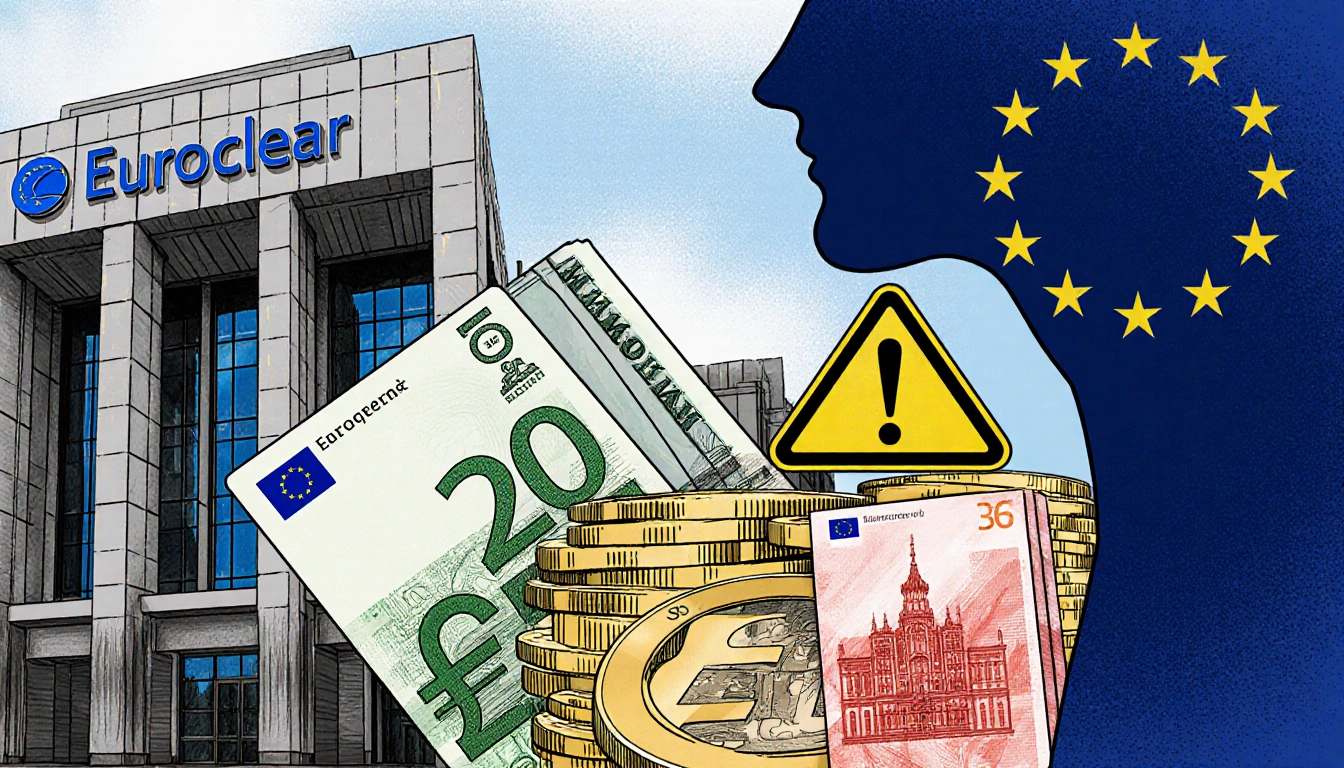
The Commission’s preferred route is a 90-billion-euro “reparations loan” backed by the frozen assets. The UK, Canada and Norway would cover the remaining gap. The proposal would use the assets held by the Russian Central Bank in Euroclear, a Brussels-based clearing house. The European Central Bank warned that seizing the assets could damage international trust in the euro single currency.
Euroclear has expressed concern that the plan is legally shaky and could drive international investors away. The commission insists its reasoning and legal basis are sound, but the clearing house fears a loss of reputation. The Russian Central Bank has already sued Euroclear in a Moscow court, a move that appears unlikely to succeed but adds pressure before the summit.
A Second Option: Market-Based Funding
The Commission also outlined a second possibility: raising the money on international markets, similar to how it underwrote a major economic recovery fund after the coronavirus pandemic began. Belgium prefers this route, but it would require unanimous agreement from all 27 member states. Hungary has refused to fund Ukraine and Prime Minister Viktor Orbán positions himself as a peacemaker.
Voting Dynamics and Potential Roadblocks
The reparations loan would only need a two-thirds majority of member countries to pass. Hungary cannot veto it alone, but Slovakia might say no. Belgium, Bulgaria, Italy and Malta still need to be convinced. Even if all six countries reject the loan, they would not have a blocking minority, because the proposal would be approved by a majority.
The loan would be refunded only if Russia ends its war and pays hundreds of billions of euros in war damages-a scenario many Europeans doubt Putin would undertake. Running a steamroller over Belgium, which has a great stake in the outcome and deep concerns about the loan, could undermine the entire European project and make future voting majorities more difficult.
Uncertainty Ahead of the Summit
On the eve of the summit, it remained unclear how the plan would work, what guarantees each country would give to reassure Belgium that it does not face Russia alone, and whether the leaders can actually approve it outright this week. “It’s a really new approach. Everyone has questions,” said a senior EU diplomat involved in the negotiations, who was appointed to brief reporters on the latest developments on the condition that he not be named.
Key Takeaways
- EU leaders may tap frozen Russian assets to fund Ukraine for two years, a move that could set dangerous precedents.
- The reparations loan would use 210 billion euros of assets to back a 90-billion-euro loan, with the UK, Canada and Norway filling the gap.
- The proposal faces legal, political and security challenges, including concerns from the ECB, Euroclear, and the Russian Central Bank’s lawsuit.
The summit’s outcome will shape not only Ukraine’s future but also the EU’s financial and legal framework for years to come.