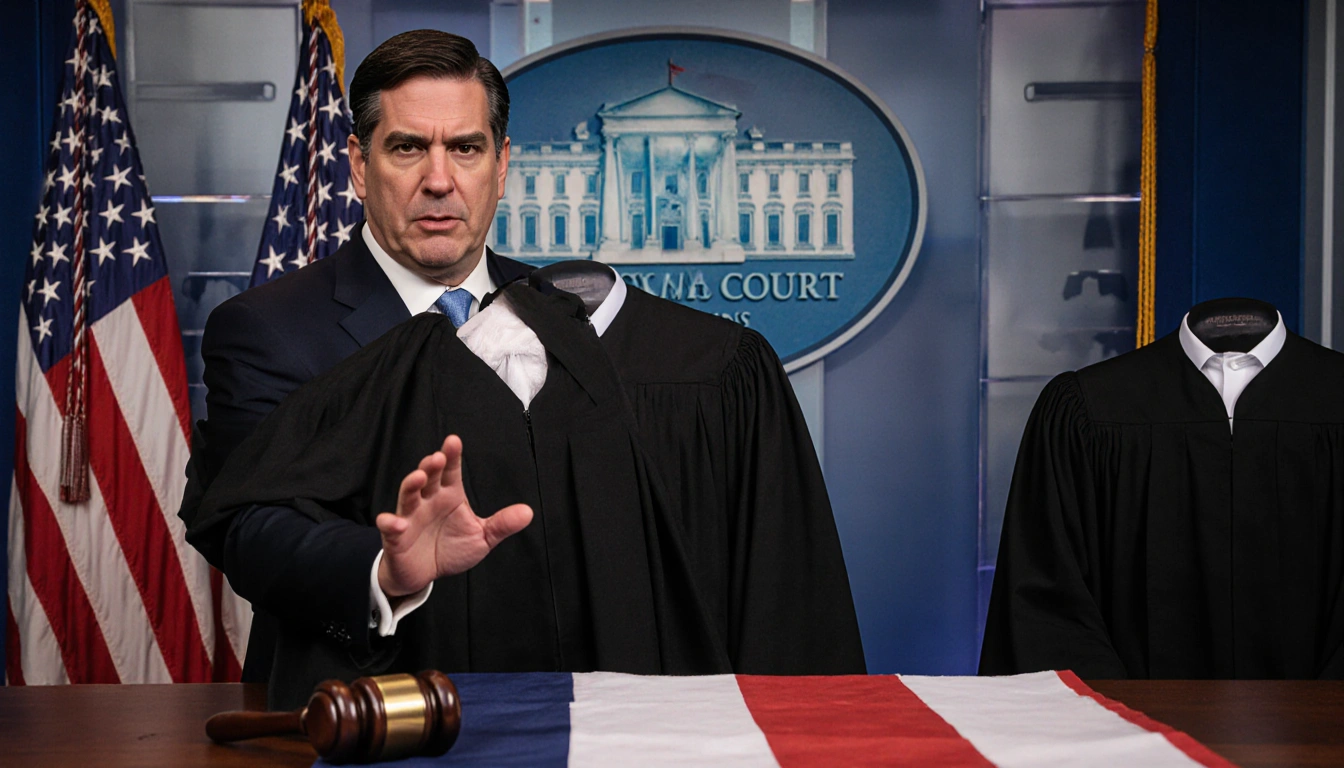
In a move that has drawn sharp criticism from the International Criminal Court and Israeli officials, the Trump administration announced sanctions against two judges of the ICC.
Sanctions Target Judges Gocha Lordkipanidze and Erdenebalsuren Damdin
Judge Gocha Lordkipanidze of Georgia and Judge Erdenebalsuren Damdin of Mongolia are the two ICC officials designated for penalties. The sanctions can include a freezing of assets in U.S. jurisdictions and a ban on travel to the United States. Both judges have been involved in investigating Israeli officials for possible war crimes during Israel’s war against Hamas in Gaza. The U.S. government has deemed their actions as threatening national sovereignty.
Secretary of State Marco Rubio Announces the Move
Secretary of State Marco Rubio said Thursday that he had designated the two judges for sanctions. He released the announcement during a statement on the White House website. Rubio’s statement outlined the specific penalties that could be applied. The sanctions are part of a broader U.S. strategy against ICC personnel.
Context: A Series of ICC Sanctions
The two judges are the latest in a series of ICC judges and staffers targeted by the Trump administration. The U.S. has sanctioned officials for approving or advancing criminal complaints about Israel and the United States. The court is not a member of either country. The sanctions aim to protect U.S. and Israeli interests.
Previous Sanctions on ICC Personnel
Earlier, the Republican administration imposed sanctions on the former ICC chief prosecutor. Nine judicial and support staff members, including lawyers and investigators, were also sanctioned. These actions followed the ICC’s investigation into Israeli officials. The U.S. cited violations of sovereignty and improper jurisdiction.
Rubio’s Rationale
“The ICC has continued to engage in politicized actions targeting Israel, which set a dangerous precedent for all nations,” Rubio said. He added that the U.S. would not tolerate ICC abuses of power. Rubio highlighted violations of the sovereignty of the United States and Israel. He also warned that U.S. and Israeli persons were wrongly subject to the ICC’s jurisdiction.
ICC’s Immediate Response
The Hague-based ICC reacted quickly to the announcement. The court said it “deplores” the move. In its statement, the ICC expressed concern over the independence of its judicial institution. The court emphasized its mandate and the importance of impartiality.
Independence and Impartiality
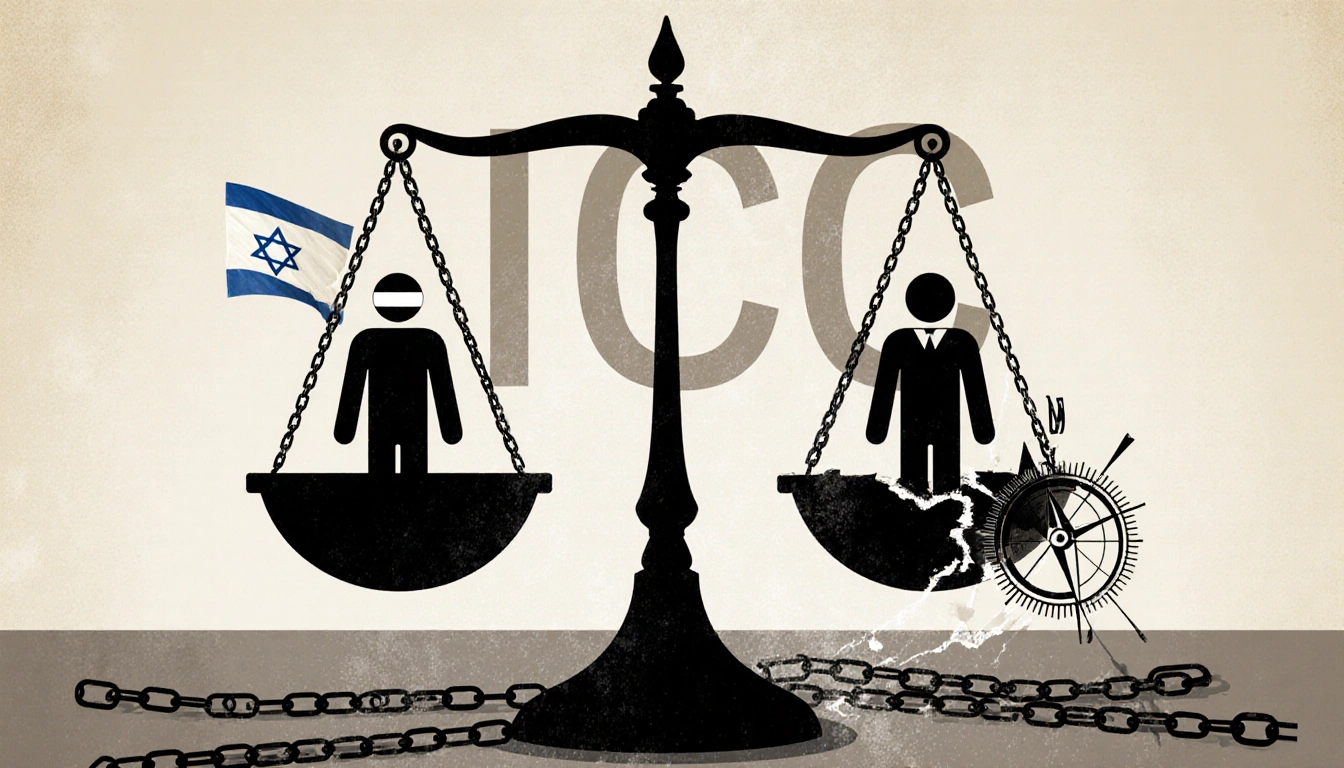
The ICC statement stressed that the sanctions were a “flagrant attack” against an impartial judicial institution. It noted that the court operates pursuant to the mandate conferred by its states parties. The statement warned that targeting judges undermines the rule of law. The ICC reaffirmed its commitment to independence.
The Court’s Structure
The ICC has 18 judges who are elected by states parties. The court’s mandate covers war crimes, genocide, and crimes against humanity. It has jurisdiction over crimes committed in member states. The court’s independence is critical for international justice.
ICC’s Ongoing Mandate
The ICC said it would continue to carry out its mandate “with independence and impartiality.” The court emphasized that its work remains essential. It highlighted that judicial actors must be able to apply the law without fear. The statement underscored the international legal order.
Background: Arrest Warrants Issued Last Year
The sanctions come after a panel of ICC judges issued arrest warrants last year. The warrants targeted Israeli Prime Minister Benjamin Netanyahu and former defense minister Yoav Gallant. The warrants were part of the ICC’s investigation into alleged war crimes. The U.S. government opposed the warrants.
Netanyahu’s Reaction
Benjamin Netanyahu condemned the warrant against him. He said Israel “rejects with disgust the absurd and false actions” by the court. Netanyahu described the warrant as a violation of national sovereignty. He called it an affront to Israel’s security.
Gallant’s Statement
Yoav Gallant said the decision “sets a dangerous precedent against the right to self-defense and moral warfare.” He accused the court of encouraging murderous terrorism. Gallant’s remarks echoed Netanyahu’s criticism. He warned that the ICC’s actions could harm Israel’s defense.
Impact on ICC Independence
The sanctions raise concerns about the independence of the ICC. Targeting judges who are elected by states parties undermines the rule of law. The ICC’s statement warned that judicial actors threatened for applying the law risk the international legal order. The sanctions could deter future investigations.
Effect on U.S. and Israeli Persons
The sanctions specifically aim to protect U.S. and Israeli persons from ICC jurisdiction. The U.S. government argues that the ICC’s actions violate the sovereignty of both nations. The sanctions are intended to prevent U.S. and Israeli officials from being subject to the court. The U.S. claims the sanctions are necessary for national security.
Legal Basis for the Sanctions
The ICC is not a member of the United States or Israel. The U.S. government cites this status to justify sanctions. The sanctions are aimed at officials who have advanced criminal complaints against the two countries. The legal basis rests on protecting sovereign interests.
U.S.-ICC Diplomatic Context
The U.S. has a history of tension with the ICC. Previous sanctions targeted ICC personnel for investigations involving Israel. The Trump administration’s actions are part of a broader strategy to limit the ICC’s influence. The sanctions reflect a longstanding U.S. stance on ICC jurisdiction.
Potential Diplomatic Fallout
The sanctions may strain U.S. relations with the ICC and other member states. They could also affect diplomatic ties in the Middle East. The ICC’s condemnation signals international disapproval. The U.S. may face backlash from the international community.
Associated Press Contribution
Associated Press writer Molly Quell in The Hague contributed to this report. Quell provided on-site coverage of the ICC’s reaction. Her reporting includes direct quotes from ICC officials. The AP’s involvement ensures accurate dissemination of facts.
Key Takeaways
- Trump sanctions two ICC judges over Israel war crimes investigation.
- The sanctions include asset freezes and travel bans.
- The ICC decries the move as an attack on judicial independence.
Closing Summary
The Trump administration’s sanctions against Judges Gocha Lordkipanidze and Erdenebalsuren Damdin represent a significant escalation in U.S. opposition to ICC investigations involving Israel. The move has prompted immediate condemnation from the ICC and criticism from Israeli leaders. The sanctions underscore the ongoing tension between the United States and the International Criminal Court over jurisdiction and sovereignty. The situation remains fluid, with potential diplomatic repercussions for both the U.S. and the international community.