
On Friday, the U.S. Department of Justice made a long-awaited release of thousands of documents tied to the late financier Jeffrey Epstein, a move that quickly turned into a flashpoint for critics and supporters alike.
The File Dump
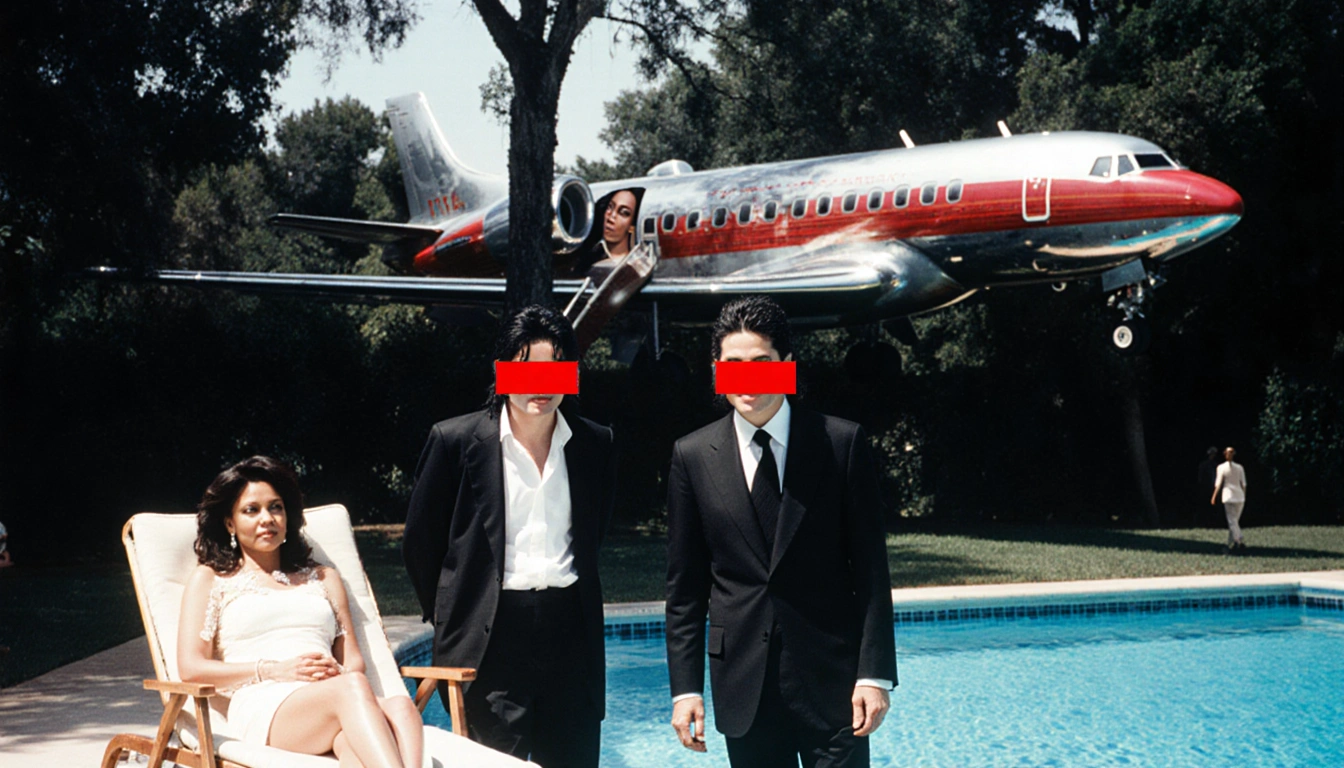
The Justice Department’s upload was dominated by photographs-about 4,000 images, most taken by the FBI during searches of Epstein’s New York City and U.S. Virgin Islands homes. The release also included call logs, court records, and other documents, many of which are heavily redacted. Victim-identifying information and any material depicting sexual or physical abuse was specifically barred from disclosure.
Deputy Attorney General Todd Blanche had told Fox News that the agency expected “several hundred thousand files” to appear on the website that day, with many more slated for future releases. In a letter to Congress, Blanche admitted the production was incomplete and that the DOJ plans to finish its release by year-end.
Photos of Bill Clinton Spark Social Media Fire
A significant portion of the public interest in the dump centers on images of former President Bill Clinton. Clinton has confirmed that he flew on Epstein’s private jet, but a spokesperson said he was unaware of Epstein’s criminal conduct. The released photos show Clinton on a private plane, in a pool with Ghislaine Maxwell, beside Michael Jackson and Diana Ross, and in a hot tub-each image featuring a face that was redacted.
White House press secretary Karoline Leavitt reacted to the hot-tub photo on X with a brief “Oh my!” and a shocked face emoji. Clinton’s deputy chief of staff, Angel Ureña, countered on the platform, stating, “this isn’t about Bill Clinton” and adding, “There are two types of people here. The first group knew nothing and cut Epstein off before his crimes came to light. The second group continued relationships with him after. We’re in the first.”
Minimal Trump Footprint and Other High-Profile Figures
Trump’s presence in the files was limited. The few photographs of him were already in the public domain for decades, and the former president made no mention of the release during a rally that evening in North Carolina. The dump did include a photo of Prince Andrew, shown in a tuxedo on the lap of several women-an image that echoes accusations from Epstein’s accuser Virginia Giuffre.
Marina Lacerda, a survivor who says she was assaulted by Epstein beginning at age 14, criticized the release as “incomplete” and urged the DOJ to remove redactions that she believes are unnecessary.
Lawmakers Demand Full Disclosure
Reps. Ro Khanna (D-Calif.) and Thomas Massie (R-Ky.) had introduced a discharge petition that ultimately forced the DOJ’s release. Both lawmakers took to social media to denounce the partial dump. Massie wrote that the release “grossly fails to comply with both the spirit and the letter of the law,” while Khanna called it “disappointing.”
Sen. Jeff Merkley (D-Ore.) added that by missing the deadline the administration was “denying justice to Epstein’s victims” and that he was “exploring all avenues and legal tools to get justice for the victims and transparency for the American people.”
The House Oversight Committee has issued a subpoena for the Epstein files, offering another congressional route to compel additional releases-though doing so would require Republican support in contempt proceedings.
Key Takeaways
- The DOJ released roughly 4,000 files, mostly photographs, far fewer than the hundreds of thousands expected.
- Images of Bill Clinton and Prince Andrew dominated social media chatter, while Trump’s presence was minimal.
- Democratic lawmakers criticize the partial release and seek further disclosure through subpoenas and legal action.
The Justice Department has pledged to continue releasing documents over the coming weeks, but the extent and speed of future disclosures remain uncertain. As the public and lawmakers await more information, the debate over transparency and accountability in the Epstein investigation shows no sign of easing.