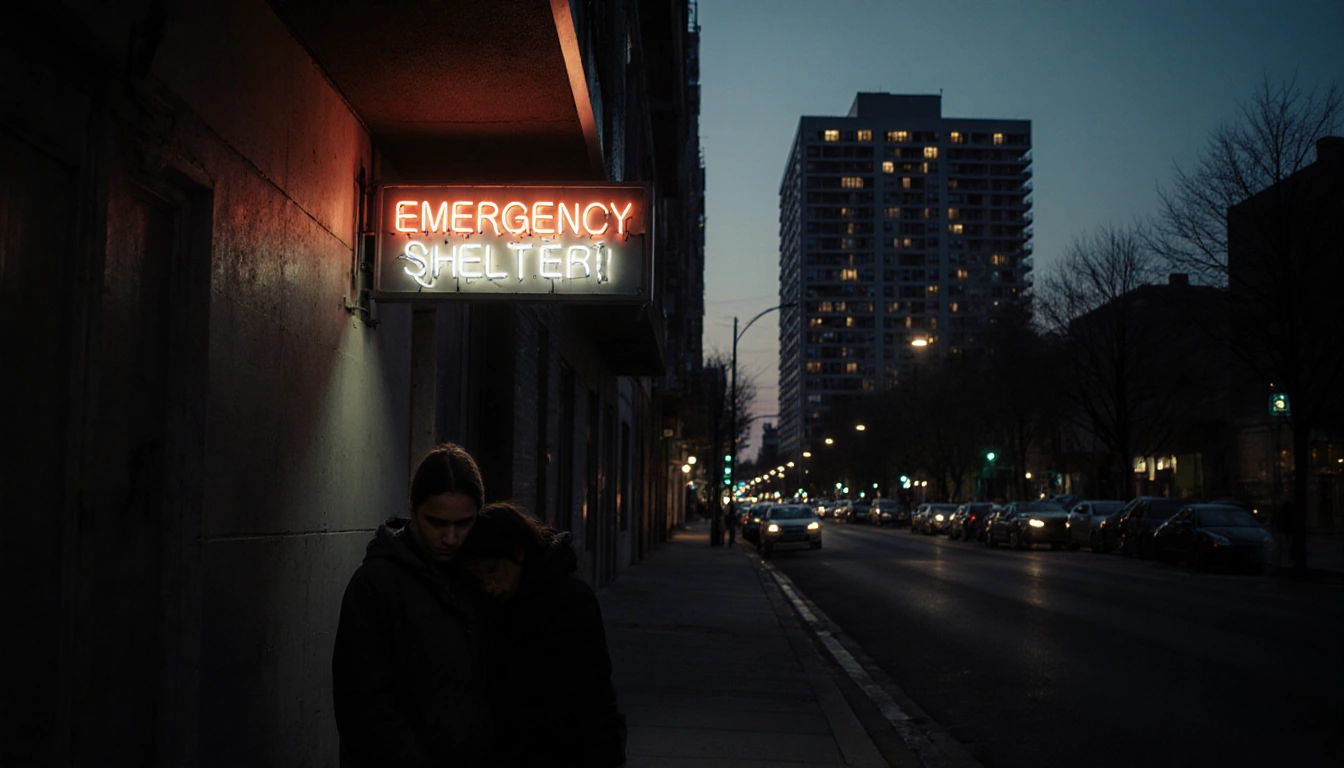
In a rare move for the city, Austin opened its overnight cold‑weather shelters Sunday night into Monday morning, providing refuge for 143 people and two families who were placed in hotels.
First Activation of the Season
The shelters were activated for the first time this winter after the projected low temperature hit 35 °F or below. Austin leaders announced that more than 140 people took advantage of the city’s emergency shelters during the overnight period.

Deputy director Chris Anderson of Austin Homeless Strategies and Operations explained the decision at a cold‑weather preparations news conference on Monday. He said, “143 people were placed in overnight shelter along with two families who were placed in hotels.” The activation marked a significant step in the city’s efforts to protect vulnerable residents during extreme weather.
How the Shelters Operate
Every day during the cold‑weather season, city officials assess whether an activation is necessary. Anderson noted, “Every day during the cold weather season we assess whether or not we’re going to make an activation in the days and day of every morning.” Once a decision is made, a coordinated messaging response is sent out between 9 a.m. and 10 a.m.
When the shelters are activated, residents are asked to meet at One Texas Center between 6 p.m. and 8 p.m. From there, they are transported to the shelter by city bus.
Operational Changes for the Year
The city made several adjustments to shelter operations this year. Anderson highlighted the most important changes:
- Extended Stay – Residents can remain at a shelter if it is scheduled to reopen the following night. Previously, people were discharged during the day and asked to return the next night for overnight shelter.
- Later Departure – The morning departure time has been moved from 6:30 a.m. to 10 a.m. Anderson explained, “Because many mornings, 6:30 in the morning is the coldest time of day.”
Despite these updates, Anderson emphasized that the core operation remains unchanged. “Consistency for people who need the help is critical,” he said.
Impact on Residents
The changes aim to reduce the stress and uncertainty that residents experience during cold‑weather emergencies. By allowing longer stays and later departure times, the city hopes to provide a more stable and comfortable environment for those in need.
The shelters also serve as a vital safety net for individuals who might otherwise be exposed to dangerous temperatures. With the new policies in place, residents have a clearer understanding of what to expect when the city activates the shelters.
Key Takeaways
- Austin opened its overnight cold‑weather shelters for the first time this winter, housing 143 people and two families in hotels.
- The city’s activation protocol involves daily assessments and a morning messaging window from 9 a.m. to 10 a.m.
- Operational changes include extended stays, a later departure time of 10 a.m., and consistent procedures to support residents.
The activation demonstrates Austin’s commitment to protecting its most vulnerable citizens during severe weather events.