
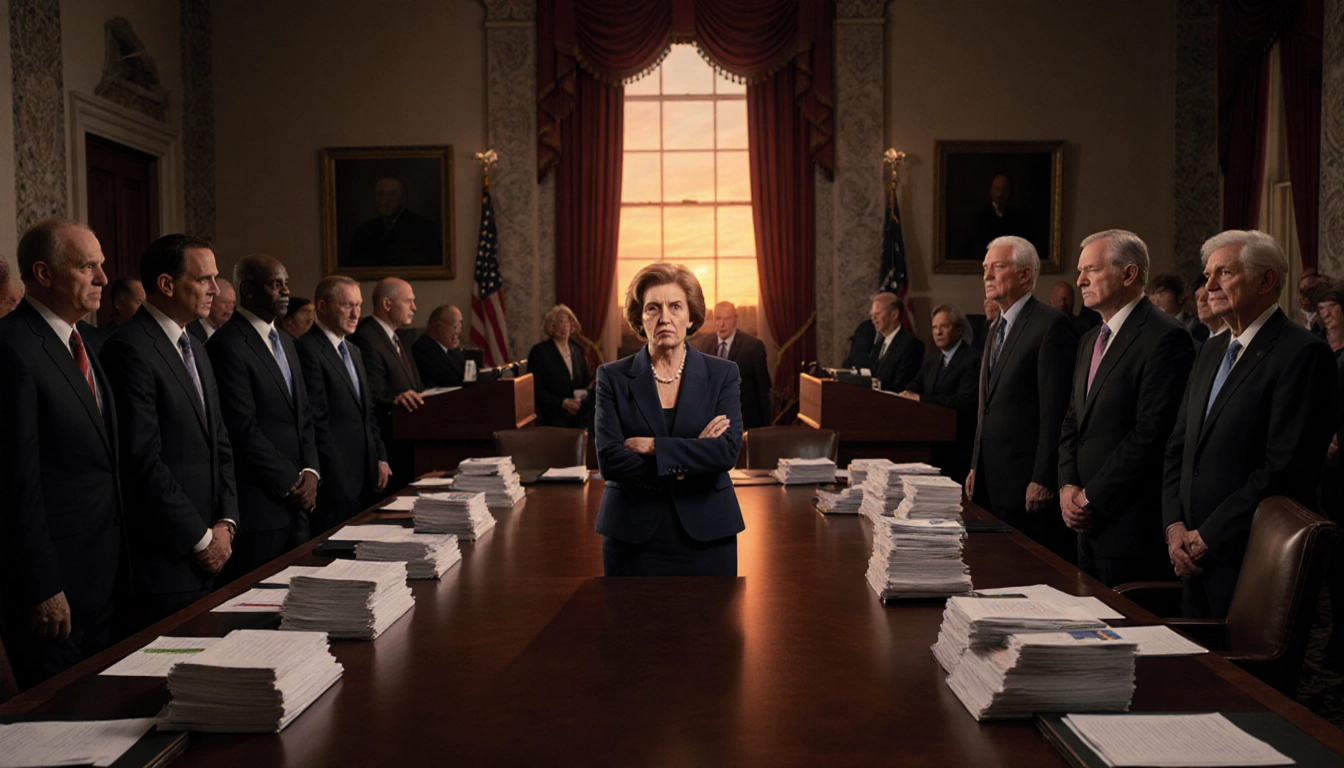
In a rare move that split party lines, the U.S. House of Representatives approved a bill that would make it a federal crime for anyone to provide gender-affirming medical care to minors.
The Bill and Its Purpose
The legislation, sponsored by Representative Marjorie Taylor Greene of Georgia, would criminalize a range of gender-affirming procedures and treatments for individuals under the age of 18. The bill targets surgeries, puberty blockers, and hormone therapies, labeling them as illegal under federal law when administered to minors.
Greene’s Deal with Leadership
Greene secured a deal with House leadership to bring her bill to the floor. In exchange, she supported a rule that advanced the National Defense Authorization Act the week before. This political trade-off was pivotal in moving the measure forward.
The Vote and Cross-Party Dynamics
The bill passed the House on Wednesday with a vote of 216 to 211. While most Republicans voted in favor, the margin was narrow, and the outcome reflected a blend of partisan and issue-based positions.
Unexpected Democratic Support
Three Democrats-Reps. Henry Cuellar of Texas, Don Davis of North Carolina, and Vicente Gonzalez of Texas-joined the majority of Republicans in voting for the bill. Their support surprised many observers, given the bill’s controversial nature.
Republican Opposition
Four Republicans-Reps. Mike Lawler of New York, Brian Fitzpatrick of Pennsylvania, Gabe Evans of Colorado, and Mike Kennedy of Utah-together with the majority of Democrats, voted against the measure. Their opposition highlighted divisions within the Republican caucus.
Greene’s Message to the Public
Ahead of the vote, Greene posted on the social platform X: “Children are NOT experiments. No more drugs. No more surgeries. No more permanent harm. We need to let kids grow up without manipulation from adults to make life altering decisions! Congress must protect America’s children!!!”
Senate Outlook
The bill has a low probability of advancing in the Senate. Republicans would need Democratic support to move the legislation forward, and the current partisan split suggests that such support is unlikely.
Tensions with Rep. Chip Roy
Tensions between Greene and Rep. Chip Roy of Texas flared before the bill’s passage. Roy, who sits on the House Rules Committee, introduced an amendment that Greene claimed would “gut the commerce clause” of her bill.
Details of Roy’s Amendment
According to the Rules Committee, Roy’s amendment sought to modify the bill by limiting federal criminal liability under certain circumstances. It aimed to “define when prohibited conduct falls within federal jurisdiction,” thereby narrowing the scope of the bill’s reach.
Greene’s Counter-Argument
Greene argued on X that her bill “criminalizes ALL pediatric gender affirming care (transgender surgeries, puberty blockers, and hormones) NOT just those receiving federal funds and protects ALL children allowing them to grow up before they make permanent changes to their body that they can never undo!!!”
Roy’s Response
Roy responded that “the constitution matters & we should not bastardize it to use ‘interstate commerce’ to empower federal authorities.” He emphasized the importance of constitutional limits.
Final Stance on the Amendment
In a statement released on Wednesday, Roy said he would not offer the amendment “to avoid any confusion about how united Republicans are in protecting children from these grotesque procedures.”
Key Takeaways
- The House approved a bill criminalizing gender-affirming care for minors, passing 216-211.
- The vote featured cross-party support: three Democrats backed the bill, while four Republicans joined the opposition.
- Rep. Chip Roy’s amendment attempt highlighted internal Republican disagreements over the bill’s scope and constitutional implications.
The passage of the bill marks a significant legislative action on a highly contested issue. While the measure clears the House, its future in the Senate remains uncertain due to the need for bipartisan support and the divided sentiment among lawmakers.