In a decisive move, the House voted Wednesday on two war-powers resolutions aimed at limiting President Donald Trump’s military actions against drug cartels and the nation of Venezuela.
War-Powers Resolutions and Congressional Debate
Democrats used the War Powers Act of 1973 to force the votes, arguing that the administration has destroyed 25 vessels allegedly carrying drugs and killed at least 95 people. The proposed legislation would require the Trump administration to obtain congressional authorization before continuing attacks on cartels deemed terrorist organizations in the Western Hemisphere or before launching an operation against Venezuela.
Rep. Gregory Meeks, the top Democrat on the House Foreign Affairs Committee, said the president’s “aggressions in the region were really because the president is coveting Venezuelan oil.”
Reactions to the Sept. 2 Strike
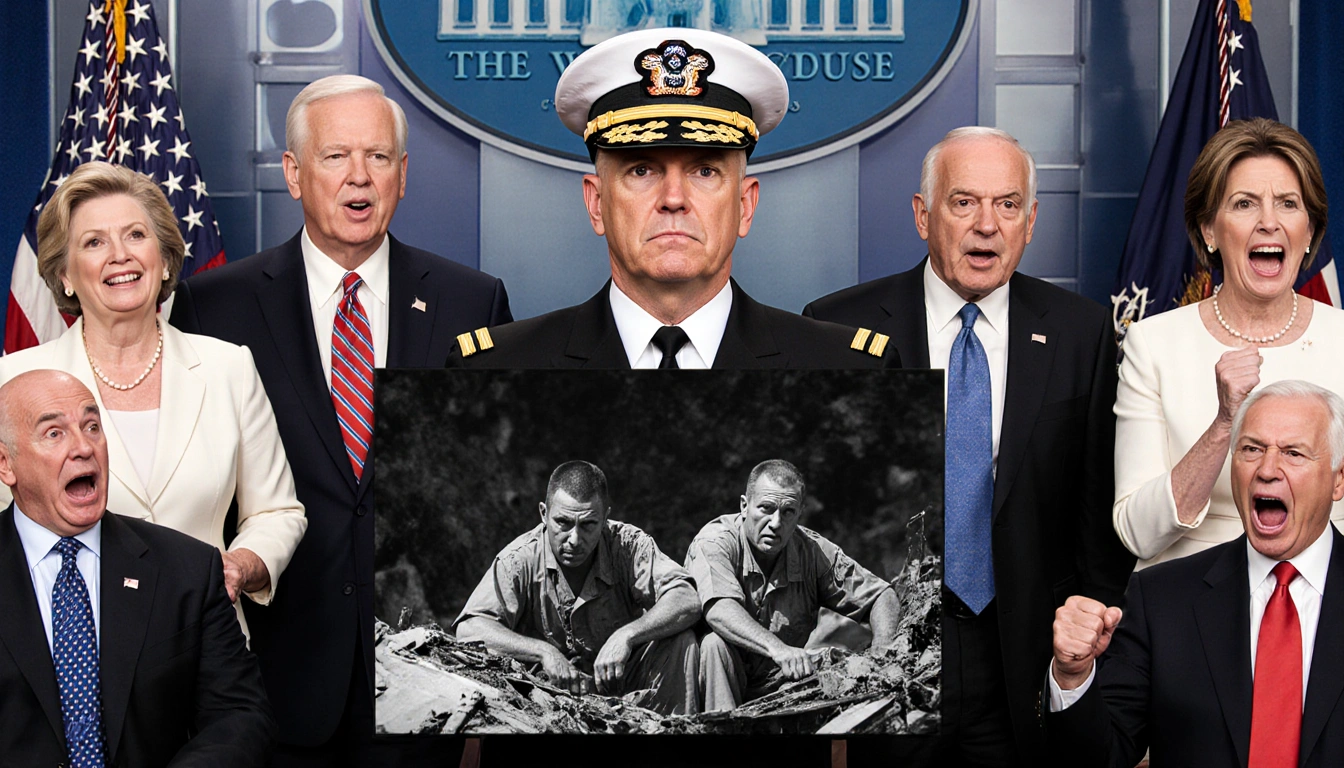
The Navy admiral who ordered the September 2 strike, which killed two survivors of an earlier attack, returned to Capitol Hill for classified briefings. After viewing the video, lawmakers split in their reactions. Republicans praised the intelligence-driven decision, while Democrats found the image of two people clinging to a wreckage shocking and called for it to be made public.
Sen. Richard Blumenthal said, “I think there are serious questions about criminal culpability here, and there is certainly a need for more intensive federal investigation.”
Rep. Seth Moulton, a former Marine, confirmed that the survivors were “helpless” and that “there is significant evidence that they were not continuing their mission.”
GOP leaders, however, signaled an end to investigations opened under Republican committees. Rep. Mike Rogers said the panel’s inquiry into the strike was over and that the follow-up video should not be released unless it is “declassified to the level that we don’t compromise tactics, techniques and procedures.” Sen. Roger Wicker echoed that “we know all we’re going to know as a matter of oversight.”
Republican and Democratic Positions
Sen. John Thune, Senate Majority Leader, noted he was unsure if the administration had “publicly stated” a desire for regime change, but added, “I would certainly not have a problem if that was their position.” He also called Nicolás Maduro “a cancer on that continent.”
Rep. Don Bacon, a former brigadier general, said the boat strike was lawful but that continued hostility “does require congressional approval.”
Democrats questioned whether Trump’s campaign is truly about stopping drug trafficking. They criticized the president’s pardon of former Honduras President Juan Orlando Hernández, who was sentenced last year to 45 years for moving hundreds of tons of cocaine to the U.S. A few Republicans joined the critique, noting that the escalation against Venezuela has not met Trump’s promise to disengage from overseas military commitments. Rep. Thomas Massie remarked, “If it were about drugs, we’d bomb Mexico or China or Colombia,” adding, “This is about oil and regime change.”
Key Takeaways
- The House voted on war-powers resolutions that could halt Trump’s strikes on drug cartels and Venezuela without congressional approval.
- The September 2 strike, which killed two survivors, sparked a split in congressional opinion and highlighted concerns over transparency and legality.
- Republican leaders remain divided, with some supporting the campaign and others calling for oversight, while Democrats continue to challenge the administration’s motives.
The debate underscores lingering uncertainty about the extent of congressional authority over the president’s military actions in Central and South America.