
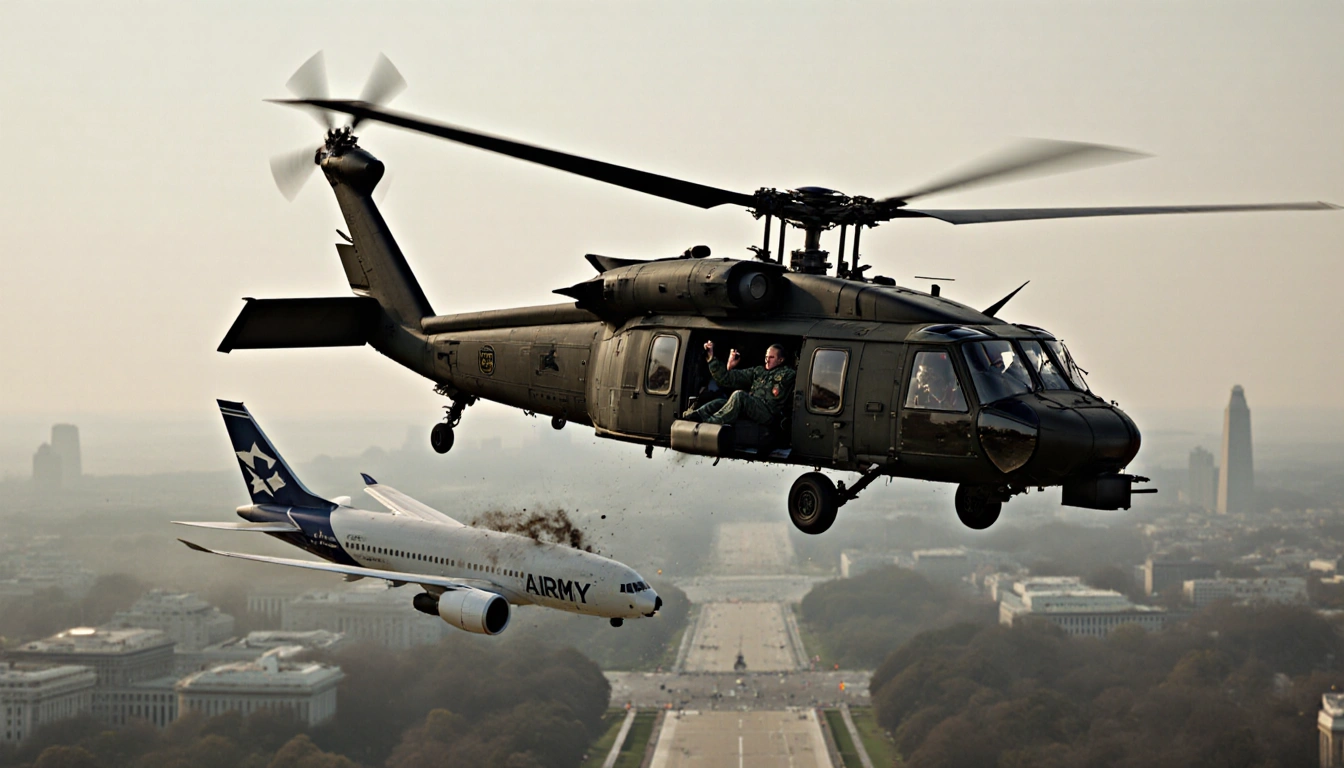
A sudden move by the U.S. Senate on Wednesday afternoon closed a loophole that could let military aircraft operate without broadcasting their positions, a flaw that was exposed when an Army Black Hawk helicopter collided with an airliner over Washington, D.C., killing 67 people.
Senate Action on ADS-B
Hours after the Senate passed a large defense bill that contained controversial provisions for military flights, lawmakers approved a bipartisan measure requiring all aircraft to use Automatic Dependent Surveillance-Broadcast (ADS-B) technology to broadcast their locations. Republican Senator Ted Cruz said the tragedy “could have been avoided” if the Army Black Hawk had been using its ADS-B system to broadcast its location before the crash. He added that the bill “should save lives.”
Cruz also noted that the House’s next step is unclear, but the White House supports the Senate version and will help push the legislation forward. He remains optimistic that the bill could reach the president’s desk as early as next month.
Why ADS-B Is Critical
The National Transportation Safety Board (NTSB) identified 85 near-miss incidents in the three years leading up to the crash. The Black Hawk involved in the fatal collision had a system capable of broadcasting its position to the tower, but it was flying with the system turned off. Military officials had concerns that the system would allow observers to pinpoint the helicopter’s location during training missions.
For decades the NTSB has recommended that all aircraft carry locator systems that can both send out a signal with their location and receive data from other aircraft. Resistance has come from potential cost burdens on average Cessna owners and privacy concerns, as the system would enable continuous tracking.
Existing ADS-B Use and Gaps
Commercial airline jets and newer general-aviation planes already have ADS-B Out, which broadcasts their positions. However, advanced ADS-B In systems that can receive location data from other aircraft are not common. The new bill will close this gap by making ADS-B mandatory for all aircraft, including military helicopters.
Military and FAA Coordination
The legislation also requires a comprehensive review of safety at airports nationwide to ensure that the hazards contributing to the Reagan National Airport crash are addressed. It mandates that the military and the Federal Aviation Administration (FAA) share safety data more freely.
In March, the FAA mandated that all military helicopters turn on their locator systems at all times when flying through the crowded airspace around the nation’s capital. The agency also paused takeoffs and landings whenever a helicopter was passing an airport and closed some routes to prevent helicopters and planes from sharing the same airspace.
FAA Administrator Bryan Bedford promised on Tuesday that these safety measures would be maintained even if the military bill becomes law, emphasizing the goal of keeping airspace around Washington safer.
Personal Impact
Parents Tim and Sheri Lilley, whose son Sam was the first officer on the American Airlines jet that crashed after striking the helicopter, said, “today’s action acknowledges the magnitude of that loss and affirms that meaningful change can come from it.” Their statement underscores the human cost behind the policy shift.
Key Takeaways
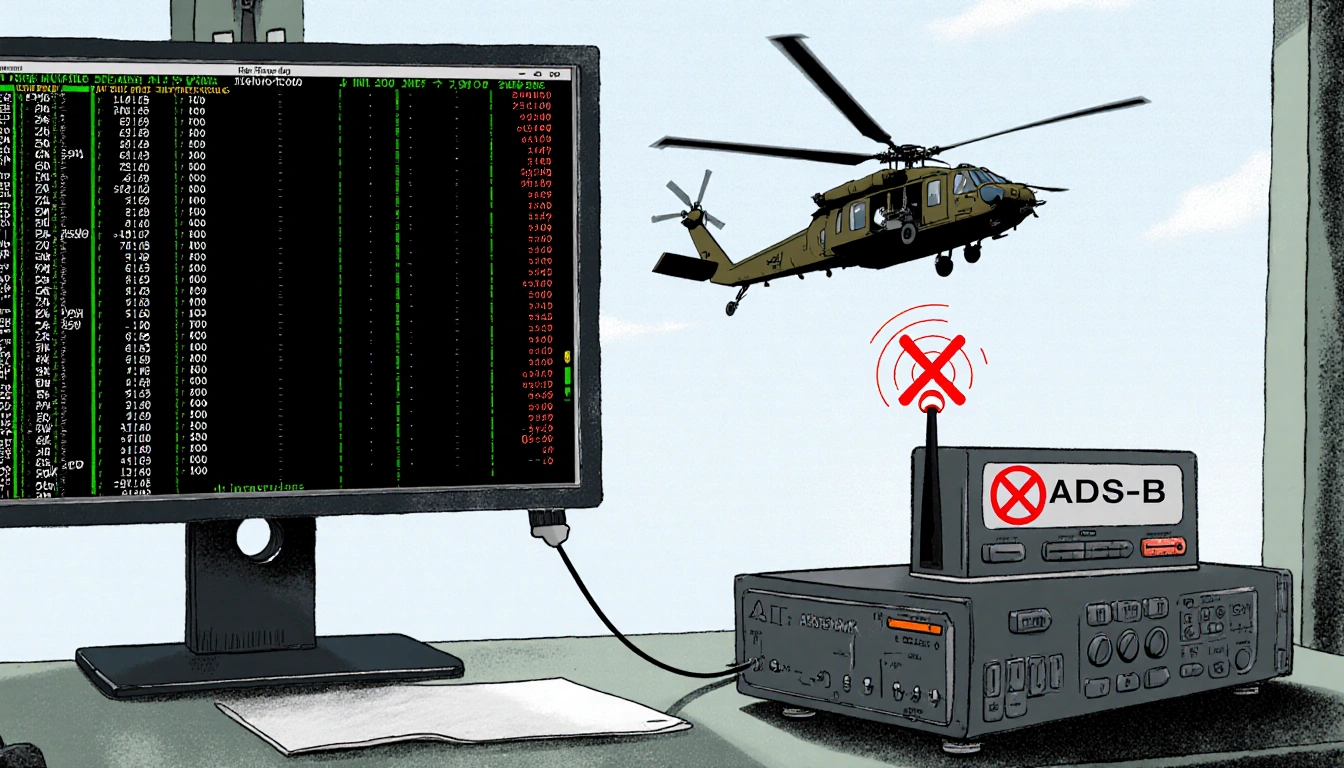
- The Senate has mandated that all aircraft use ADS-B to broadcast their positions, addressing a loophole exposed by the 2018 Washington crash.
- The move follows 85 near-miss incidents identified by the NTSB and aims to align military flight rules with those of commercial aviation.
- The bill requires a national safety review and increased data sharing between the military and the FAA, while the FAA continues to enforce strict airspace protocols around Washington.
The legislation represents a significant step toward preventing future collisions by ensuring that every aircraft in the nation’s capital’s airspace can be tracked in real time.