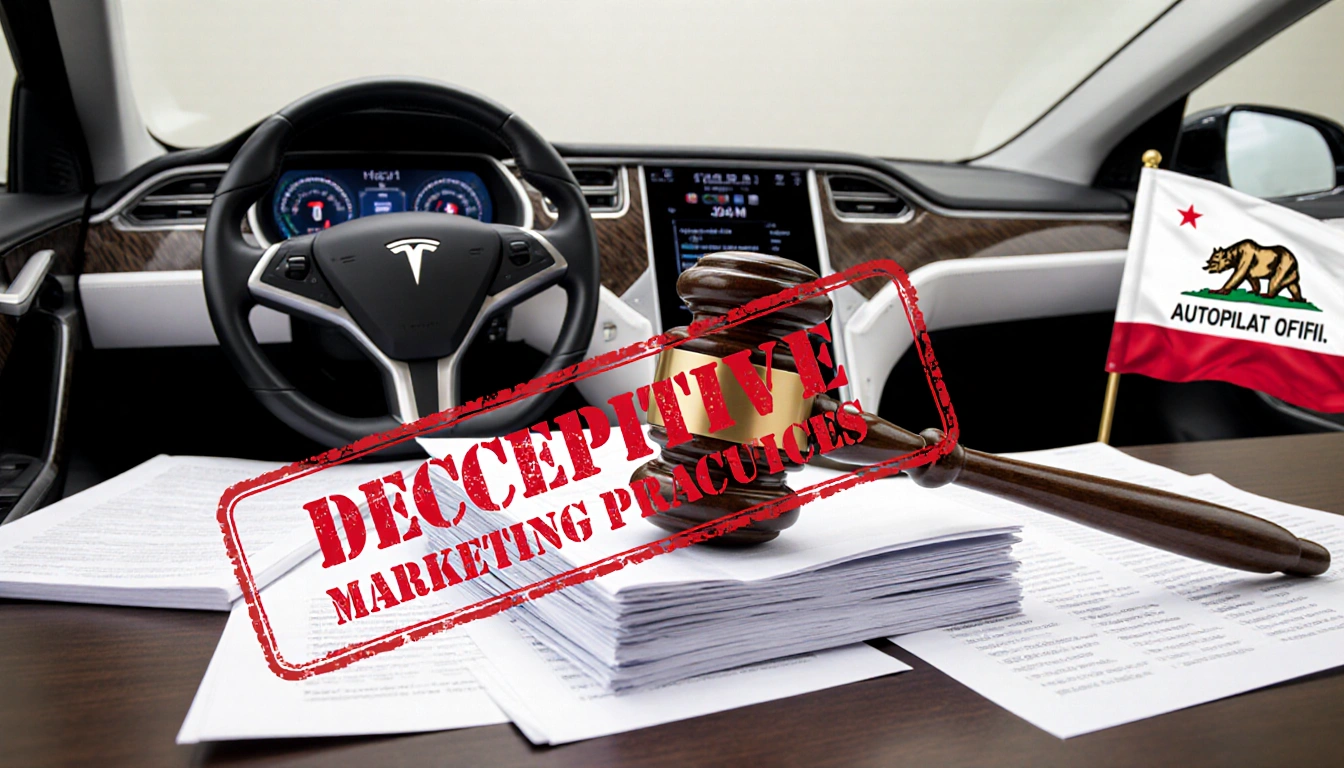
California regulators have warned that Tesla’s California sales license could be suspended early next year unless the automaker revises its marketing of self-driving features.
California Regulators Threaten Sales Suspension
The potential 30-day blackout of Tesla’s California sales is the primary punishment recommended to the state’s Department of Motor Vehicles in a decision released late Tuesday.
Judge’s Findings and Recommendations
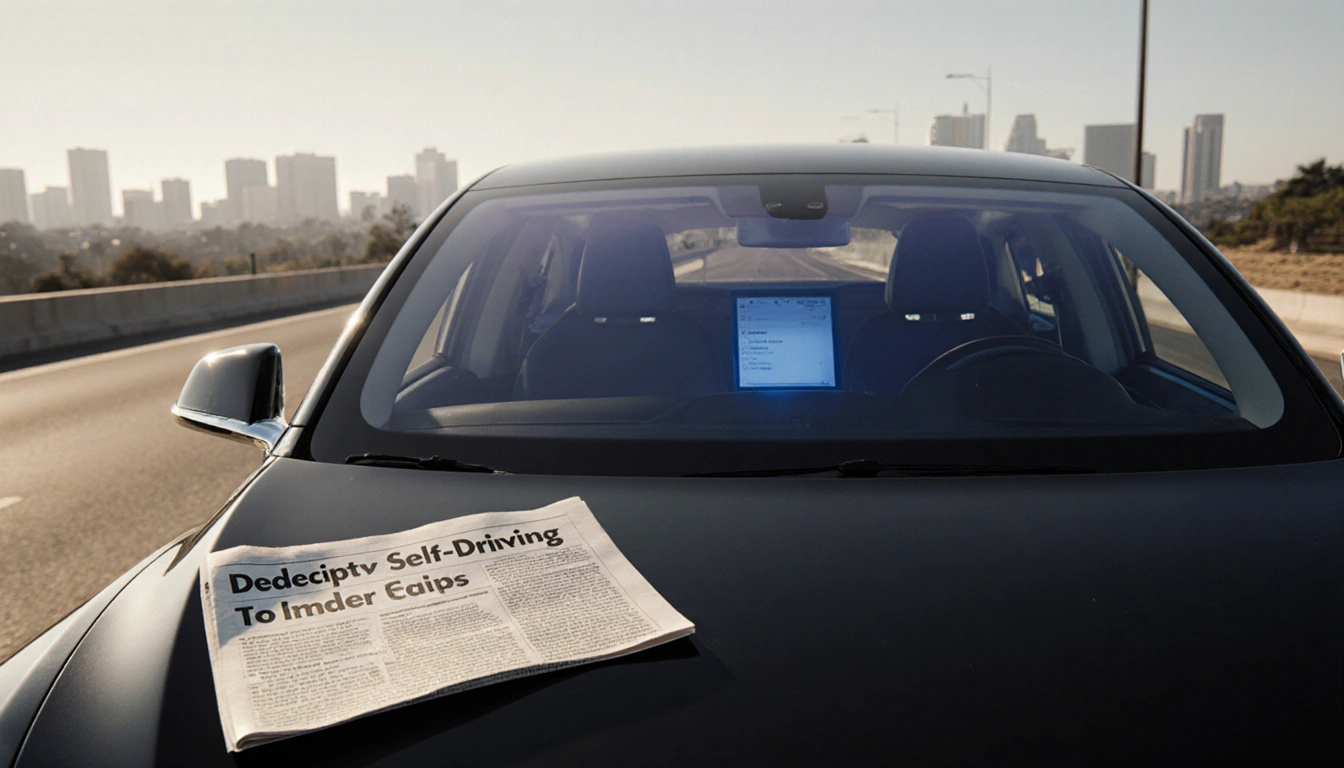
Administrative Law Judge Juliet Cox determined that Tesla had for years engaged in deceptive marketing practices by using the terms “Autopilot” and “Full Self-Driving” to promote autonomous technology available in many of its cars. After presiding over five days of hearings in Oakland in July, Cox also recommended suspending Tesla’s license to manufacture cars at its Fremont plant, though regulators have decided not to impose that part of the penalty.
Tesla’s Response and Required Changes
Tesla will have a 90-day window to make changes that more clearly convey the limits of its self-driving technology to avoid having its California sales license suspended. After California regulators filed its action against Tesla in 2023, the Austin, Texas, company already made one significant change by putting wording that made it clear its Full Self-Driving package still required supervision by a human driver while it’s deployed.
Steve Gordon, director of the California Department of Motor Vehicles, said “Tesla can take simple steps to pause this decision and permanently resolve this issue – steps autonomous vehicle companies and other automakers have been able to achieve.”
In a post on Musk’s X service, Tesla brushed off the decision as regulatory overkill. “This was a ‘consumer protection’ order about the use of the term ‘Autopilot’ in a case where not one single customer came forward to say there’s a problem. Sales in California will continue uninterrupted,” the company said.
Broader Context: Sales Decline and Legal Challenges
The automaker has been plagued by a global downturn in demand that began during a backlash to Musk’s high-profile role overseeing cuts in the U.S. government budget overseen by the Department of Government that President Donald Trump created in his administration. Increased competition and an older lineup of vehicles also weighed on Tesla sales, although the company has revamped its Model Y and unveiled less-expensive versions of the Model Y and Model X.
Tesla sales decreased by 9% from 2024 through the first nine months of this year. Despite the slump and the threatened sales suspension in California, Tesla’s stock price touched an all-time high $495.28 during Wednesday’s early trading before backtracking later to fall below $470. Despite that reversal, Tesla’s shares are still worth slightly more than they were before Musk’s ill-fated stint in the Trump administration – a “somewhat successful” assignment he recently said he wouldn’t take on again.
Tesla’s stock performance reflects investors’ increasing emphasis on Musk’s efforts to develop artificial intelligence technology for humanoid robots and a fleet of self-driving Teslas that will operate as robotaxis across the U.S. Musk has been promising Tesla’s self-driving technology would fulfill his robotaxi vision for years without delivering on the promise, but the company finally began testing the concept in Austin earlier this year, albeit with a human supervisor in the car to take over if something went awry. Just a few days ago, Musk disclosed Tesla had started tests of its robotaxis without a safety monitor in the vehicle.
California regulators are far from the first critic to accuse Tesla of exaggerating the capabilities of its self-driving technology in a potentially dangerous manner. The company has insisted that information contained in its vehicle’s owner’s manual on its website have made it clear that its self-driving technology still requires human supervision, even while releasing a 2020 video depicting one of its cars purportedly driving on its own. The video, cited as evidence against Tesla in the decision recommending a suspension of the company’s California sales license, remained on its website for nearly four years.
Tesla has been targeted in a variety of lawsuits alleging its mischaracterizations about self-driving technology have lulled humans into a false sense of security that have resulted in lethal accidents. The company has settled or prevailed in several cases, but earlier this year a Miami jury held Tesla partly responsible for a lethal crash in Florida that occurred while Autopilot was deployed and ordered the automaker to pay more than $240 million in damages.
Key Takeaways
- California regulators threaten to suspend Tesla’s California sales license unless marketing of self-driving features is clarified within 90 days.
- Judge Juliet Cox found Tesla’s use of “Autopilot” and “Full Self-Driving” terms deceptive, recommending a 30-day sales blackout and a potential manufacturing license suspension.
- Tesla’s stock has reached a new all-time high despite declining sales and legal challenges, while the company continues to test robotaxi operations without a safety monitor.
Tesla now faces a critical 90-day deadline to address California regulators’ concerns, with the future of its California sales and reputation hanging in the balance.