A federal law signed by President Donald Trump in July has lowered the minimum royalty rate for oil and gas drilling on public lands from 16.7% to 12.5%. The change could cost New Mexico up to $1.7 billion in federal royalties by 2035, a hit that threatens the state’s budget and its ambitious education plans.
How the Royalty Reset Works
Under the 1920 Mineral Leasing Act, the royalty rate had stayed at 12.5% for a century. The Biden administration raised it to 16.7% in 2022, but Trump’s July law rolled it back to 12.5%. Federal leases allow a 10-year window for drilling, so the impact will unfold gradually. Resources for the Future estimates a $6 billion drop in collections over the next decade.
New Mexico’s Heavy Dependence on Oil and Gas
New Mexico receives nearly half of the money collected through federal royalties, depending on where production takes place. The state’s general-fund budget is more than one-third tied to the oil and gas industry. Economist Brian Prest at Resources for the Future says the state could forgo $1.7 billion by 2035 and as much as $5.1 billion by 2050.
> “New Mexico’s impact is way bigger than Wyoming or Colorado or North Dakota,” Prest said, “and that’s just because that’s where the action is on new development.”
State-Level Revenue Adjustments
State officials are already preparing for leaner years. Democratic state Sen. George Muñoz of Gallup explained that lawmakers still hope to invest more in mental health care and support Medicaid, even if federal royalty payments decline.
> “It all hurts when you’re losing revenues,” said Muñoz. “We’ve learned that until the chicken’s got feathers, we’re not even looking at it.”
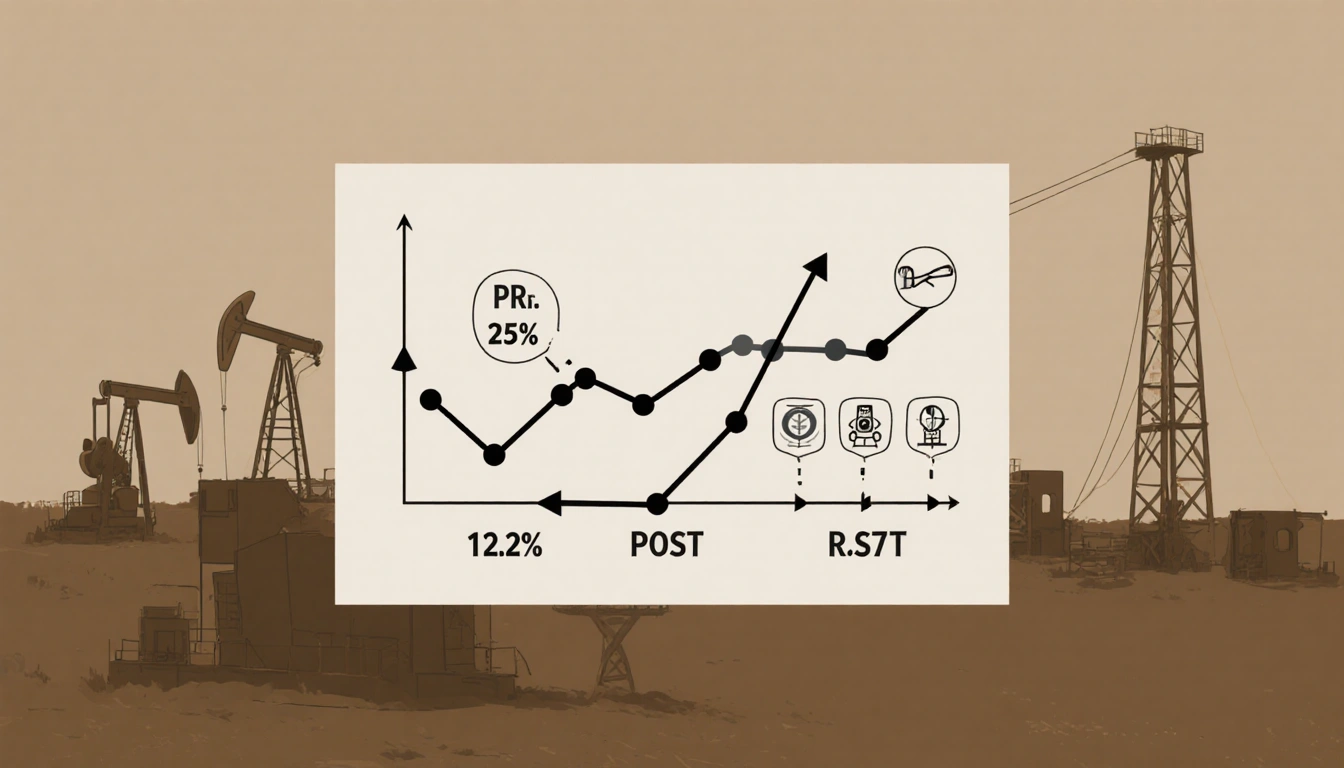
Muñoz also noted that the state raised its own royalty rates this year to 25% from 20% for new leases on prime oil and gas tracts, ending a sales moratorium under legislation he sponsored.
The Budget Crunch and Investment Nest Egg
A nearly five-fold surge in local oil production since 2017 on federal and state land delivered a financial windfall that helped fund higher teacher salaries, tuition-free college, universal free school meals and more. The state set aside billions in investment trusts for future spending, including an early-childhood education fund to expand preschool, child-care subsidies and home wellness visits for pregnancies and infants.
The trust earnings now total $64 billion, second only to Alaska’s Permanent Fund, and are New Mexico’s second-biggest source for general-fund spending. Last week, lawmakers learned that predictable income fell 1.6%-the first contraction since the COVID-19 pandemic began.
Uncertainty Over Universal Free Child Care
The slowdown has cast doubt on a universal free child-care initiative launched by Gov. Michelle Lujan Grisham last month. Some fellow Democrats in the Legislature have balked at a proposed $160 million spending increase. State Rep. Meredith Dixon of Albuquerque said hundreds of families earning more than $320,000 annually could qualify for free child care despite not needing it.
> “Universal child care is a fantastic idea,” said Dixon, a Democrat. “I 100% don’t agree with this approach.”
Lawmakers are also under a court order to carry out a remedial plan to improve K-12 education for Native American students and other low-income households.
Broader State and National Implications
After New Mexico, the states receiving the most federal oil and gas royalties are Wyoming, Louisiana, North Dakota and Texas. Texas shares the Permian Basin with New Mexico but has far less federal land and therefore less exposure to changes in royalty policy.
In Alaska, officials see the royalty cut as an opportunity for increased development. The National Petroleum Reserve-Alaska, where the Willow project is underway, could see its first lease sales since 2019.
> “If reduced federal royalty rates stimulate new leasing, exploration and production, that also could increase other kinds of revenue,” said Lorraine Henry, a spokesperson for Alaska’s Department of Natural Resources.
In North Dakota, federal royalties are split evenly between the state and county governments where drilling occurs. State Office of Management and Budget Director Joe Morrissette said the industry’s future remains difficult to forecast.
> “There are so many variables, including timing, price, availability of desirable tracts, and federal policies regarding exploration activities,” Morrissette said.
Key Takeaways
- New Mexico could lose up to $1.7 billion in federal royalties by 2035.
- The state’s budget, heavily reliant on oil and gas, faces a 1.6% contraction in predictable income.
- A universal free child-care program may be delayed amid fiscal uncertainty.
The federal royalty reset presents a significant challenge for New Mexico’s finances and its plans to expand early childhood education and other public services. State leaders are already adjusting budgets and exploring new revenue strategies to mitigate the impact.