
The U.S. Postal Service announced Wednesday that it will open its most expensive delivery segment-last-mile-to shippers of all sizes, a move that could reshape how parcels reach homes and businesses across the country.
USPS Expands Last-Mile Delivery
The postal carrier has long served as a backbone for national commerce, but its last-mile network has traditionally been used by a handful of large logistics firms. In a departure from that pattern, the agency said it will allow both large and small shippers to tap into the final leg of delivery that reaches more than 170 million addresses. The plan signals a shift toward a broader, more diversified revenue stream.
Bidding Process and Timeline
USPS expects to accept bids in late January or early February from shippers willing to propose a mix of volume, price, and delivery timing. The agency will evaluate proposals and award contracts later in 2026, based on where it can provide same- and next-day delivery service at a profit. Shippers will be invited to compete for access to the network’s 18,000 delivery distribution units.
Financial Context
The agency reported net losses of $9 billion this budget year, a slight improvement from the previous year’s $9.5 billion. As an independent and mostly self-supporting federal agency, the USPS is under pressure to find new sources of income. Expanding last-mile access is seen as a potential way to offset declining mail volumes.
Network Scale and Infrastructure
Under the new plan, shippers would have access to more than 18,000 postal service “delivery distribution units,” entry points throughout the network where mail and packages are sorted for delivery to a local area. These units are already part of the USPS’s existing sorting and distribution infrastructure, which the agency has recently modernized.
Leadership Perspective
“As part of our universal service obligation, we deliver to more than 170 million addresses at least six days a week, so we are the natural leader in last-mile delivery,” said David Steiner, the postmaster general and CEO. “We want to make this valuable service available to a wide range of customers that see the worth of last mile access -other logistics companies and retailers large and small.”
Strategic Rationale
Steiner has said the 250-year-old postal service should expand its revenue base by capitalizing on its long-standing legal obligation to deliver to every address, as well as recent modernization investments in package processing and delivery capacity. The agency believes that offering last-mile access aligns with its universal service mandate.
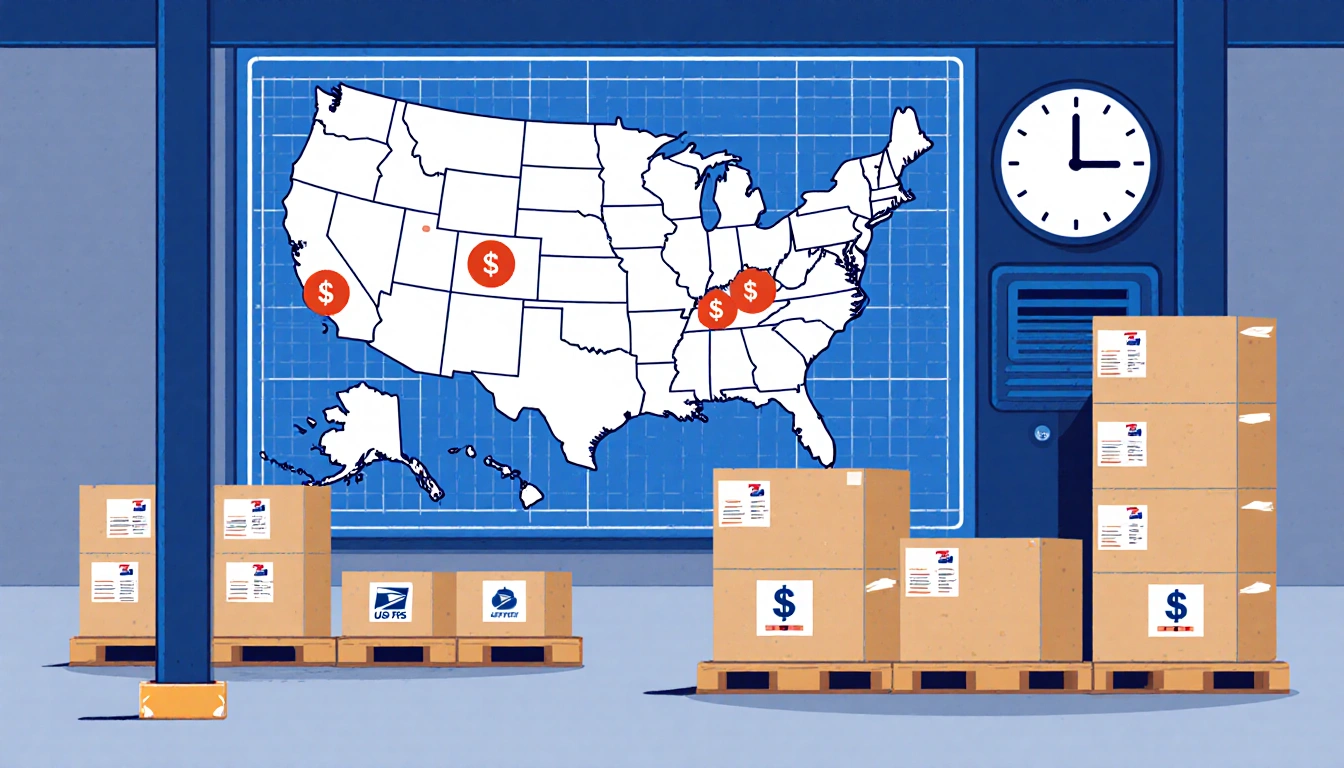
Value Proposition for Shippers
Steiner called the concept a “compelling value proposition for many shippers who we know are wrestling with the need to deliver to their customer as quickly and reliably as possible,” predicting it will ultimately help lower their costs. The quote reflects the agency’s view that the network can provide reliable, timely delivery for a wide range of shipping volumes.
Shipper Incentives
The bidding process will allow shippers to tailor proposals around volume, price, and timing. By competing for access to the USPS’s delivery distribution units, shippers could secure more predictable costs and delivery windows. The agency will award contracts only where it can maintain profitability.
Expected Impact on Delivery Services
If successful, the program could bring more last-mile options to the market, potentially reducing congestion on existing carrier routes. The USPS will still handle the sorting and distribution of packages, but shippers will take responsibility for the final delivery segment.
Implementation Timeline
Bids are slated to be accepted in late January or early February. Contracts will be awarded later in 2026, giving shippers time to prepare and integrate the USPS network into their logistics plans. The agency will refine details as it gauges interest.
Current Partnerships
The USPS currently partners with giants such as Amazon and UPS for last-mile delivery. Expanding access to a broader range of shippers marks a significant shift in its partnership strategy.
Regulatory Considerations
The agency’s expansion plan is consistent with its legal obligation to deliver to every address in the United States. It also aligns with the USPS’s independent, self-supporting status, allowing it to explore new revenue opportunities.
Modernization Investments
Recent modernization investments in package processing and delivery capacity have increased the USPS’s ability to handle larger volumes. These upgrades provide the foundation for the proposed last-mile access program.
Potential Challenges
The USPS will need to ensure that it can maintain service levels while offering the network to new shippers. Profitability will be a key metric in awarding contracts.
Future Outlook
The agency said it still plans to gauge interest in the concept and fine-tune the details. The program’s success will depend on the level of participation from shippers and the USPS’s ability to manage the expanded network.
Key Takeaways
- USPS will open its last-mile delivery network to shippers of all sizes.
- Bids expected late January/early February; contracts awarded in 2026.
- The agency aims to diversify revenue amid $9 billion net losses.
The announcement marks a bold step by the postal service to broaden its role in national logistics, offering a new avenue for revenue while reinforcing its universal service mission.