
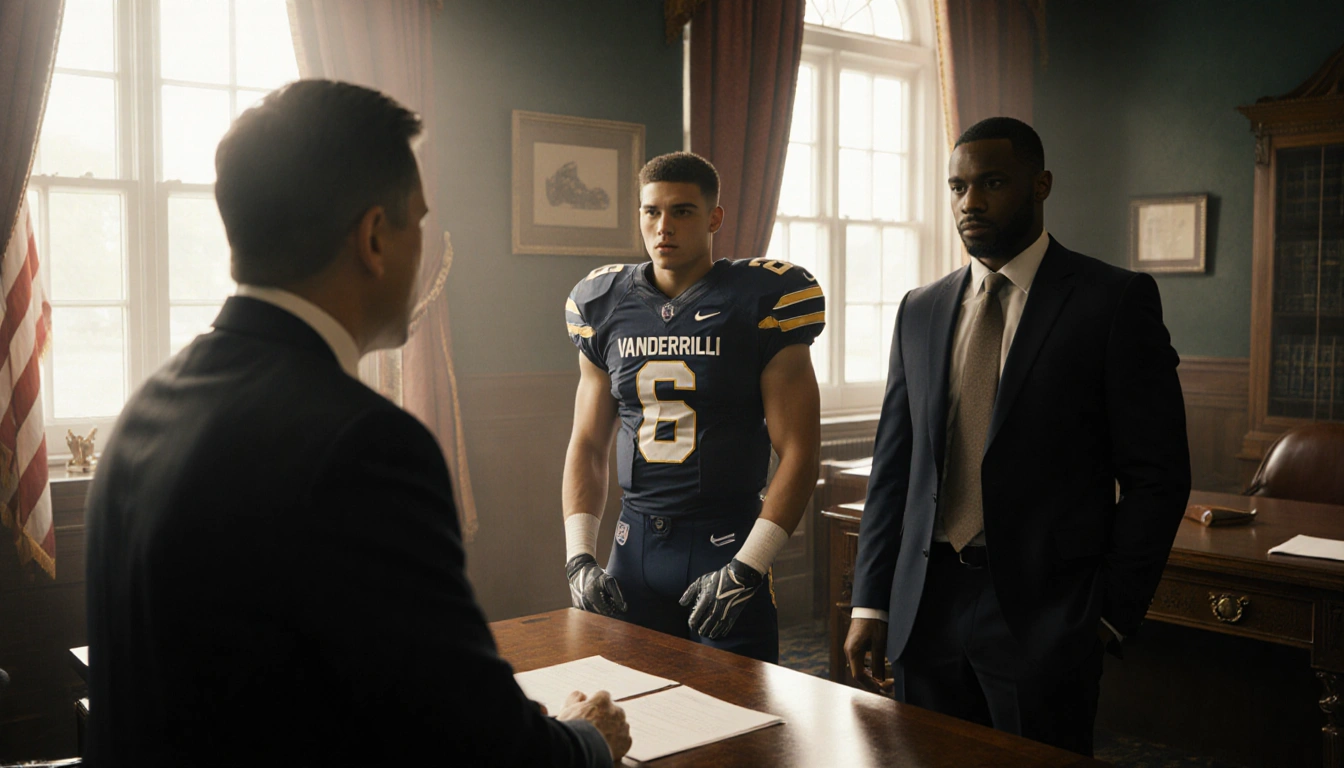
Five college football athletes from Vanderbilt, Wisconsin and Nebraska are asking a federal judge for a preliminary injunction that would let them play a fifth season next year. The move comes amid a lawsuit that challenges the NCAA’s redshirt rule as a violation of U.S. antitrust law.
The Players and Their Case
The five athletes are Vanderbilt linebacker Langston Patterson; Wisconsin kicker Nathanial Vakos, tight end Lance Mason and long snapper Nick Levy; and Nebraska long snapper Kevin Gallic. All have competed four seasons in four years without taking a redshirt. Patterson, who recently graduated with a bachelor’s degree, testified that he asked about taking a redshirt season as a freshman and was told he was too valuable. He also said that during Vanderbilt’s fifth game on September 27 he learned he would not be able to redshirt.
Mason monitored the hearing remotely, while Levy said Wisconsin would seek help if no decision comes before the transfer portal opens on January 2. Without an injunction, Vanderbilt plans to use the portal to replace Patterson with a linebacker who has two years’ experience at a similar level.
Legal Context and the Pavia Precedent
U.S. District Judge William L. Campbell granted an injunction nearly a year ago that allowed former Vanderbilt player Diego Pavia to play this season. Pavia finished as the Heisman Trophy runner‑up and helped Vanderbilt finish 10‑2.
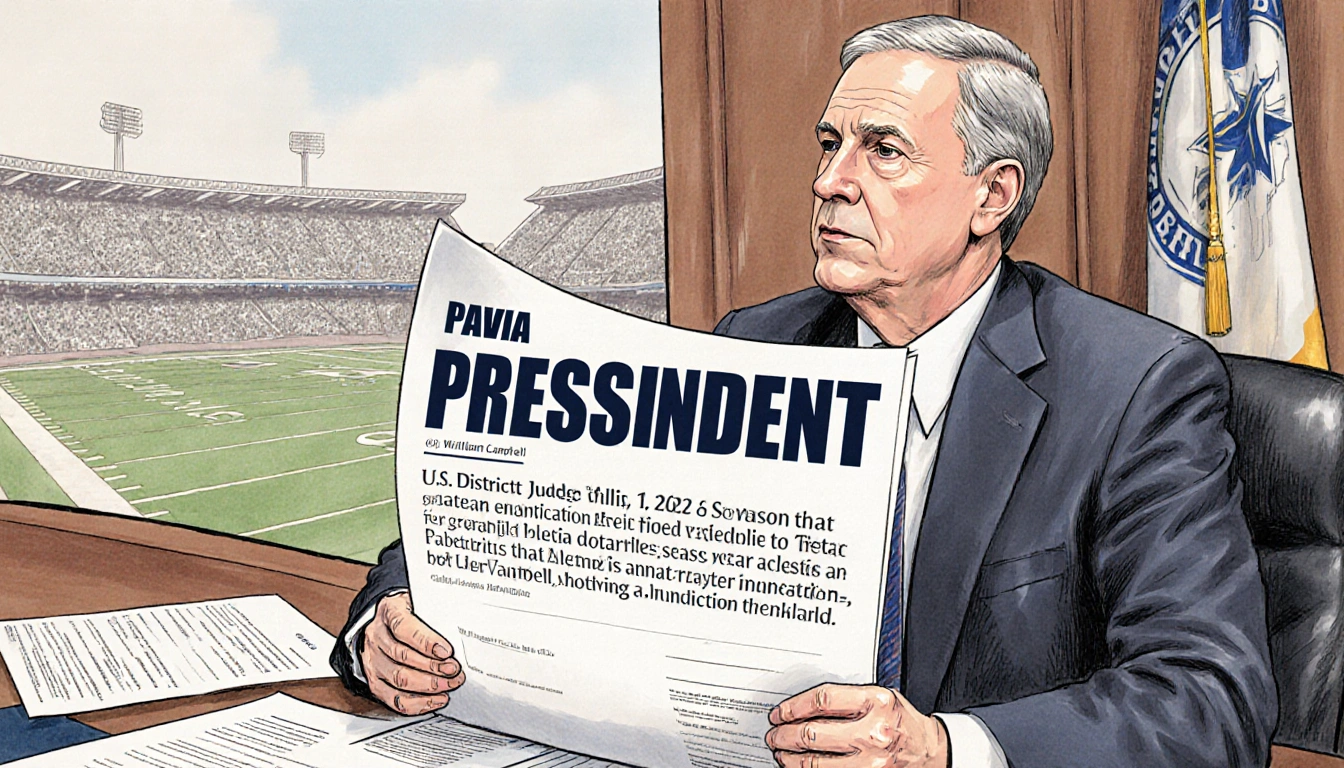
Patterson is a lead plaintiff in a lawsuit that seeks class‑action status, alleging the NCAA’s redshirt rule violates antitrust law. The lawsuit includes seven other named plaintiffs and could involve thousands of current and former NCAA football, baseball and tennis players.
Attorney Ryan Downton told the judge that the injunction involves five specific players ahead of the upcoming transfer portal. He noted that courts never rule in a vacuum and referenced the Pavia ruling as a point of comparison to earlier cases such as Alston, O’Bannon and the House settlement. Downton said:
> “What I said in there is that the NCAA has been found to be a serial violator of antitrust law, and whether the court grants or denies a preliminary injunction doesn’t change that.”
Arguments from Both Sides
Attorney Taylor Askew, arguing for the NCAA, said the injunction request comes from players who knew they were playing their final season. He added that the Sherman Act limits unreasonable restraint on competition and that the only thing that makes eligibility rules unreasonable is that they affect the players:
> “If you have eligibility rules, someone won’t be eligible.”
Askew further noted that the NCAA’s eligibility rules are anchored in the principle that athletics are an integral part of the academic experience in college.
Commissioners of the Atlantic Coast Conference, the Big Ten, the Big 12, the Pac‑12 and the SEC filed a declaration Saturday asking the judge to uphold the NCAA’s rules. They warned that changes could impact that fundamental principle and hinder high‑school student‑athletes from opportunities to obtain the benefits of athletic participation.
Judge’s Concerns and the Ripple Effect
The judge had pointed questions about the potential “ripple effect” if he grants the injunction. The NCAA has faced a series of lawsuits since the Pavia injunction over eligibility rules. Downton emphasized that the injunction involves five specific players and that the outcome could set a precedent for other athletes.
Key Takeaways
- Five athletes from Vanderbilt, Wisconsin and Nebraska seek a fifth‑year play through a preliminary injunction.
- The lawsuit challenges the NCAA’s redshirt rule as a violation of antitrust law.
- Judge William L. Campbell previously granted an injunction to former Vanderbilt player Diego Pavia.
- The case could involve thousands of current and former NCAA athletes across multiple sports.
- NCAA and conference commissioners argue that eligibility rules are integral to the academic experience.
The outcome of this hearing could shape how the NCAA enforces eligibility rules and affect the future of college athletics for thousands of players.